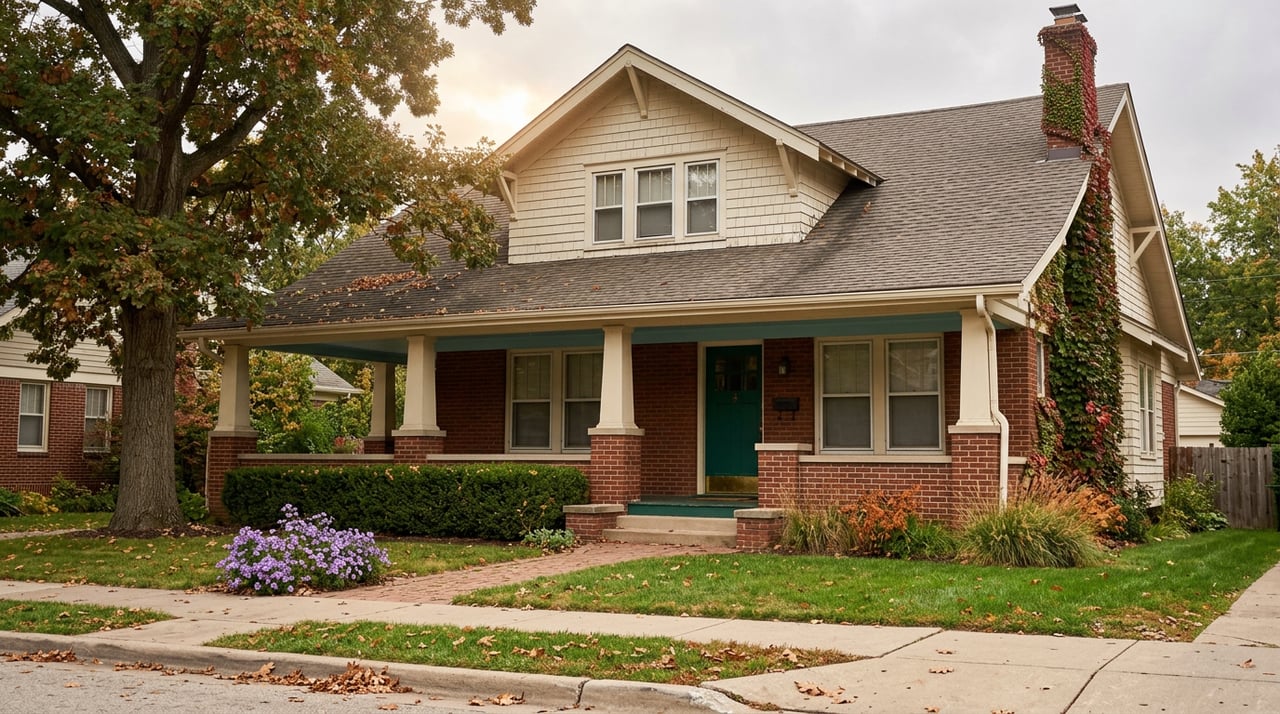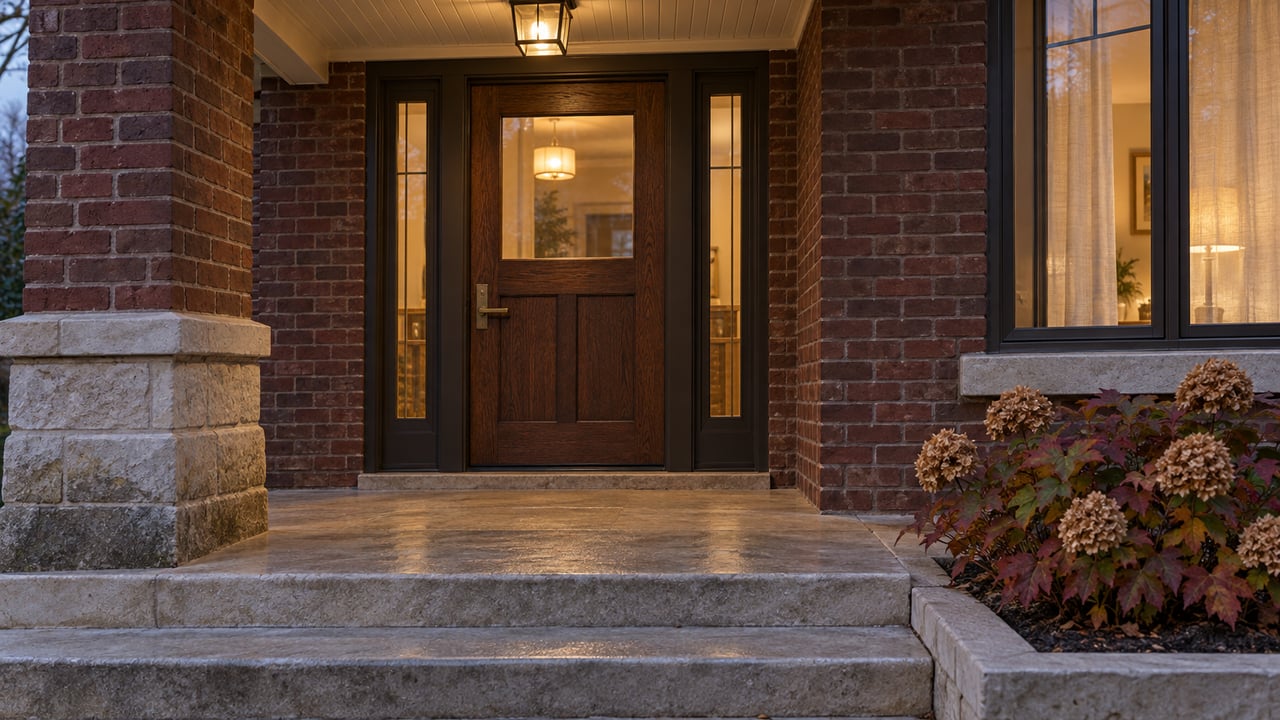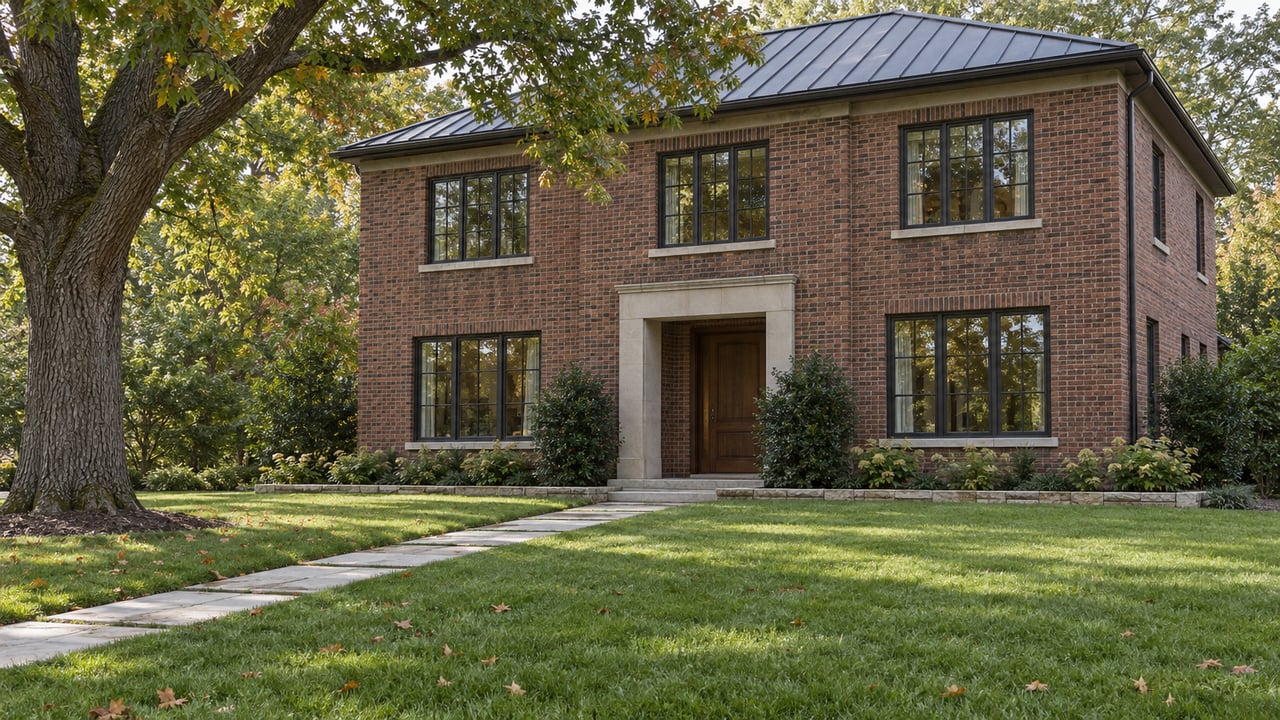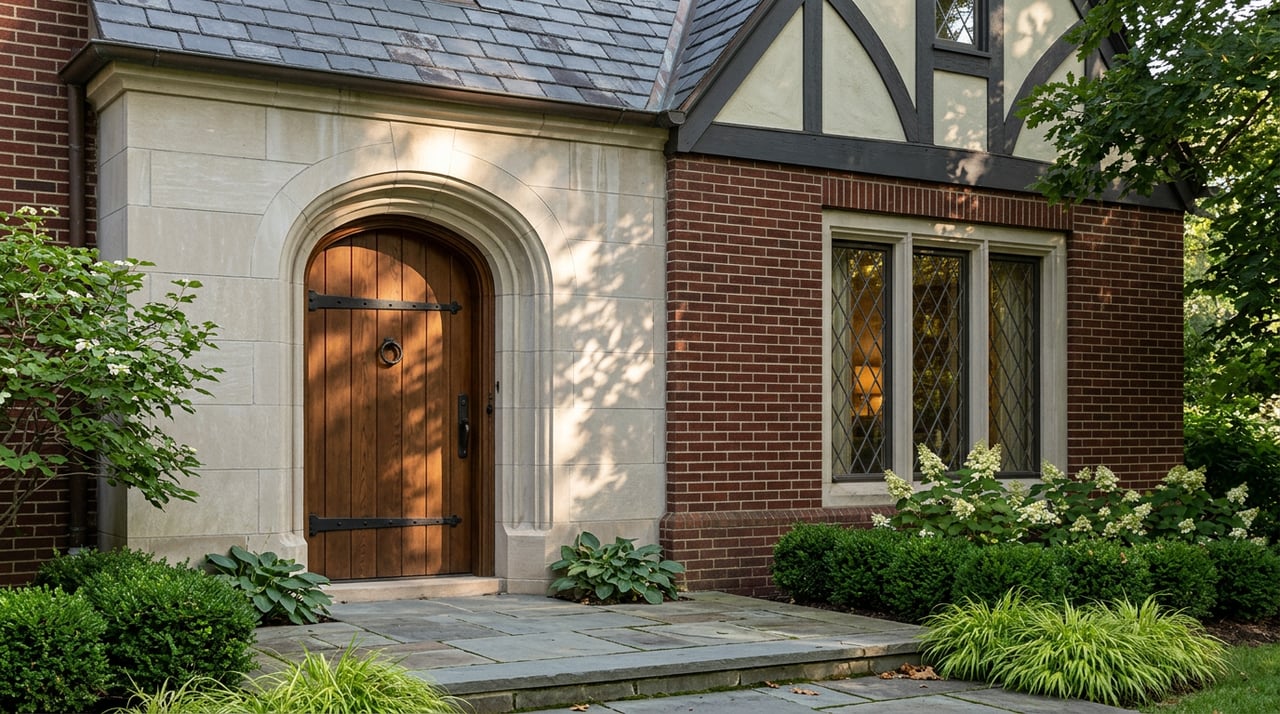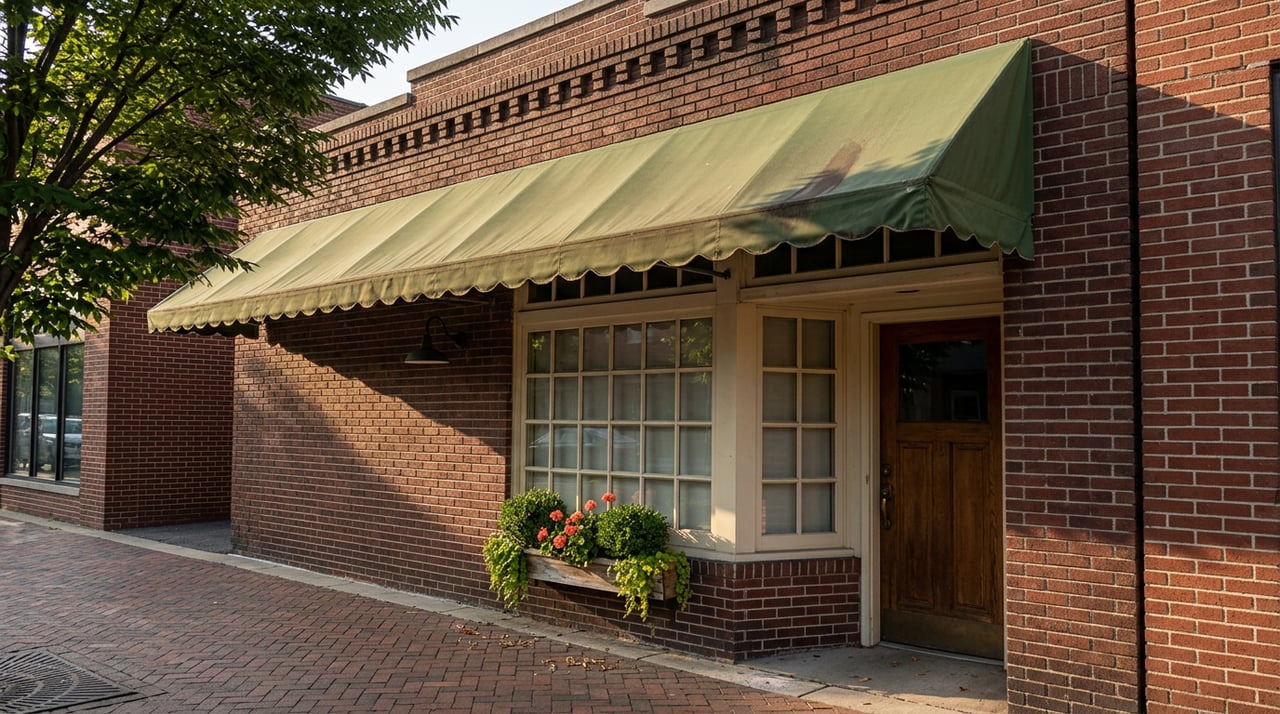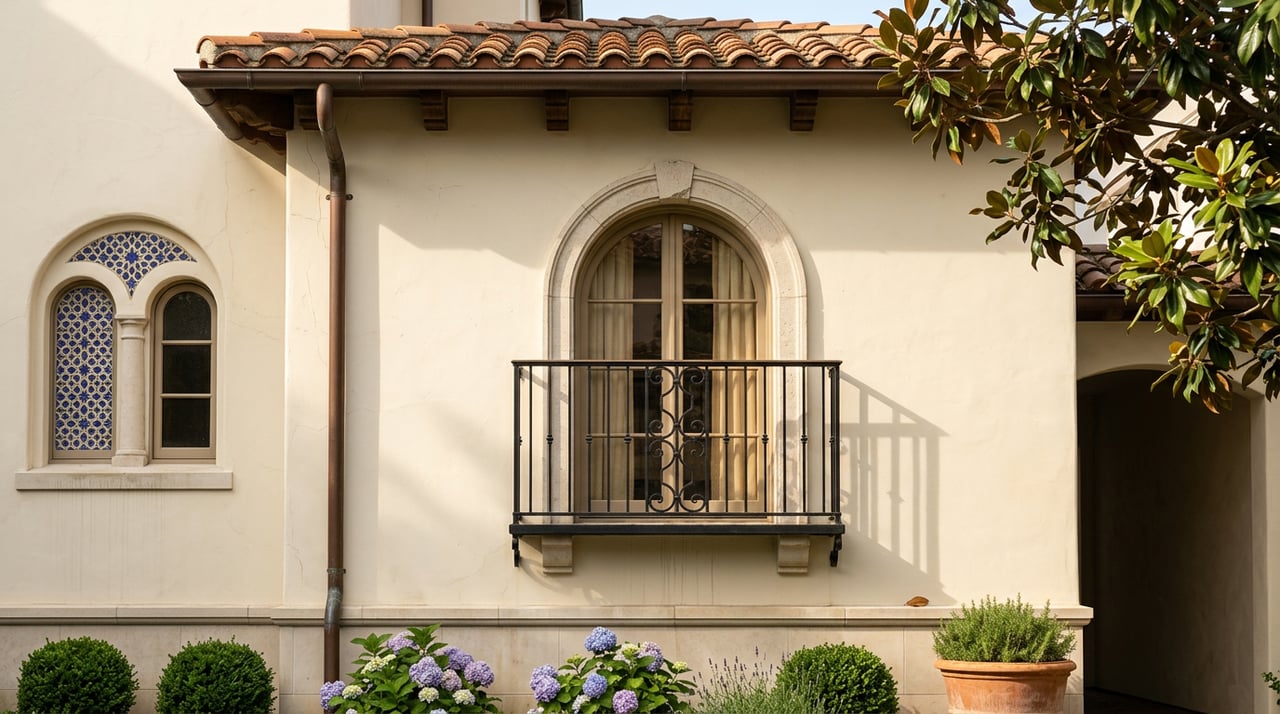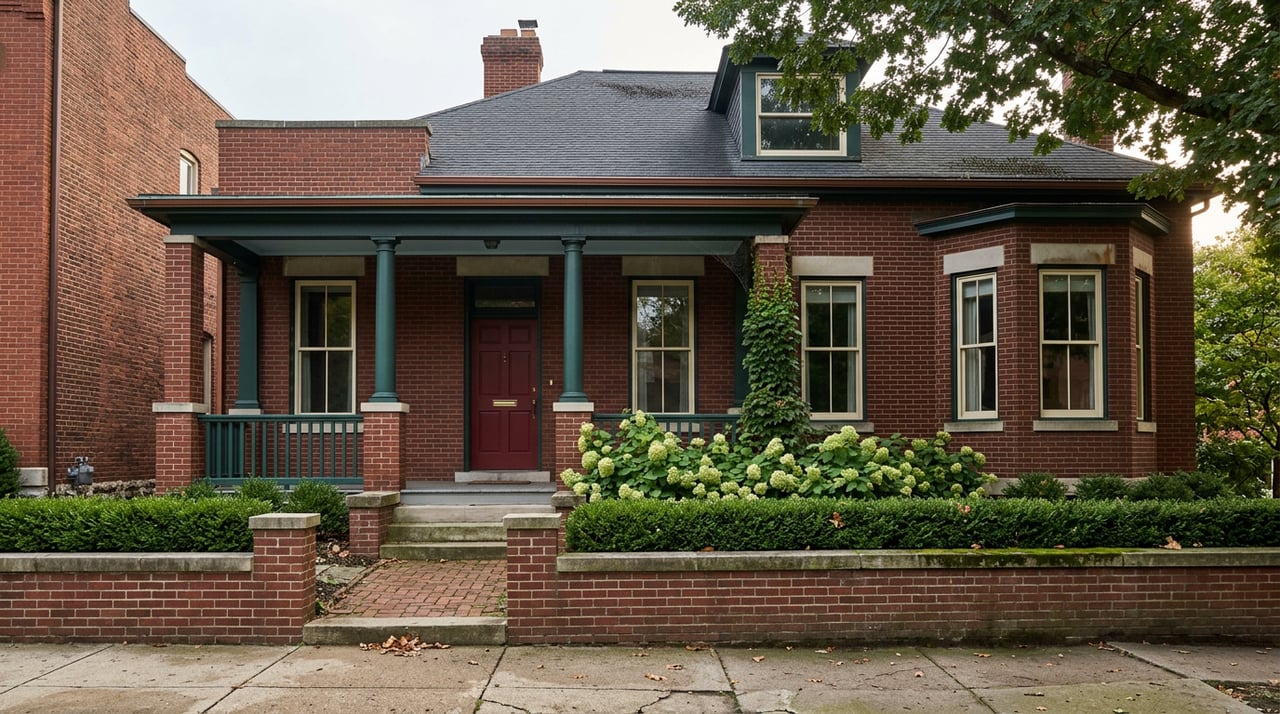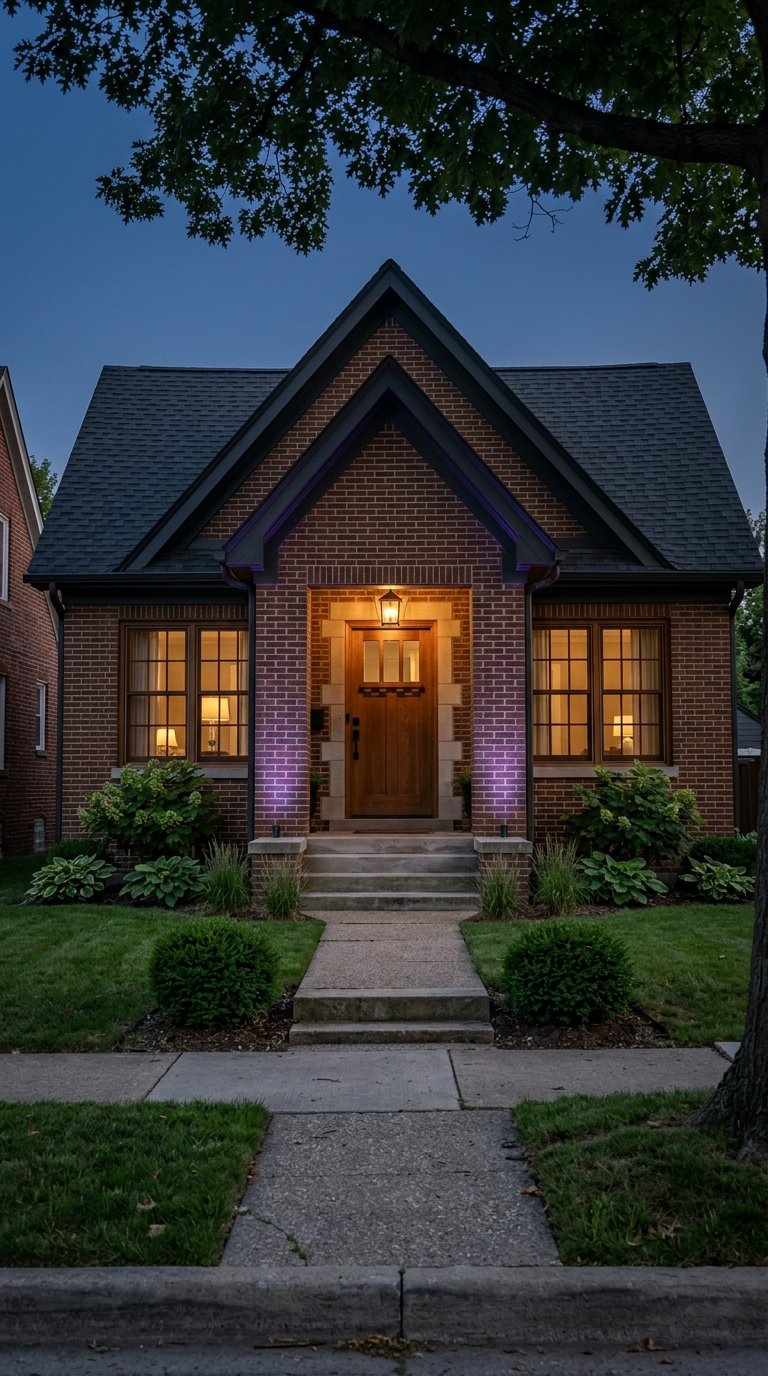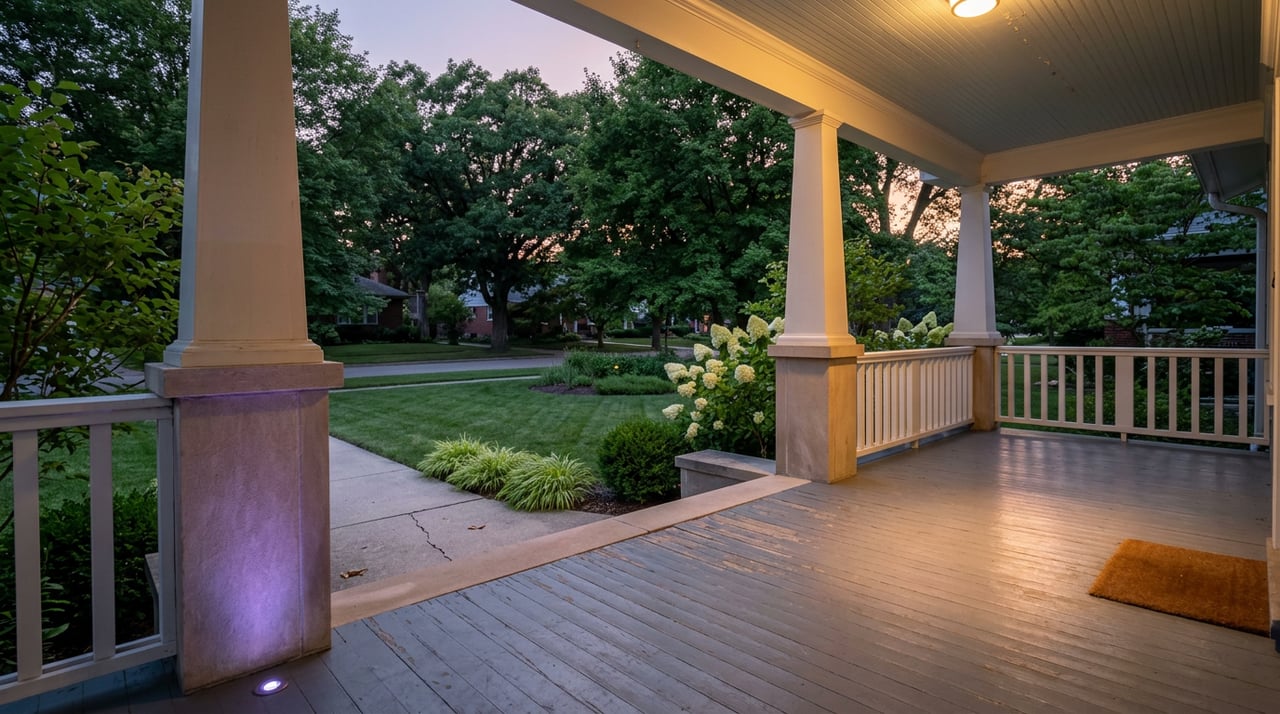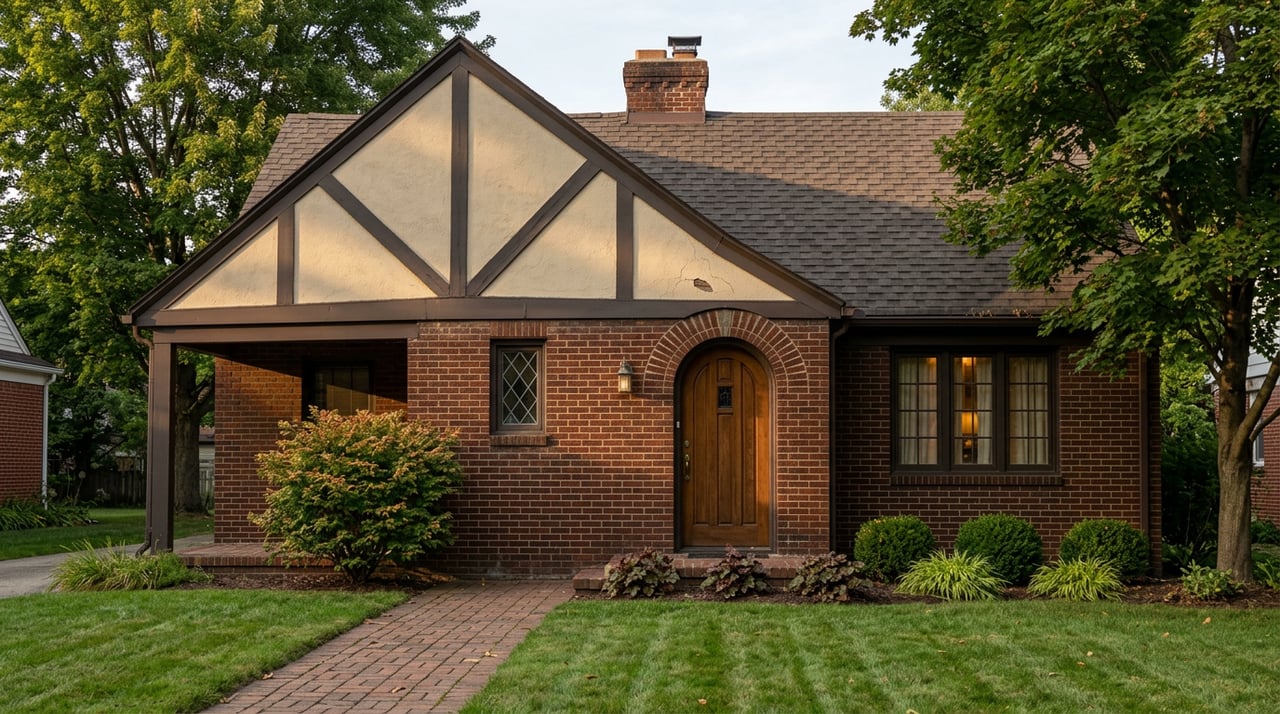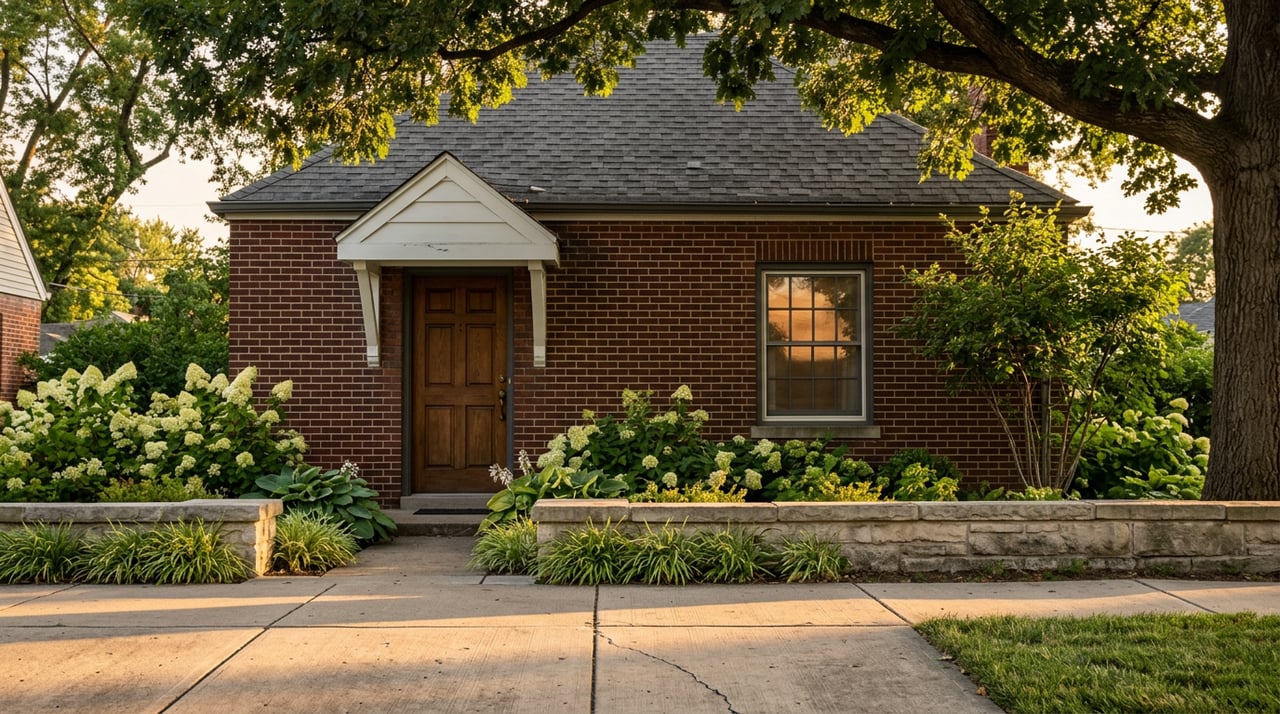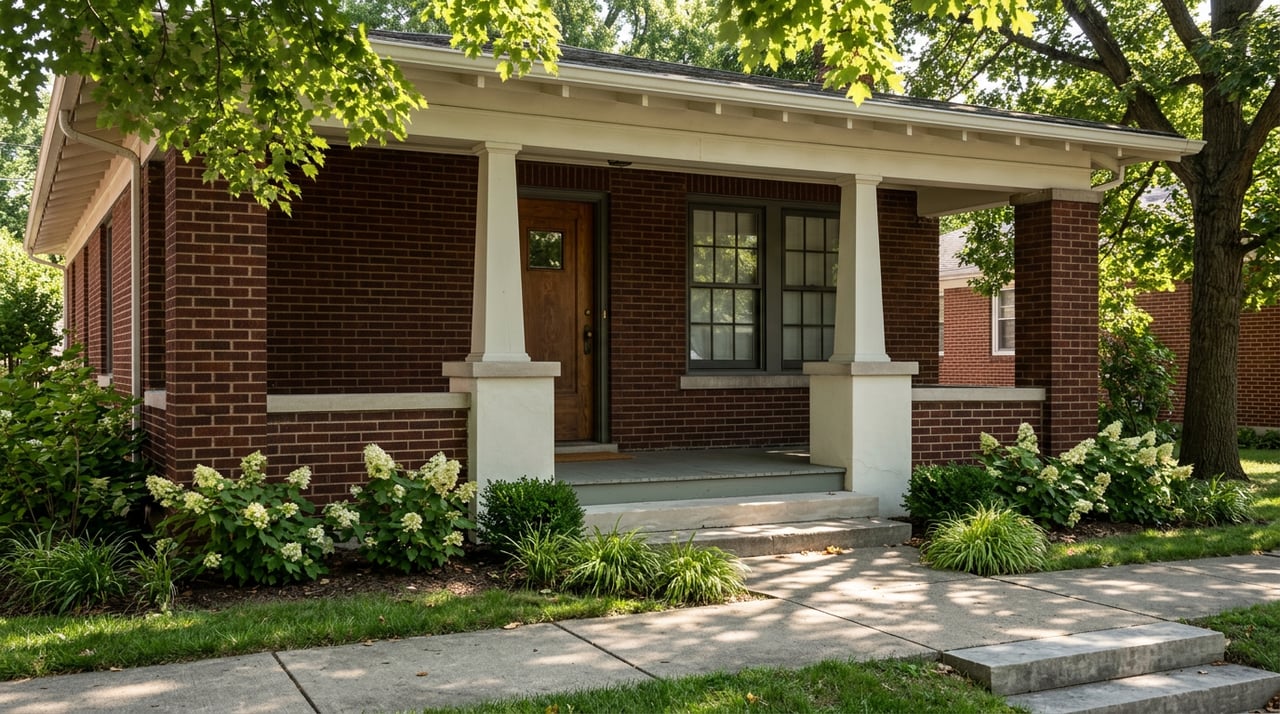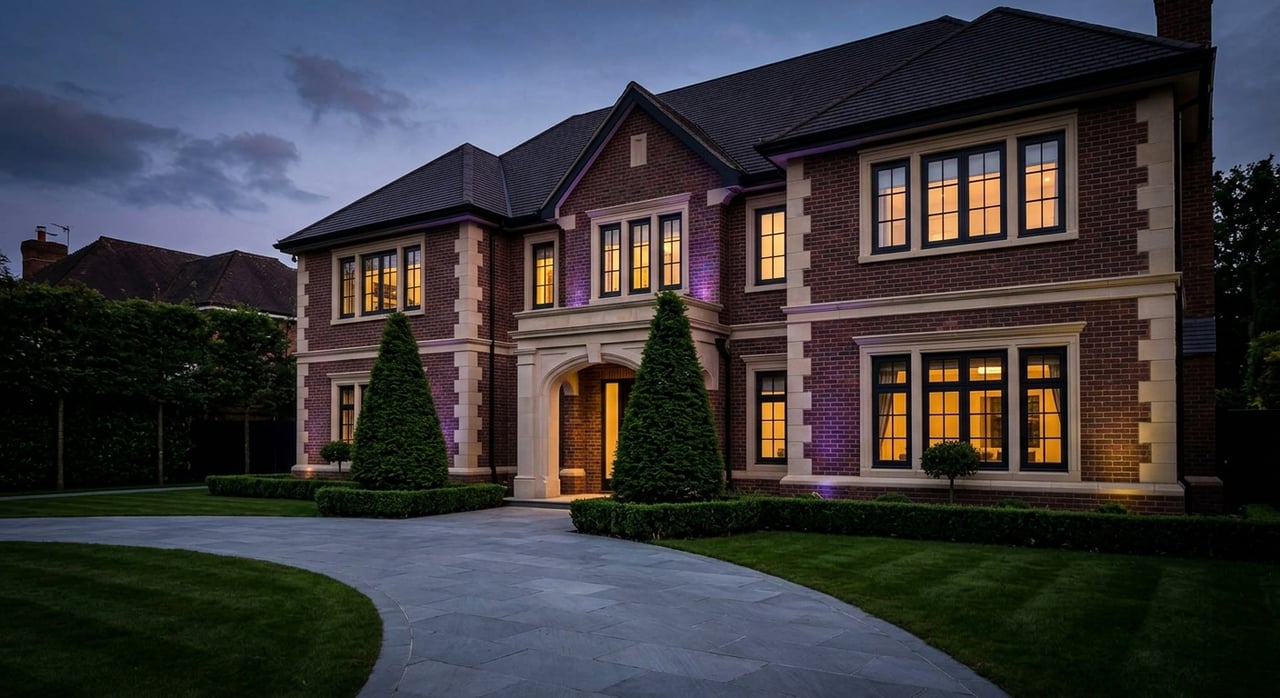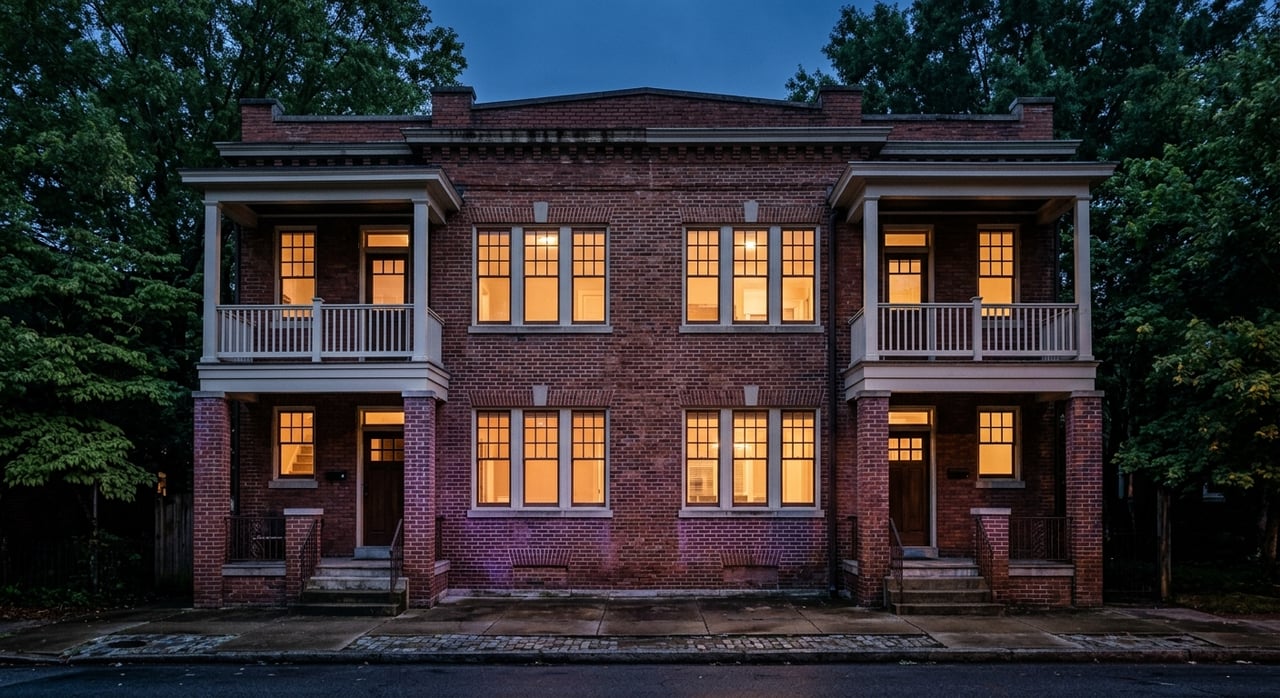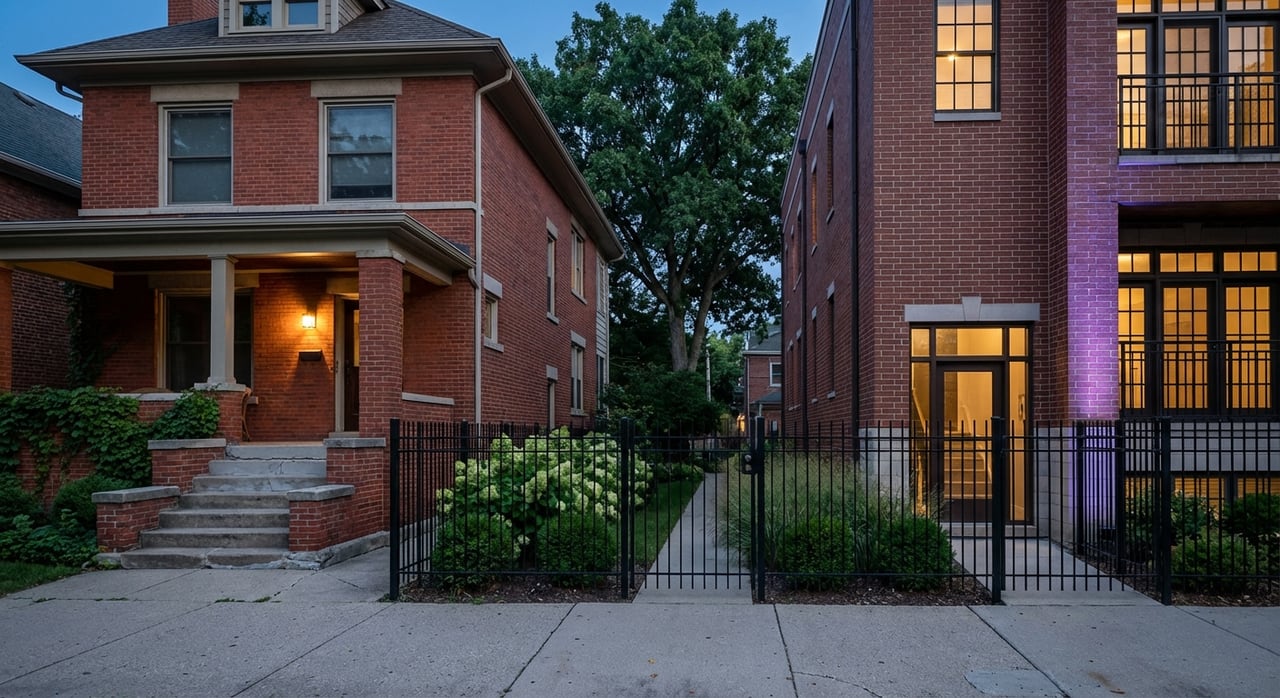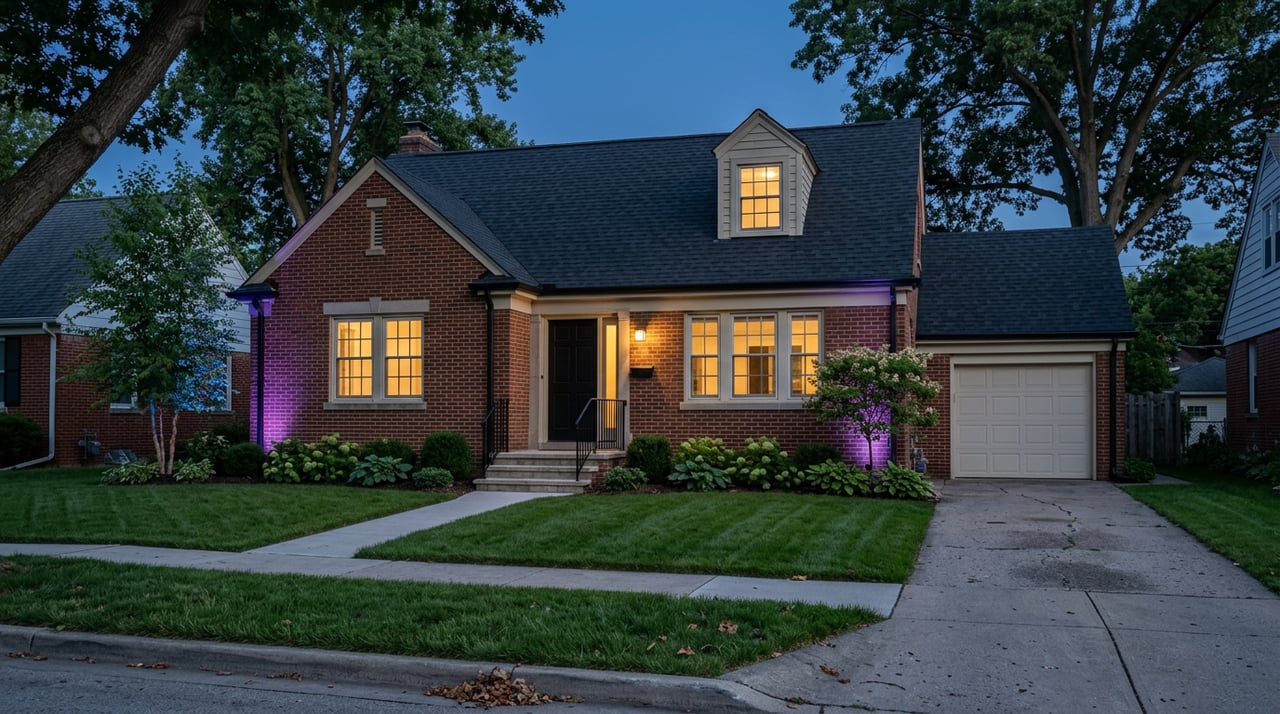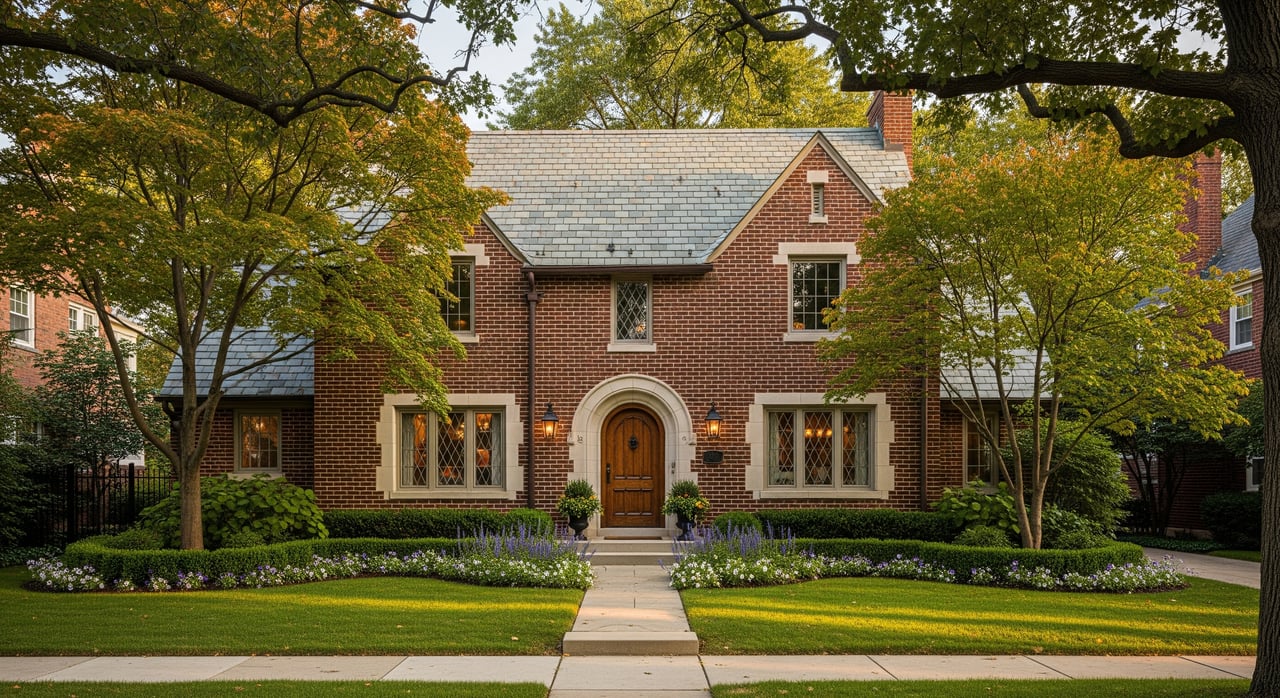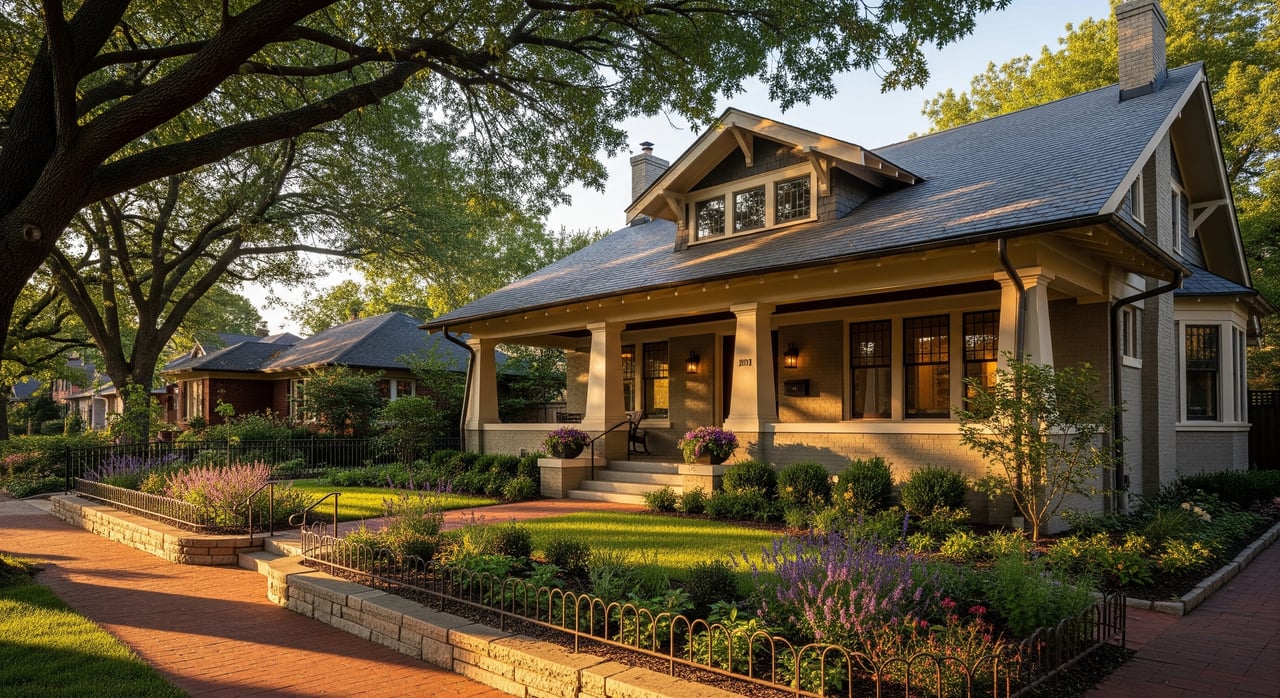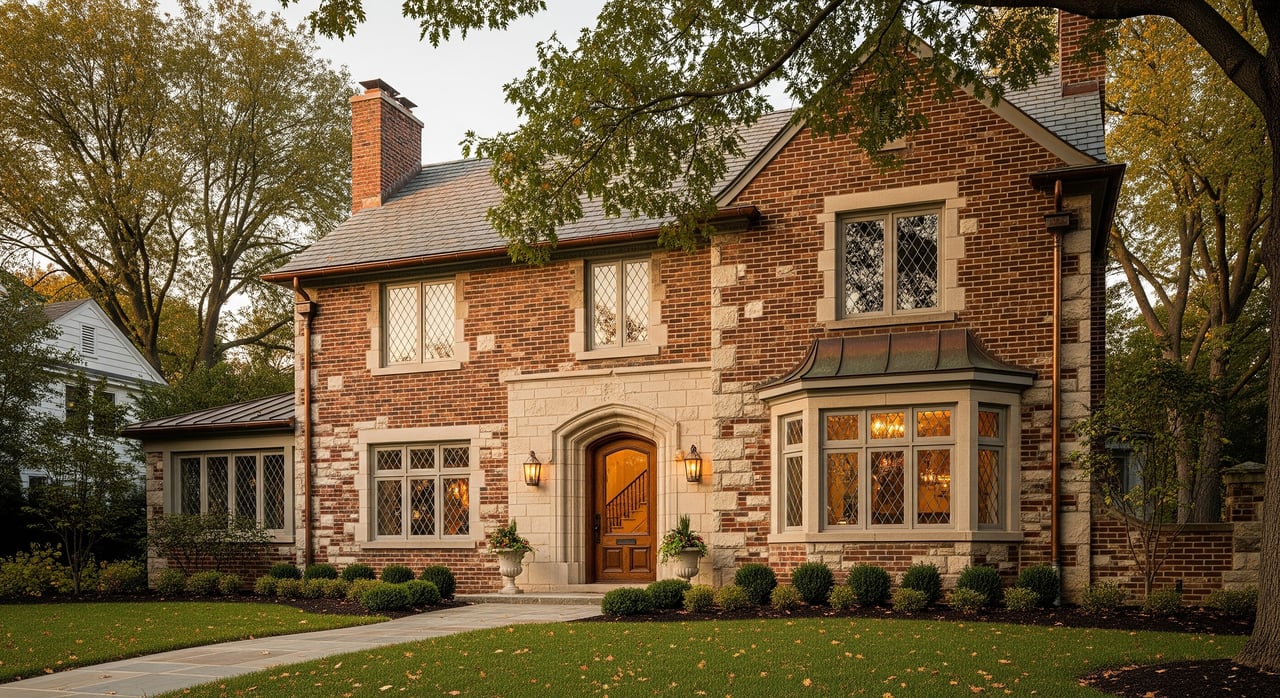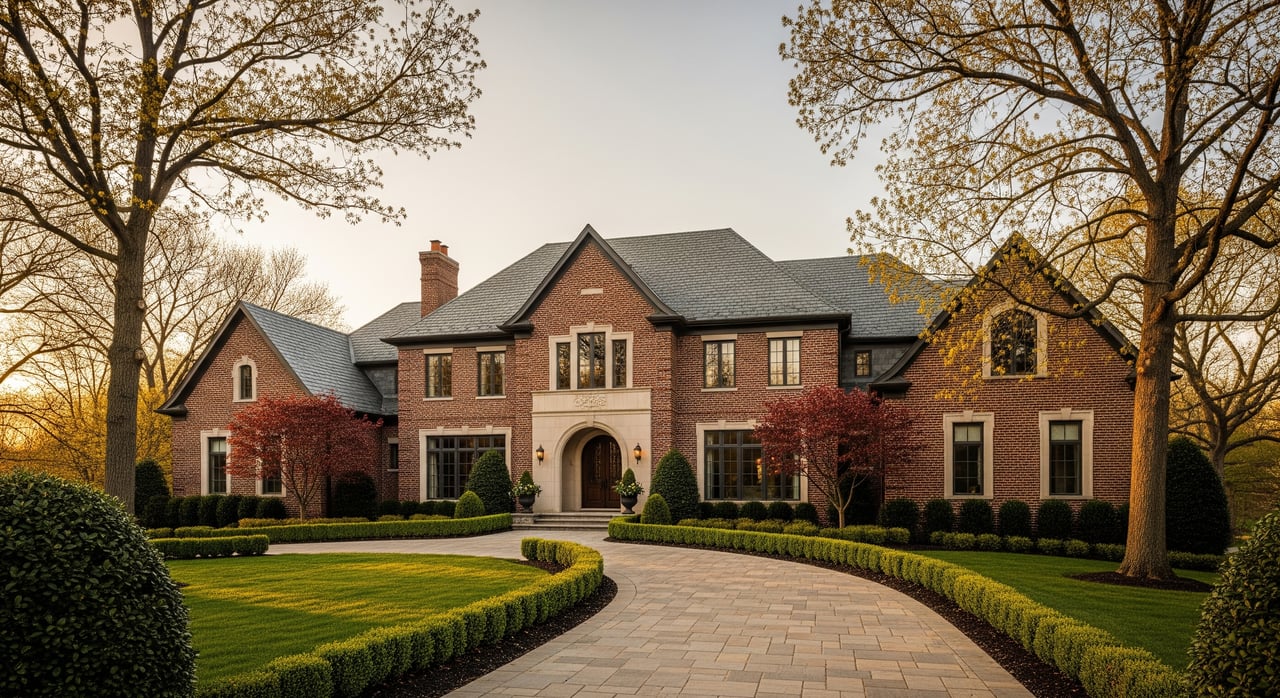
A Mission Hills homeowner on a corner lot wanted to replace the fence along his rear property line. The style was already on the city's preapproved list, a straightforward 6-foot board-on-board design. On a standard interior lot, that would likely have cleared through a fast staff-level sign-off. Instead, because the lot carried a platted 30-foot setback and the new fence extended past it toward the corner, the project needed a formal variance from the Board of Zoning Appeals before the Architectural Review Board would even sign off. A fence swap turned into a multi-step city review.
That case sat on the Mission Hills Architectural Review Board's January 27, 2026 agenda alongside a handful of others, and it illustrates something sellers in this neighborhood learn the hard way: in Mission Hills, the city gets a say in almost everything you do to the outside of your house, and that process runs on its own clock, not yours.
Every Exterior Project Starts With The Same Gate
Mission Hills is one of the only cities in the metro where a resident board reviews cosmetic and structural exterior work before a contractor can pull a permit. According to the city's own building department, all building permit applications for exterior work must go to the Architectural Review Board for approval before the permit can be purchased and the work can begin. The ARB itself is five residents, and the city gives preference to people with backgrounds in design, construction, architecture, engineering, or landscape architecture, though that background isn't a requirement to serve.
That gate applies more broadly than most sellers expect. Based on the city's building permit submission requirements, here's a sample of what triggers review, and what might not:
- Driveways: any new driveway needs ARB approval. Moving or widening an existing one by more than two feet in any direction needs ARB approval too. A straight replacement in the same footprint can sometimes get a faster staff-level sign-off if it meets the design and greenspace guidelines.
- Decks and patios: same pattern. New builds and any expansion past two feet go to the ARB. An exact-footprint replacement can move faster through staff review.
- Fences: a fence up to 6 feet tall, set back at least 15 feet from the front plane of the house, in a preapproved style, can sometimes clear staff review alone. Within 15 feet of the front plane, a fence has to drop to 4 feet or less. Anything taller, off the preapproved list, or complicated by lot geometry (like the corner-lot case above) needs a full ARB hearing, and rear yard fences taller than 7 feet require a separate variance from the Board of Zoning Appeals.
- Metal materials: any new copper or unpainted metal, on a roof, gutter, or elsewhere on the exterior, has to go through the ARB regardless of scale.
- Generators: a generator that's quiet enough, the right color, and properly screened can get staff approval. Anything louder, more visible, or closer to a property line goes to the board.
None of this is unusual for the sake of being difficult. The board's stated purpose, per city code, is to keep structures from becoming detrimental to surrounding property values and to keep new work in line with the neighborhood's Design Guidelines. But purpose aside, the practical effect for a seller is the same: almost nothing you do to the outside of a Mission Hills home happens on a contractor's normal schedule.
The Seven-Week Rule Sellers Don't Budget For
For bigger projects, the timeline gets longer before it even reaches the ARB. Anything the city classifies as Substantial Construction, additions, major renovations, whole-elevation siding replacements, new pools, has to pass through a Professional Review Panel first. That panel is made up of the City Architect, the City Planner, and two consulting architects with backgrounds in residential design and historic preservation.
The rule, straight from the city: the submittal deadline for Substantial Construction is seven weeks before the ARB meeting date, and there's a nonrefundable $2,000 fee due when the project is filed. The Professional Review Panel meeting itself gets scheduled after that official submittal and typically happens before the ARB hearing, which usually lands five to six weeks after submittal. However the math shakes out for a specific project, sellers should plan on five to seven weeks minimum between filing and a decision, and that's before a single shingle comes off the roof or a shovel goes into the ground.
The January agenda gives a sense of what actually moves through this pipeline. One family, the Morgans, proposed multiple additions, new patios and walkways, a new pool, a full siding replacement with western red cedar shingles, and a new standing seam roof section over the front bay window, a genuinely substantial project that would have needed the full Professional Review Panel track. Another family, the Beermans, brought something that sounds cosmetic but still required board review: replacing the siding on all ten of their home's dormers with cedar shake. A third case, the Northrips, proposed a black Davinci multi-width synthetic shake roof, approved without conflicts to the city's Design Guidelines. Three very different scopes of work, and all three sat on the same agenda, subject to the same review structure.
| Project type | Typical review path | Rough timeline |
|---|---|---|
| Driveway/deck replaced in same footprint | Staff-level, if guidelines met | Days to a couple weeks |
| New fence, preapproved style, standard setback | Staff-level or quick ARB item | A few weeks |
| Fence complicated by lot geometry (corner lots, setback conflicts) | ARB plus possible BZA variance | Several weeks to a couple months |
| Substantial construction (additions, full siding, pools) | Professional Review Panel, then ARB | Five to seven-plus weeks before a decision |
Why This Matters More In A Market That's Already Cooling
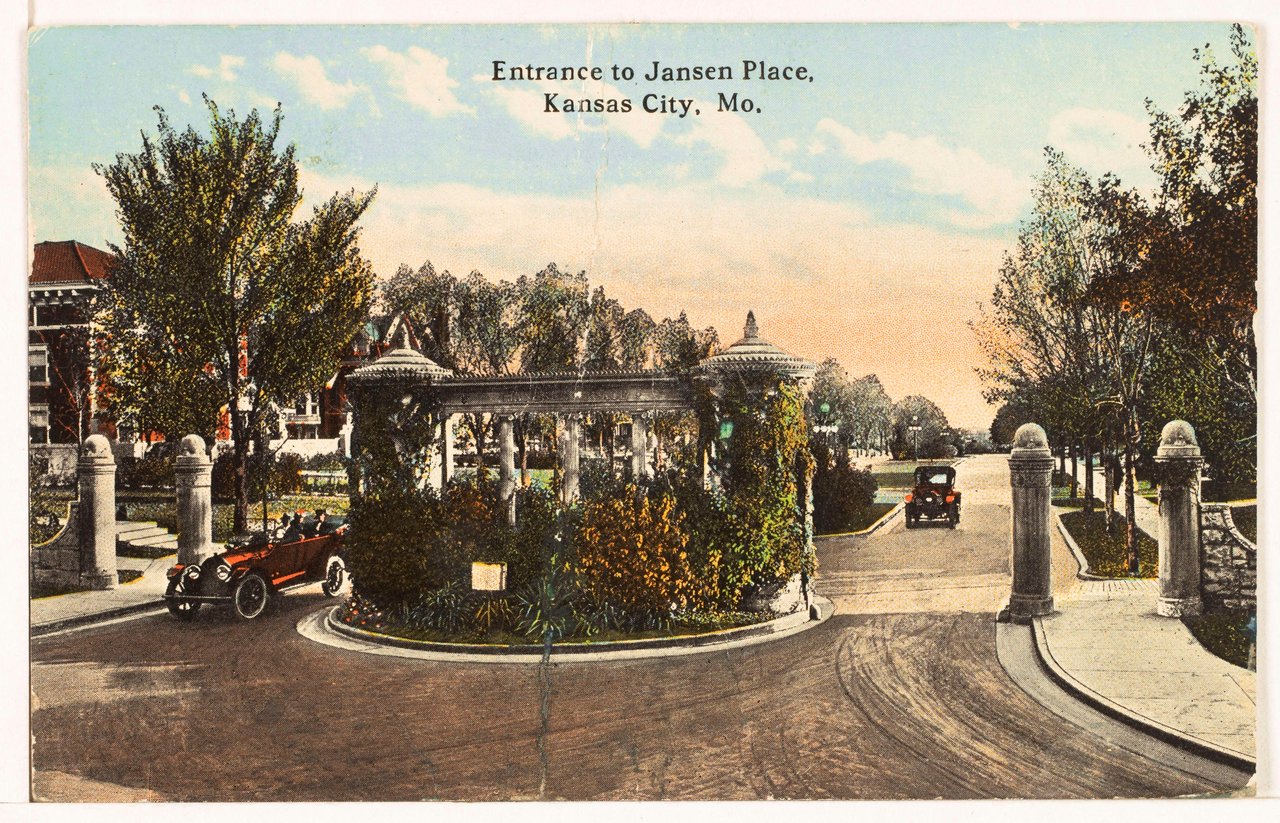
Mission Hills doesn't get new construction. The neighborhood was platted by J.C. Nichols in 1912 and is fully built out, which means every listing is an existing home competing on condition, not novelty. As of August 2026, the median list price for a Mission Hills home sat at roughly $1.79 million, down about 10 percent from a year earlier, while median price per square foot held close to $418, essentially flat compared to the same month last year. That's a softer market than sellers here have seen in a while, and it's a small one to begin with, with active inventory typically running in the dozens rather than the hundreds at any given time.
In a market like that, presentation carries more weight, not less. A seller who wants a refreshed fence, updated siding, or a new deck before listing photos go out can't treat that work as a weekend project squeezed in before a June listing date. If the plan requires full ARB review, and the seller doesn't file until April, the approval alone may not land until late May, with construction still ahead of that. Miss the window and the choice becomes listing without the improvement or pushing the timeline into a slower season, neither of which helps in a market that's already showing signs of buyer hesitation.
The Permit Sellers Forget: The Estate Sale Itself
There's one more approval that catches people off guard, and it has nothing to do with construction. Mission Hills requires a permit for any garage sale, moving sale, or estate sale conducted in the city, which matters because estate sales are common ahead of a Mission Hills listing, especially when a sale follows a downsize or a death in the family. The permit itself is inexpensive, $25 with seven days' notice or $50 for less than seven days' notice, but it's one more form on a checklist that sellers moving quickly can easily miss.
What This Means If You're Planning To List
The practical takeaway isn't that Mission Hills makes selling harder. It's that the sequence matters. Before signing a contractor's bid for anything visible from the street, it's worth checking whether the project can be done in the exact existing footprint, which often qualifies for the faster staff-level path, or whether it's a Substantial Construction project that needs the full Professional Review Panel and ARB timeline built into the calendar from day one. A seller who confirms the review track before signing a contract avoids the version of this story where a routine fence swap turns into a two-month delay discovered halfway through spring.
FAQ
Does interior renovation need Architectural Review Board approval in Mission Hills? No. The ARB's authority covers exterior work, structures, and anything visible from the street or affecting the property's exterior character. Interior remodeling doesn't go through this process.
Can I skip the ARB if I'm just replacing something in the same footprint? Sometimes. Driveways, decks, and patios replaced in their exact existing size, shape, and location can qualify for faster staff-level approval instead of a full ARB hearing, as long as they meet the city's setback and greenspace guidelines.
What if my project needs a variance, like the fence case on a corner lot? Variances add a separate step through the Board of Zoning Appeals, which reviews whether the original ARB decision was reasonable based on the evidence already presented. That step happens after the ARB, not instead of it, and it adds real time to the process.
If you're weighing a pre-listing project in Mission Hills, or trying to figure out whether it's worth the timeline at all, the team at LIVIN KC has walked other sellers through this exact sequence and can help you map a realistic calendar before you commit to a contractor. Reach out for a home valuation and a straight answer on what your specific project actually requires.