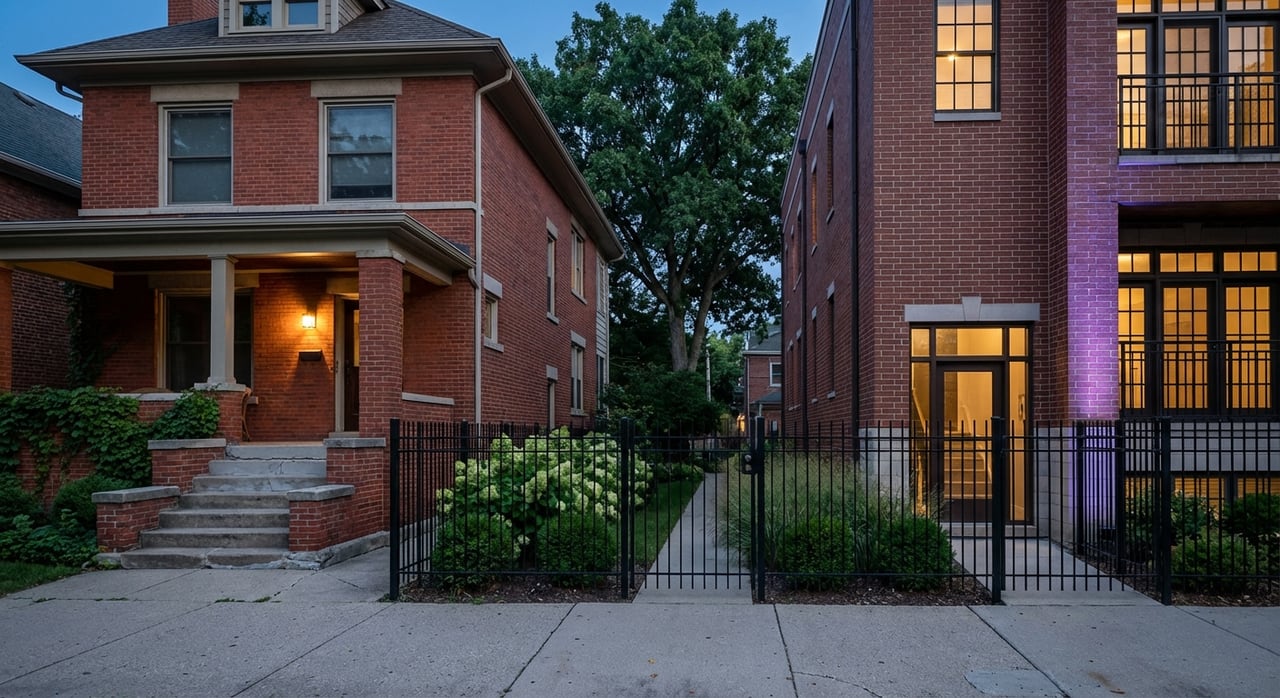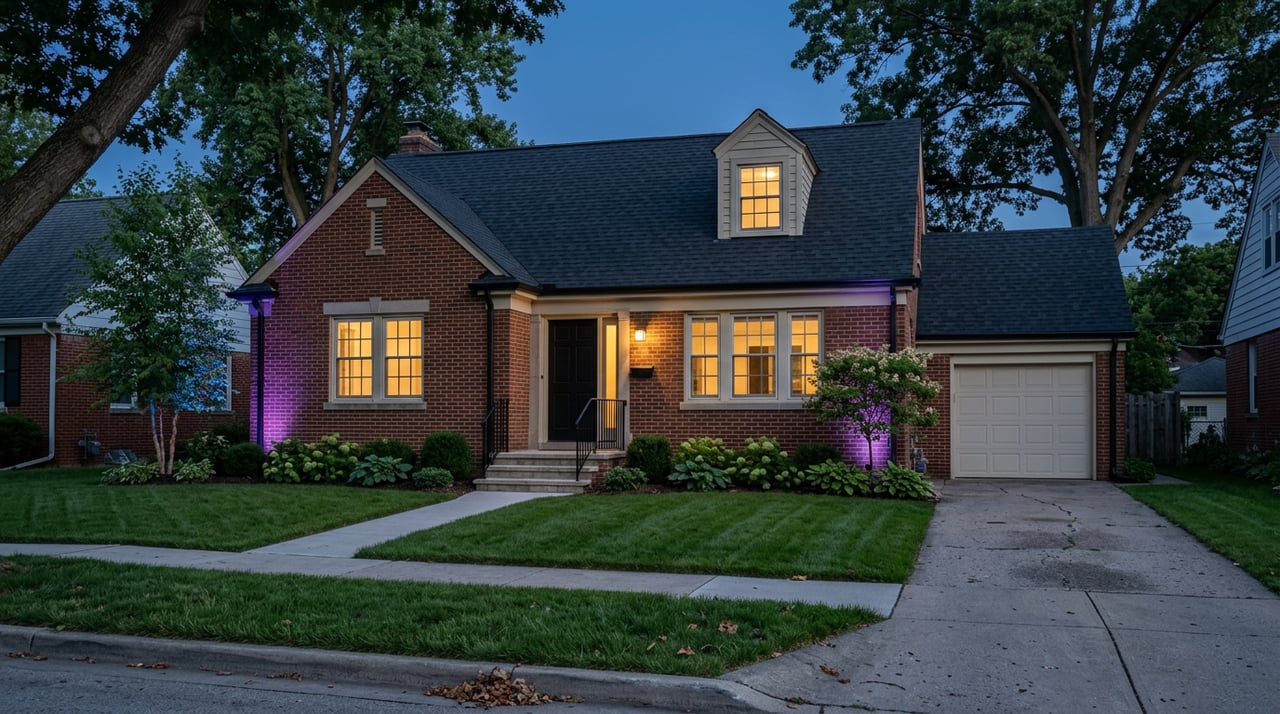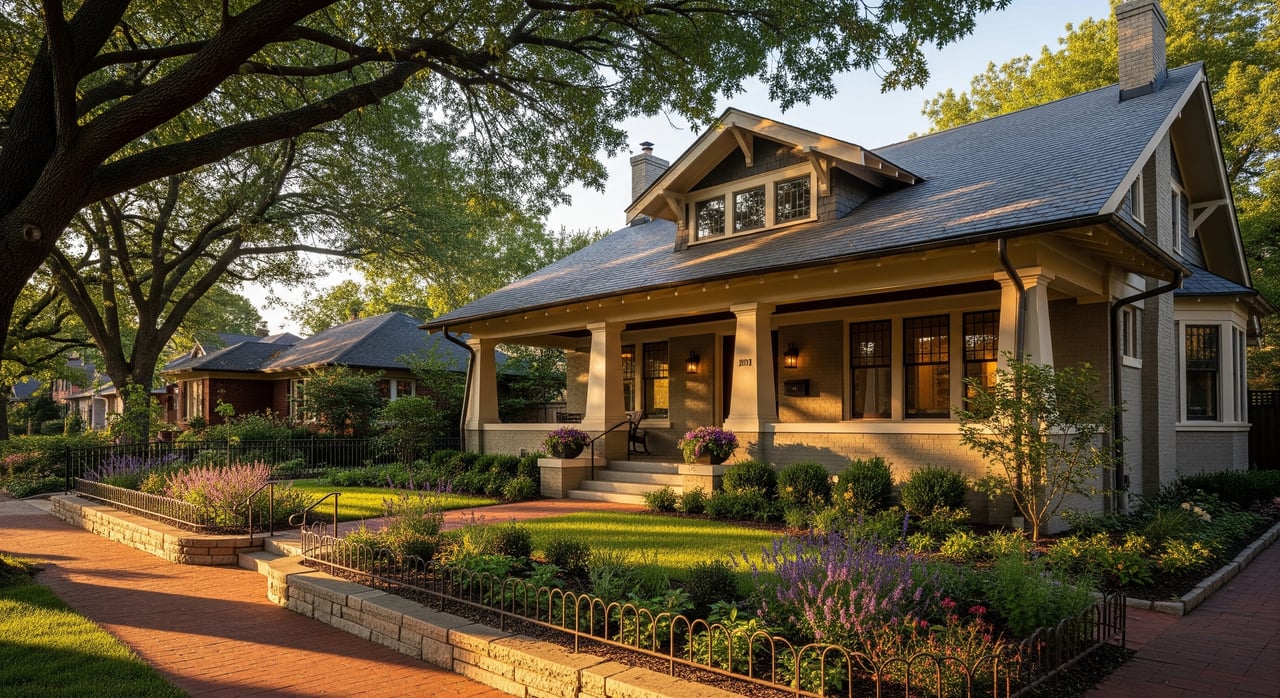
Pull up four different real estate portals on a Mission Hills search and you will get four different answers about what a home here costs. Redfin put the November 2025 median sale at roughly $1.7 million, then showed the January 2026 figure closer to $1.06 million. Zillow's ZHVI landed near $1.54 million as of January 31, 2026. Homes.com, looking at a full trailing year, reported a 52-sale sample with an average list around $2.1 million. Movoto, in June 2026, showed a $1.6 million median list at $417 per square foot.
Those are not four bad numbers. They are four correct numbers describing a market too small for any one of them to mean much on its own.
In a neighborhood that closes roughly one sale per week across a 2.02-square-mile footprint, a single Tudor on a large lot can move the monthly median by several hundred thousand dollars. Buyers who anchor to the portal figure end up either priced out of houses they could afford or overpaying for houses they misread.
That is the mechanism worth understanding before you tour a single home.
The sample size problem, in plain math
Homes.com counted 52 sales in Mission Hills over the twelve months ending mid-2026. Redfin's data showed ten closings in November 2025, up from nine the year prior. Pending inventory in early 2026 sat at seven listings with a median list of $1.65 million.
A metro-wide market smooths those numbers out. Mission Hills does not. When three of the ten November sales happen to be renovated estates on Ensley or Overhill and the other seven are updated mid-century ranches on smaller lots, the median jumps. When the mix flips the following month, the median drops. Nothing about the underlying market changed. The sample did.
This is why Zillow's ZHVI, which is a modeled typical-value index rather than a monthly sold median, will often print higher than the raw Redfin median in the same window. ZHVI is trying to answer a different question. Reading the two as if they were competing estimates of the same thing is where buyers and sellers get into trouble.
What each dollar tier actually buys
Because Mission Hills is fully built out and architecturally diverse, price bands here map to house type and condition more cleanly than they do to square footage. Rough ranges as of mid-2026:
| Budget | What tends to be available |
|---|---|
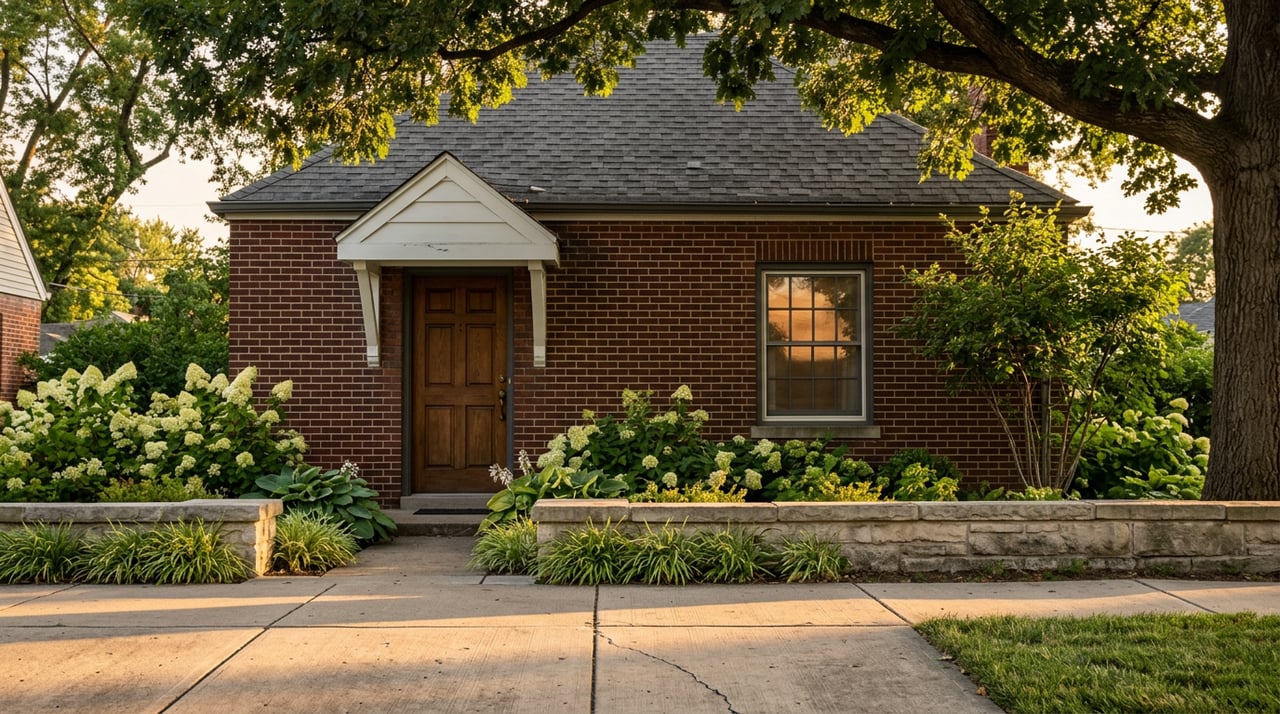
| $900K–$1.3M | Updated mid-century ranches on standard lots, or smaller historic-era homes needing selective renovation |
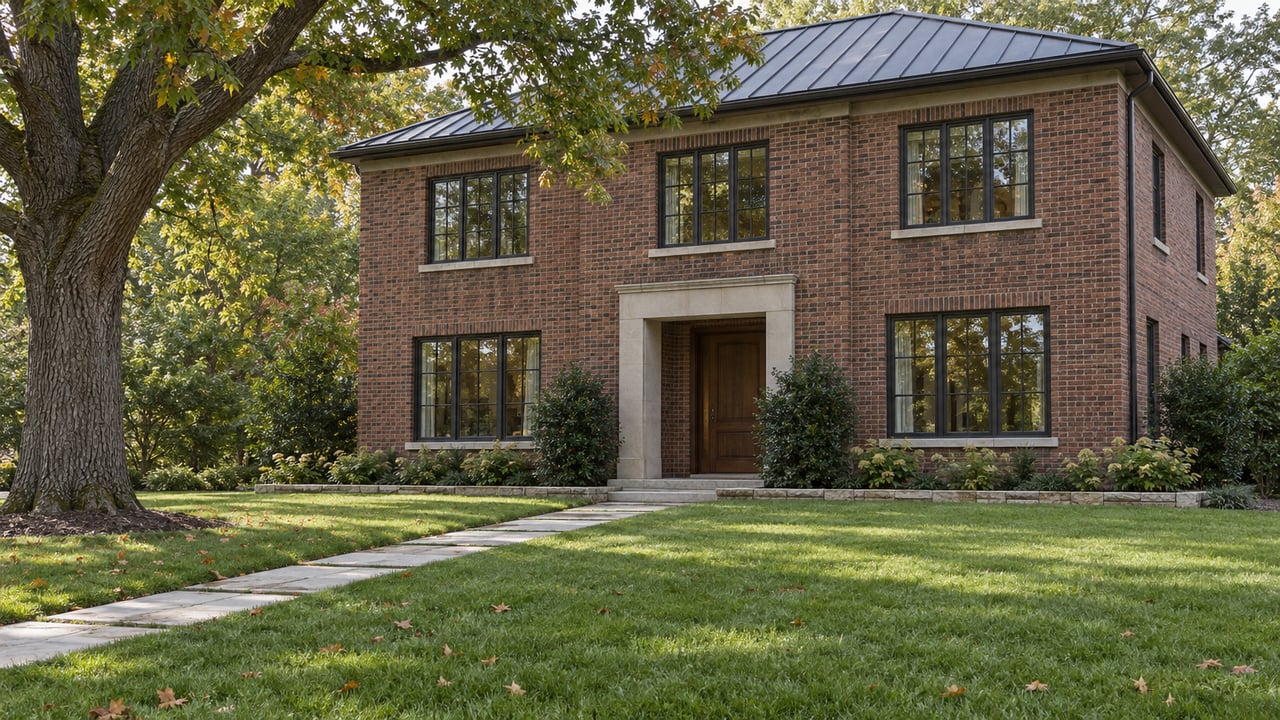
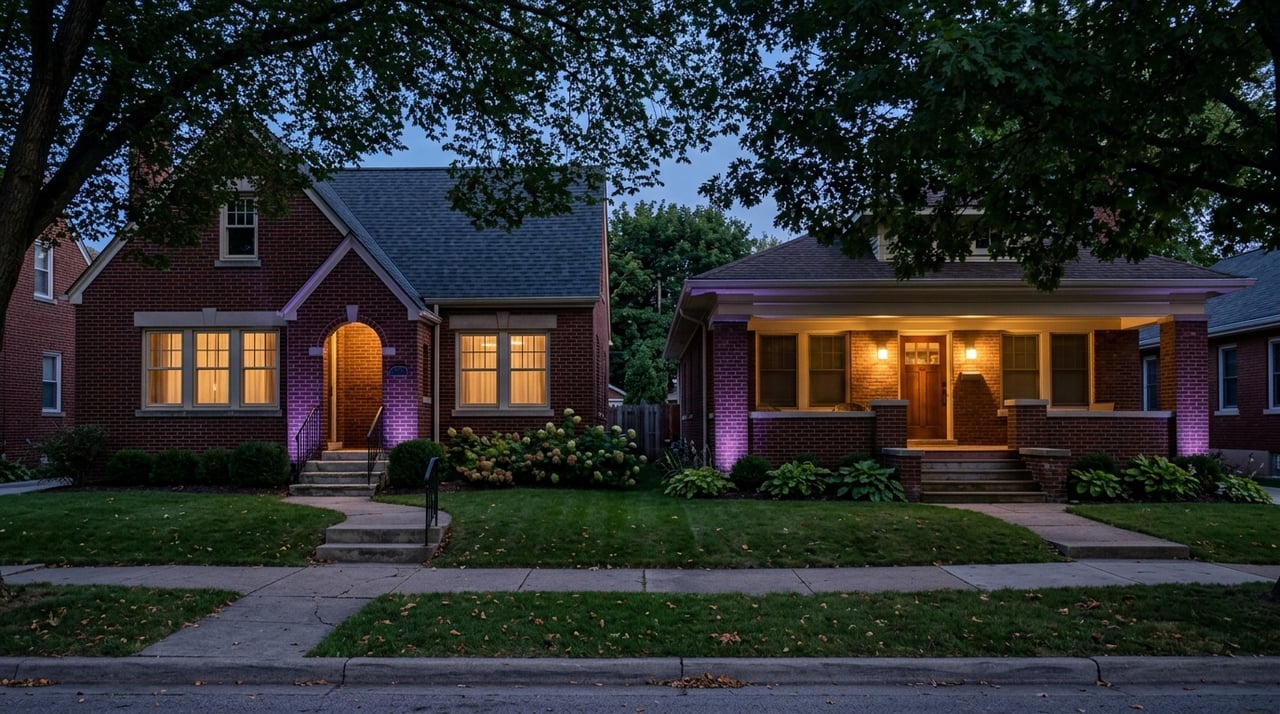
| $1.3M–$2M | Restored Tudors, Colonials, and Georgians on interior streets; larger ranches with recent kitchen and system updates |
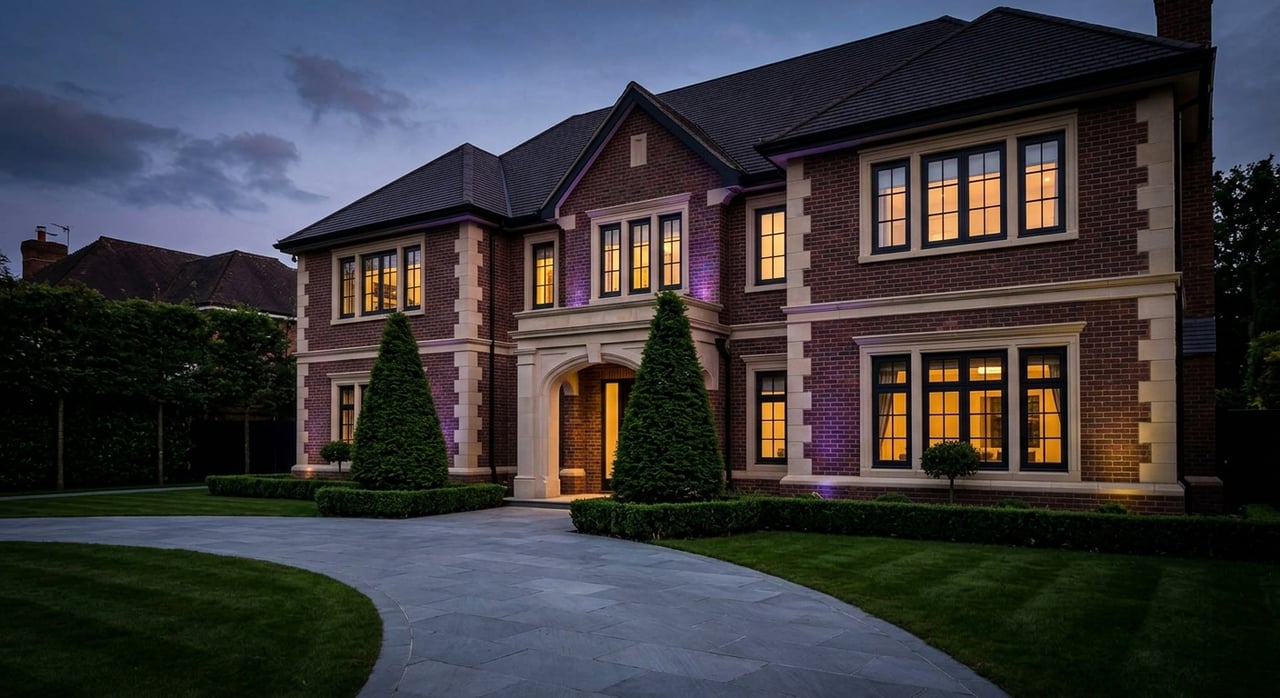
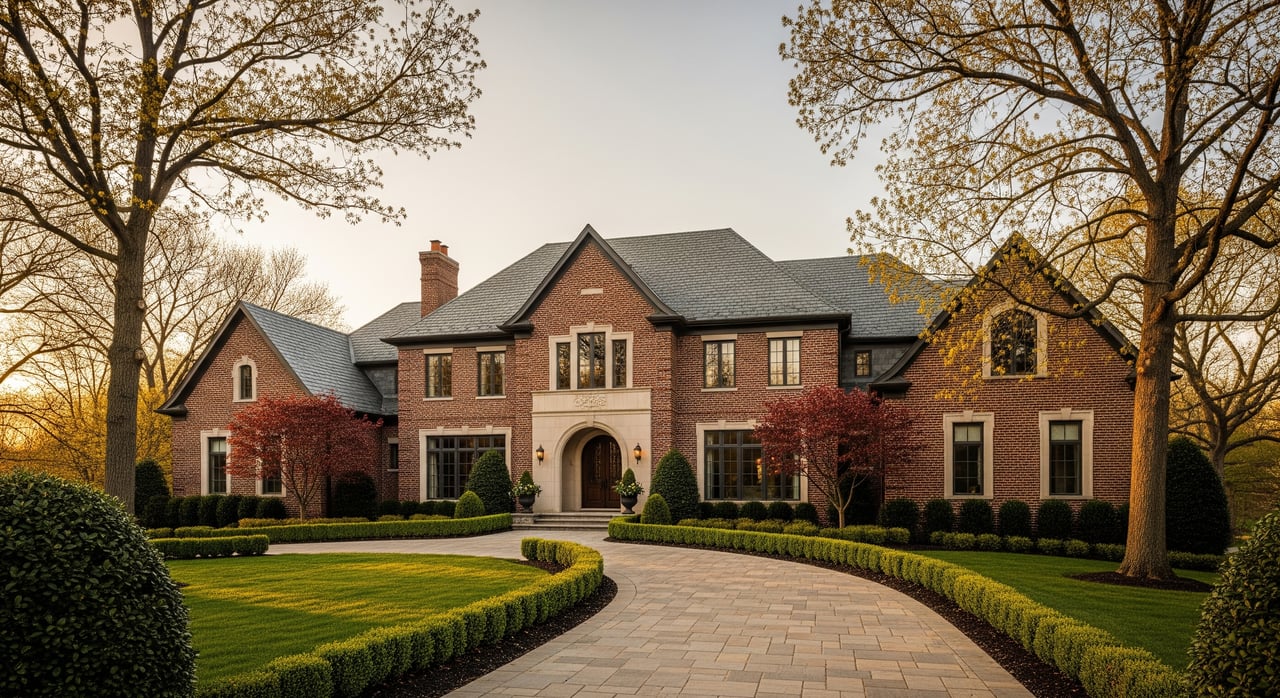
| $2M–$3.5M | Estate-scale lots, architectural pedigree (Edward Tanner–designed properties, Sagamore Hills addresses), fully renovated top-to-bottom |
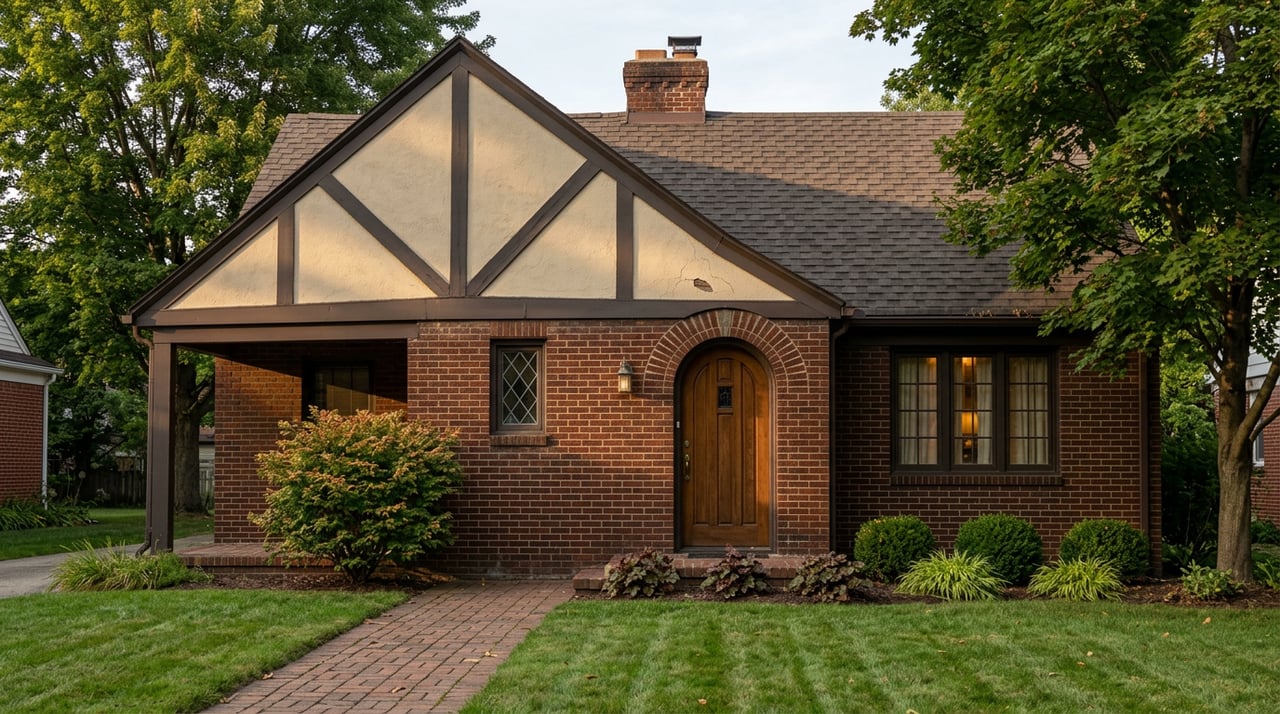
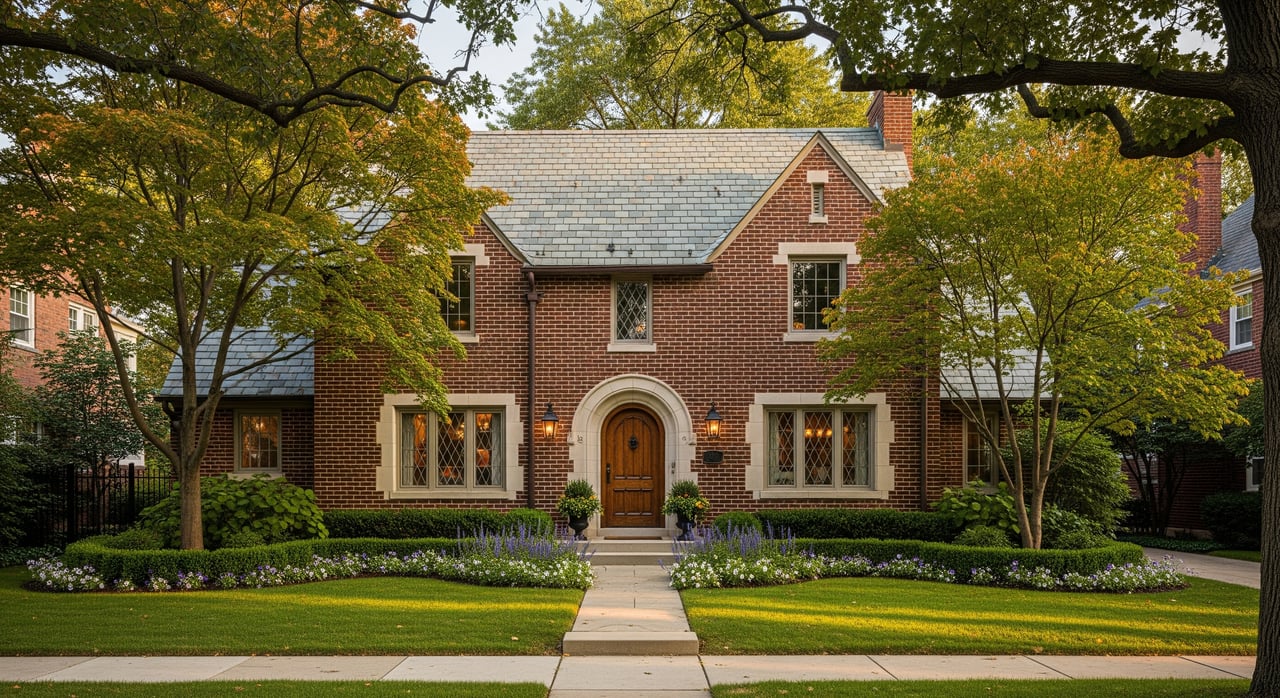
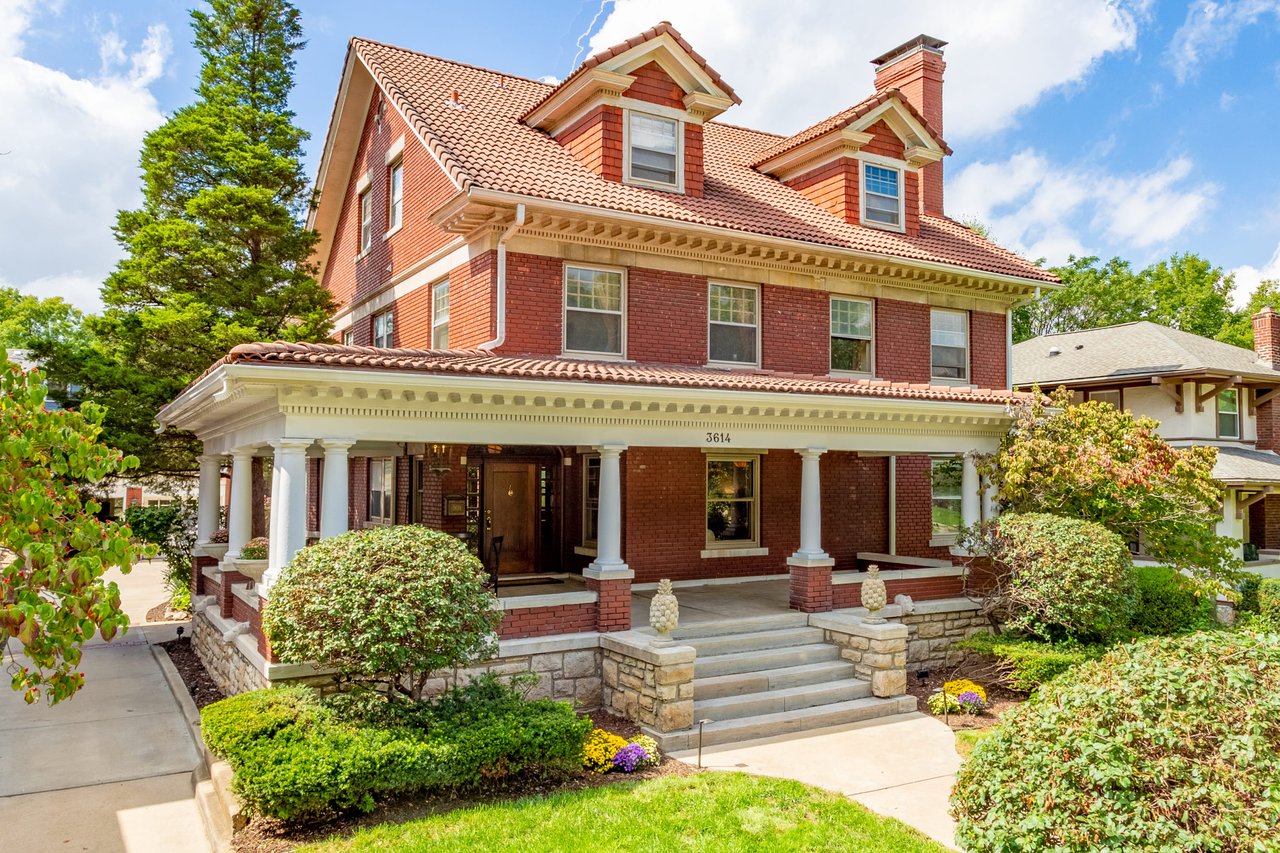
| $3.5M+ | Marquee streets, half-acre-plus grounds, comprehensive renovations that preserve original fabric. The recently offered Spencer House, a 1927 Tanner-designed Tudor Revival, sits in this tier |
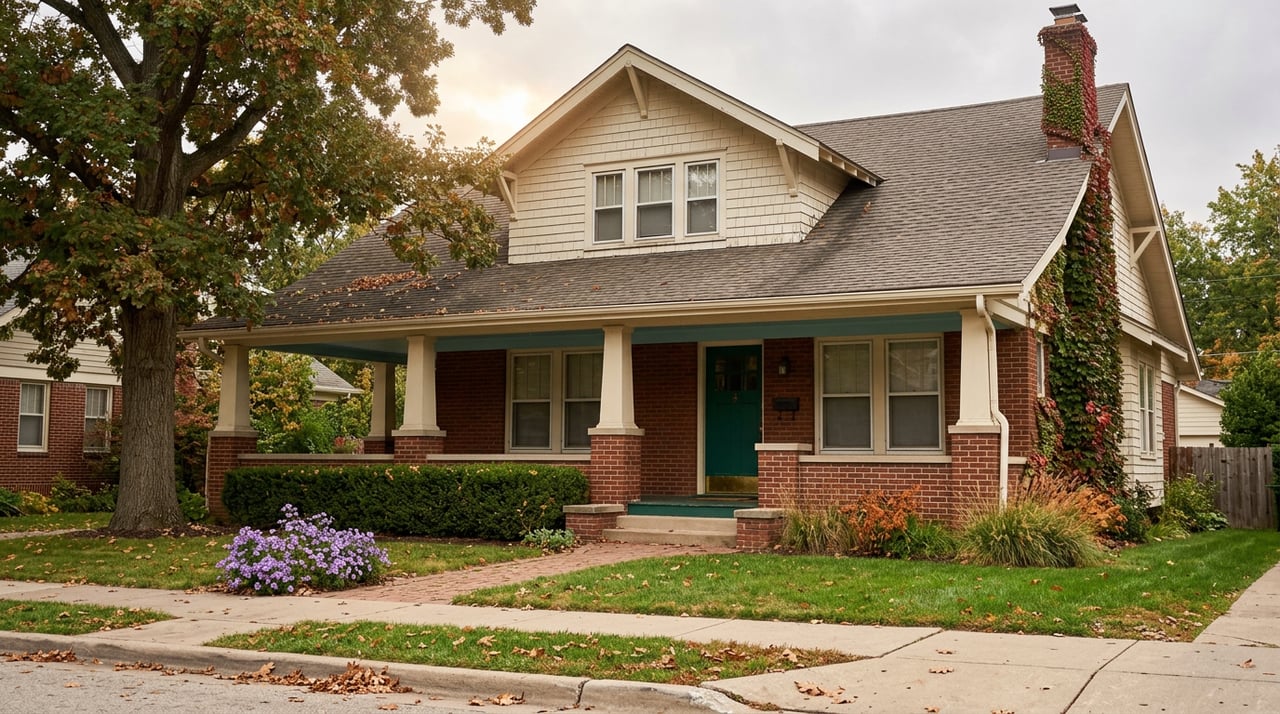
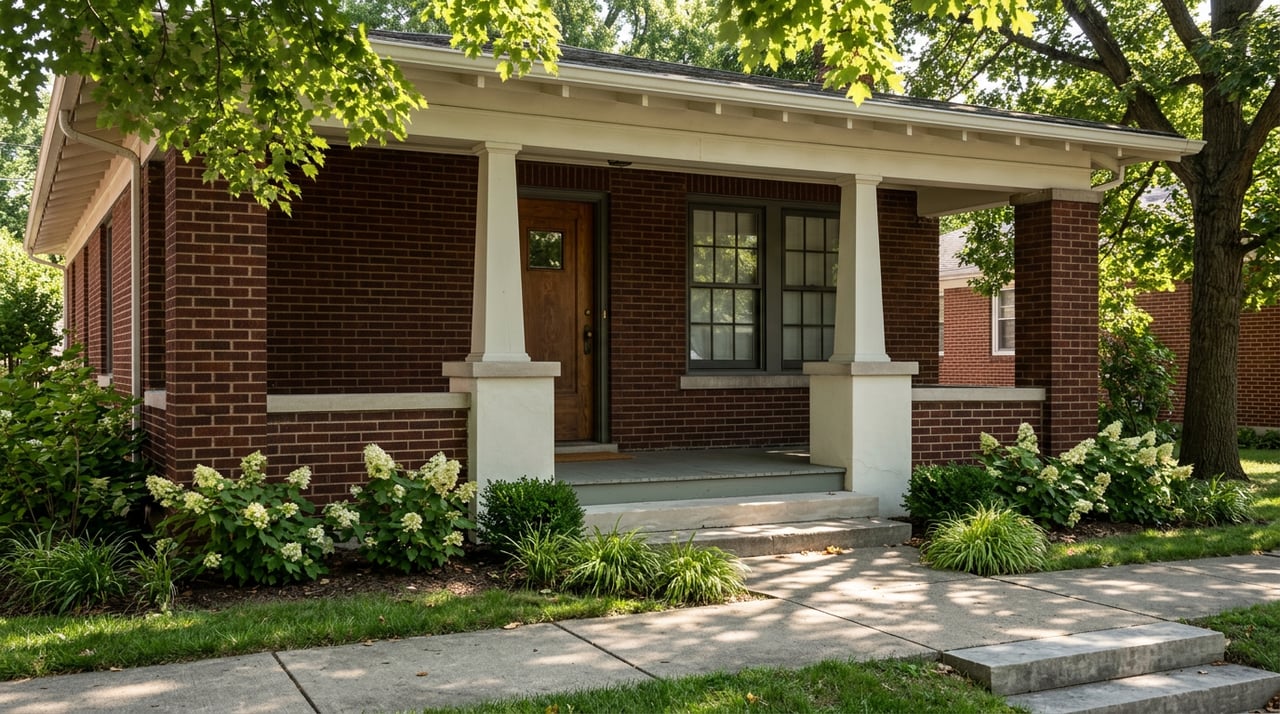
The gap between a $1.1 million ranch and a $1.4 million restored Tudor is not usually square footage. It is architectural period, lot orientation, and how sensitively the last renovation was done.
The premium the median hides
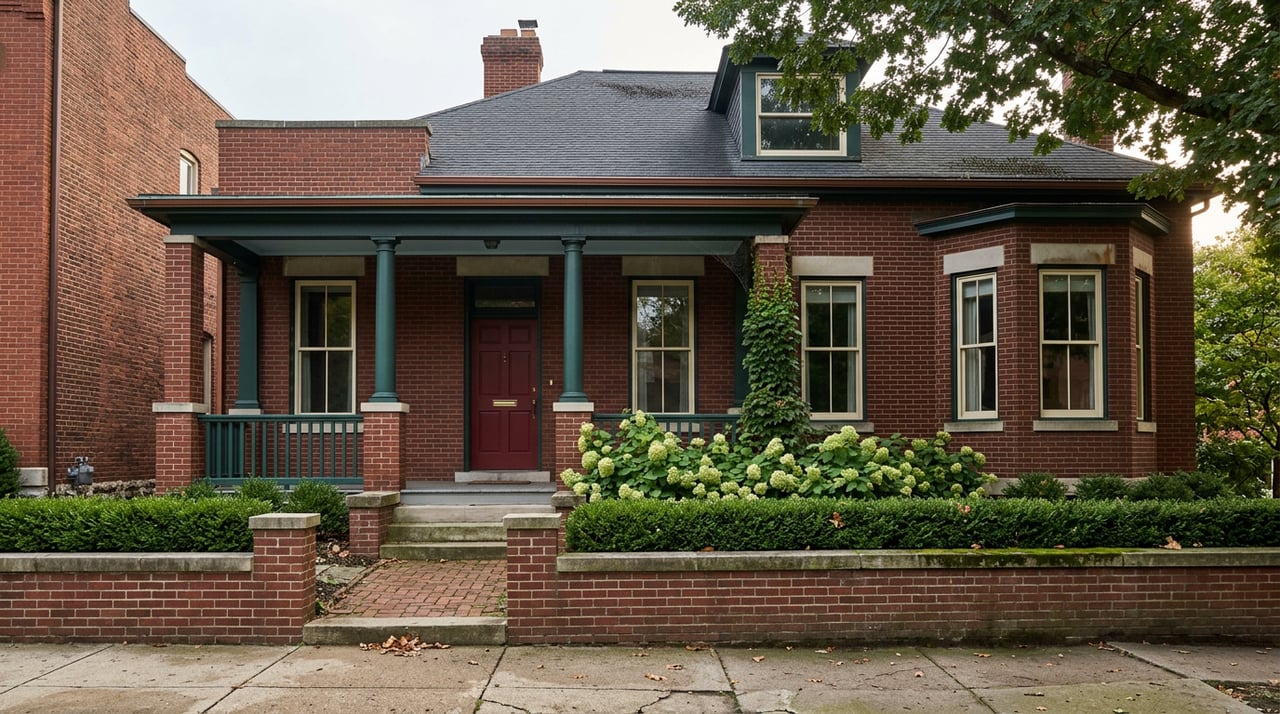
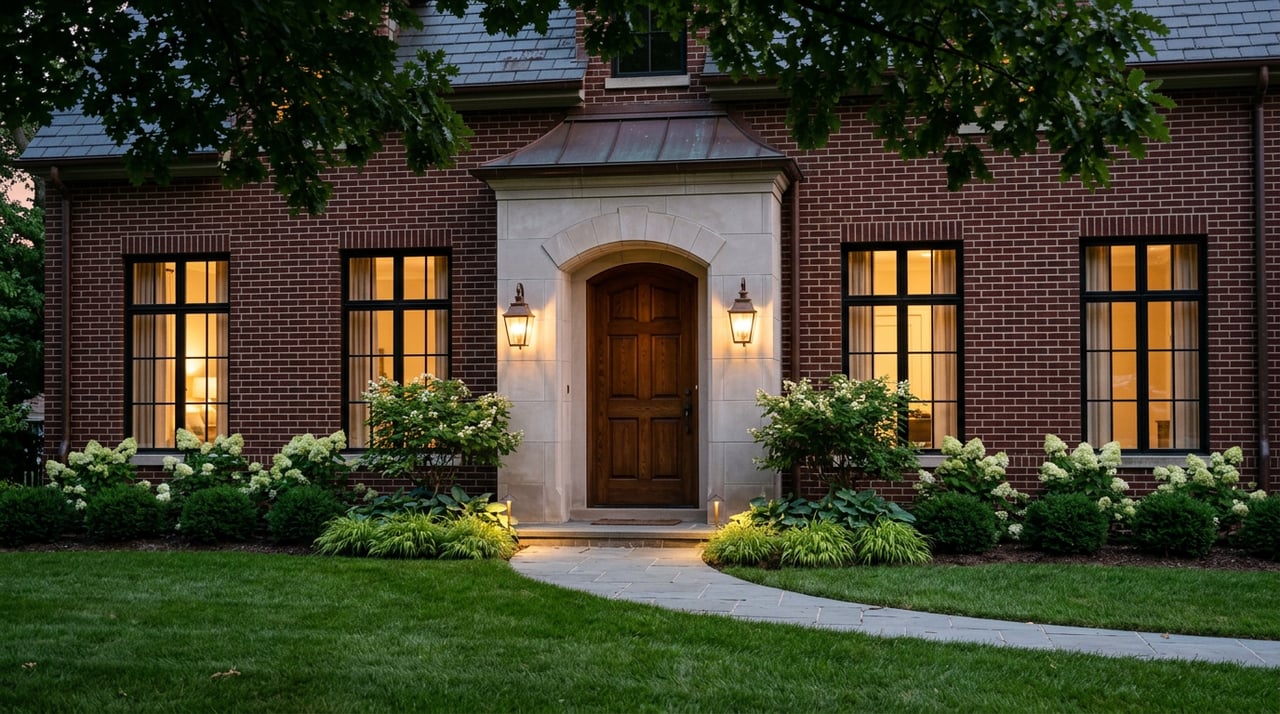
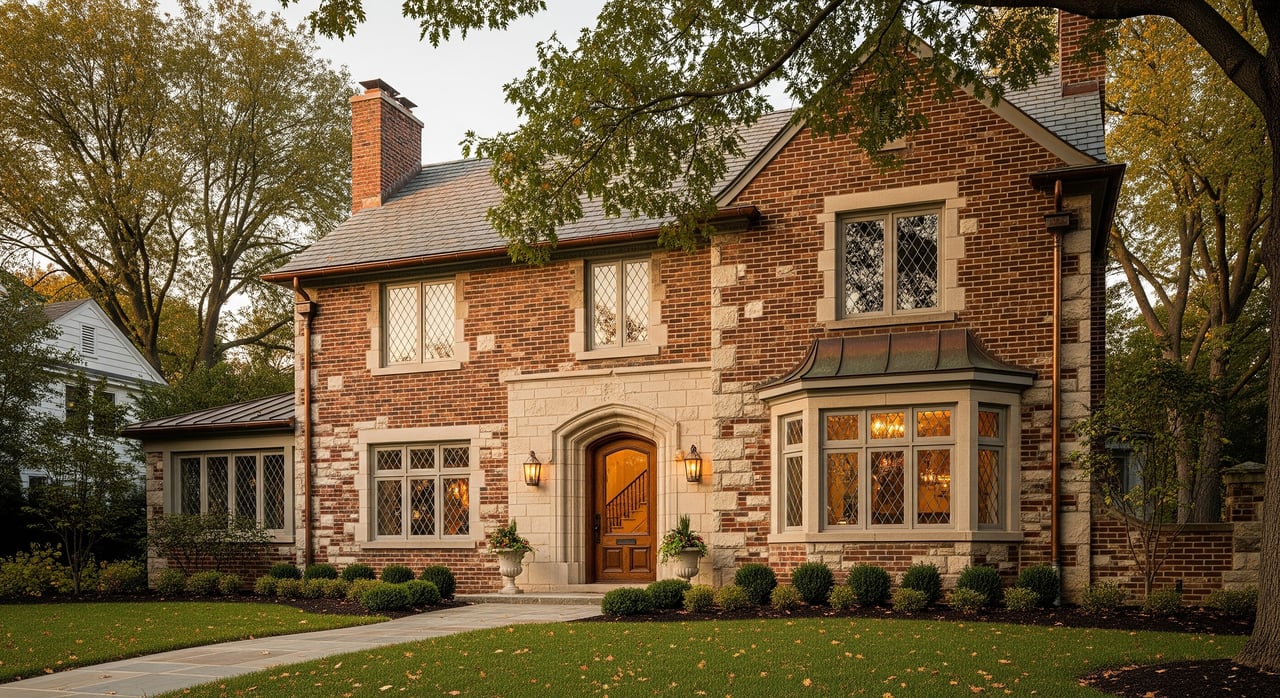
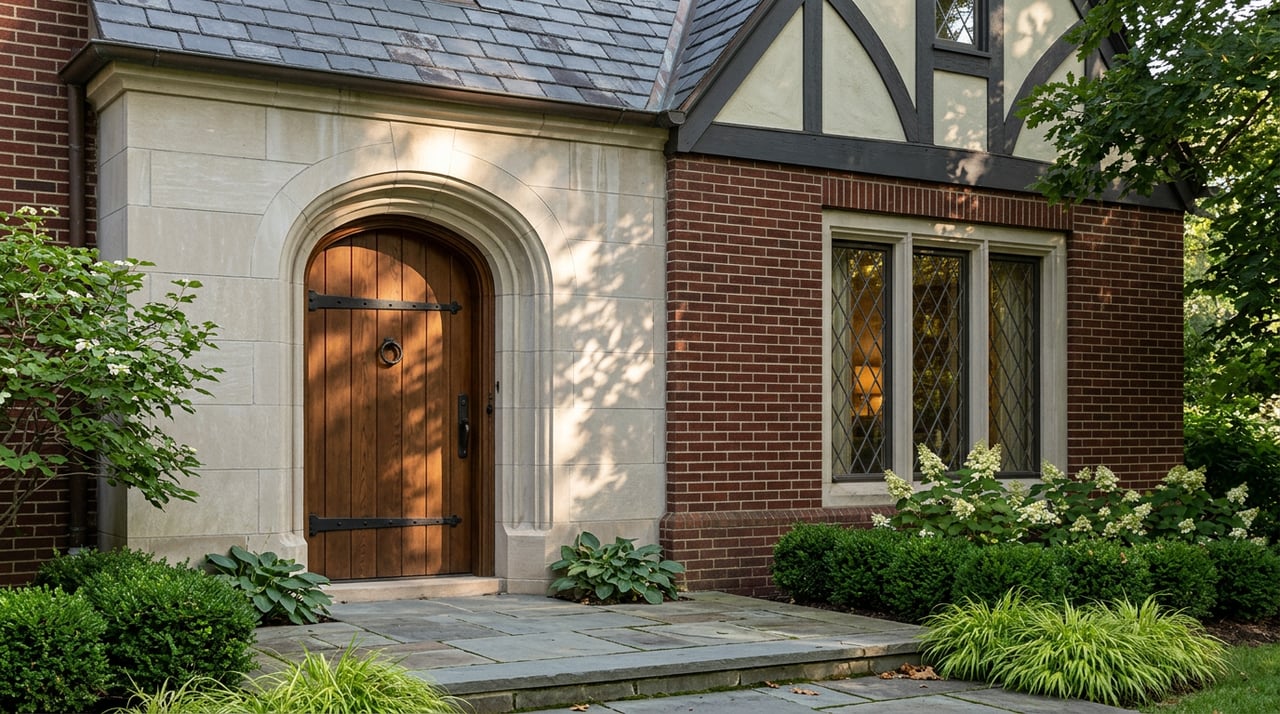
Look at the language on active and recently pending listings and a pattern emerges. Buyers in Mission Hills in 2026 are paying up for architectural integrity, not for gut jobs. A thoughtfully restored 1927 Tudor with original leaded glass, crown moldings, and hardwoods will typically outsell a heavier modernization of the same footprint on the same street.
Two practical implications for a buyer:
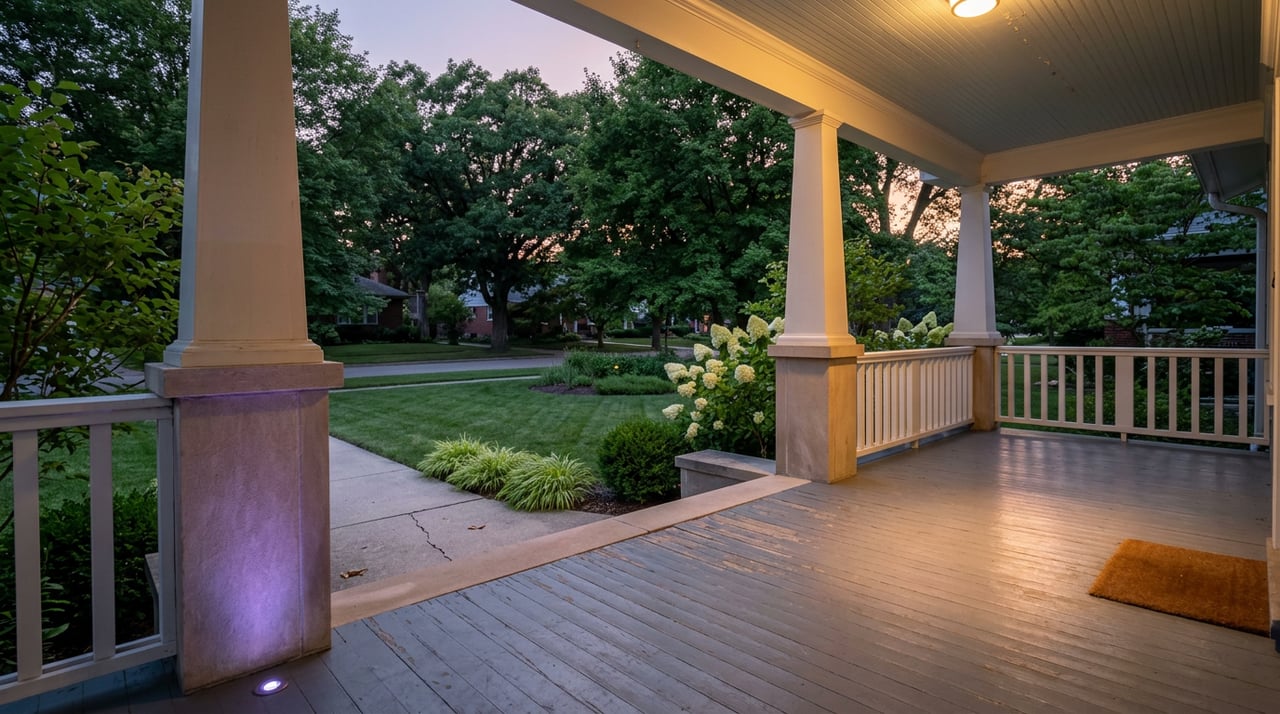
- If you are cross-shopping with Leawood, where much of the inventory is newer construction, the value proposition is different. In Leawood you are buying the new mechanicals directly. In Mission Hills you are buying the shell, and the market rewards owners who paid to keep the shell honest.
- If you are cross-shopping with Prairie Village or Brookside, you are looking at the same J.C. Nichols planning DNA at a lower entry price. The Mission Hills premium above those two neighborhoods is real, but it is heaviest at the estate tier. In the $900K–$1.2M band, the three markets overlap more than portal medians suggest.
Turnover is slow, and that matters at the negotiating table
Roughly one sale per week across the whole city means most streets do not see a comparable transaction in any given quarter. Appraisers reach further afield for comps than they would in a higher-turnover market, and that reach can either help or hurt a deal depending on which recent closings the appraiser lands on.
Days on market has been moving. Redfin's November 2025 snapshot showed homes averaging 42 days on market, up from 15 days the prior year, while pending listings in early 2026 were going under contract in as little as three days on the hottest properties. Both of those figures are true and describe different segments of the same market. Move-in-ready homes at defensible prices still transact quickly. Anything with a renovation question mark, deferred maintenance, or aggressive pricing is sitting.
For a buyer, that widening gap between the fast lane and the slow lane is opportunity. For a seller, it is the argument for spending on presentation before the sign goes up.
Ground-level friction in 2026
Two current-market items belong on any buyer's checklist before writing an offer:
The Belinder Road corridor is under sustained utility and street reconstruction. Kansas Gas began line replacement in late 2025, Google Fiber and WaterOne started their work in January 2026, and the city's own street and stormwater project, awarded to Pyramid Contractors, began in June 2026 on Belinder Avenue, portions of 69th Street, and 70th Terrace. If you are touring in this corridor, expect closures, staging equipment, and restoration timelines that extend past the initial construction. The city's project page has current closure notices.
The 2026 Mission Hills Comprehensive Plan, prepared by Confluence with input from the 2023 resident survey and public open houses, was recently adopted. The plan preserves the garden-community framework J.C. Nichols and landscape architect S. Herbert Hare established, with design guidelines on setbacks, lot coverage, and scale. If you are buying with plans to add on, tear down, or reconfigure a lot, read the plan before you write the offer. What is possible on a given parcel is a narrower question in Mission Hills than in most Johnson County cities.
The greenbelt is a pricing input, not a lifestyle bullet
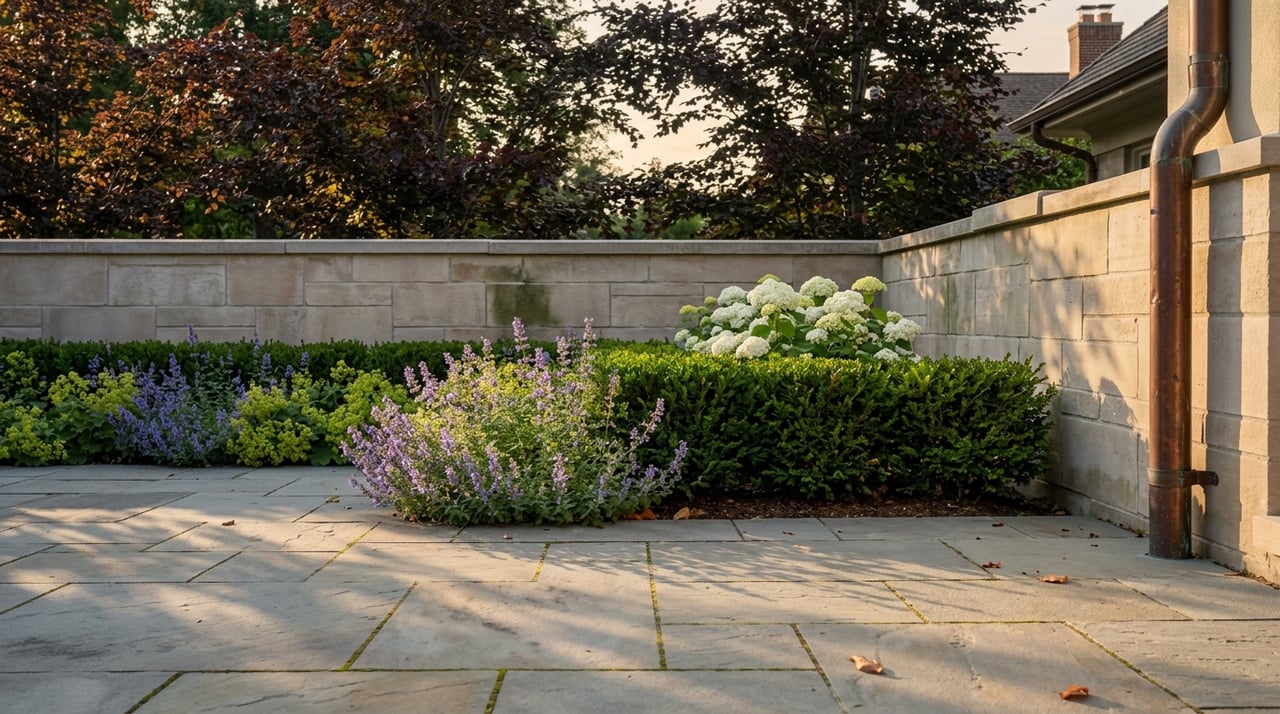
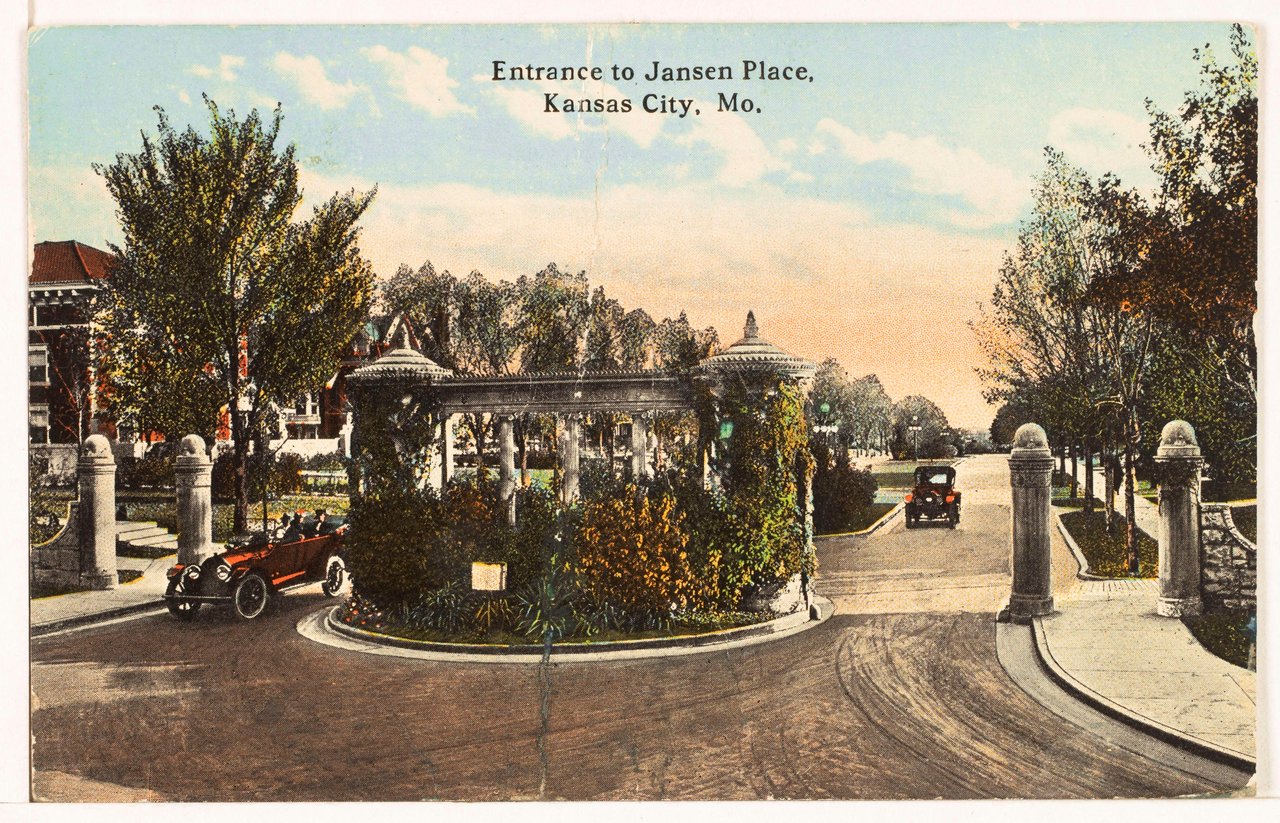
Mission Hills's open space is not public parkland in the way Leawood's or Prairie Village's is. It is the fairways and grounds of Mission Hills Country Club, Indian Hills Country Club, and Kansas City Country Club, plus the Sunken Garden and the Verona Columns. That private greenbelt is why the neighborhood reads as spacious despite sitting at 1,747 people per square mile on a two-square-mile footprint. It is also why homes backing to club property carry a premium that has nothing to do with membership, which is separately purchased and privately governed. When you see two similar homes two blocks apart with a $400,000 gap, the view from the back windows is often doing the work.
FAQ
Why do Zillow, Redfin, and Homes.com give me such different Mission Hills numbers? They are measuring different things over different windows on a very small sample. Redfin's monthly median is a raw count of what closed that month. Zillow's ZHVI is a modeled typical value. Homes.com's figures average across a full year of listings. With only about a sale a week citywide, the monthly numbers swing hard on mix.
Is new construction ever an option here? Effectively no. The city is fully built out, and the Comprehensive Plan prioritizes preservation of scale and streetscape. Teardown-and-rebuild does happen, but it is a slow, permit-intensive path with design review, not a shortcut to new-build inventory.
Does the Belinder Road work affect home values? Short-term, it affects showings and access on the immediate blocks. Longer-term, replaced gas, water, fiber, and stormwater infrastructure is a positive for the corridor. Buyers should ask specifically about restoration timelines for driveways, curbs, and landscape after utility work.
If you are trying to price a Mission Hills home to list or to write an offer that actually clears at appraisal, the portal median is a starting fact, not an ending one. Livin KC works these streets weekly and can put your specific block, lot, and architectural period against the right comps rather than the noisiest ones. Reach out for a home valuation or a buyer strategy conversation before the next Belinder closure catches you on a Saturday tour.