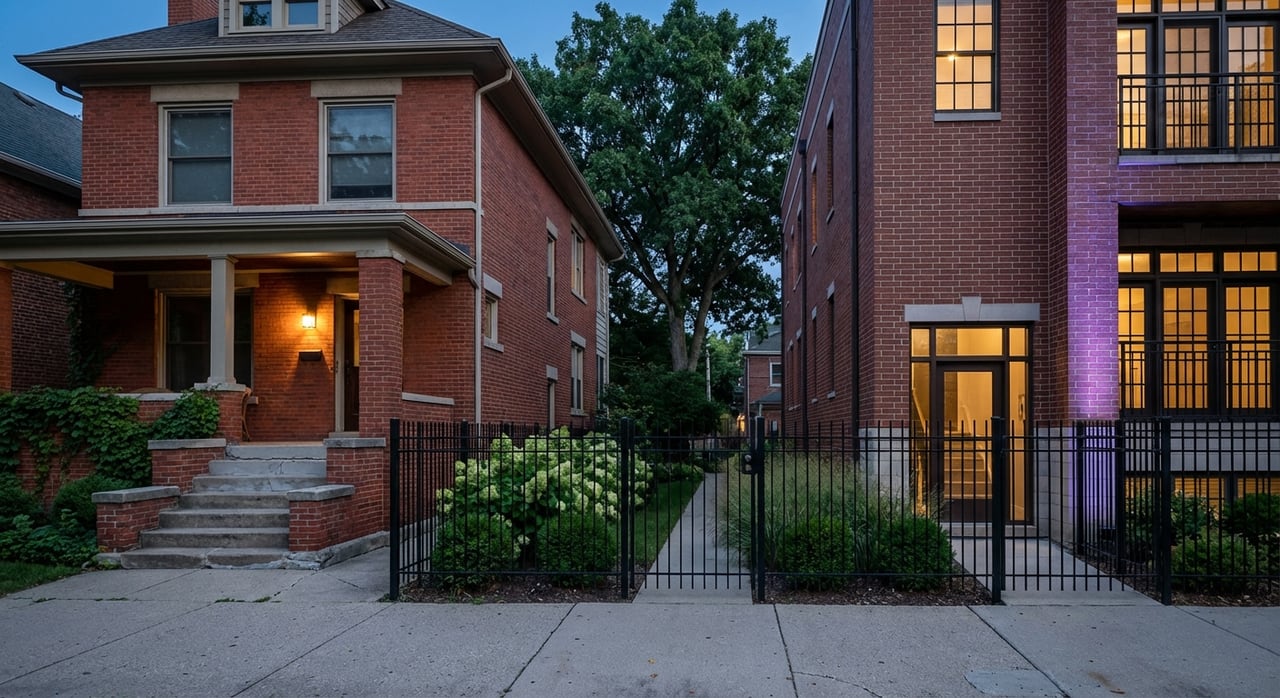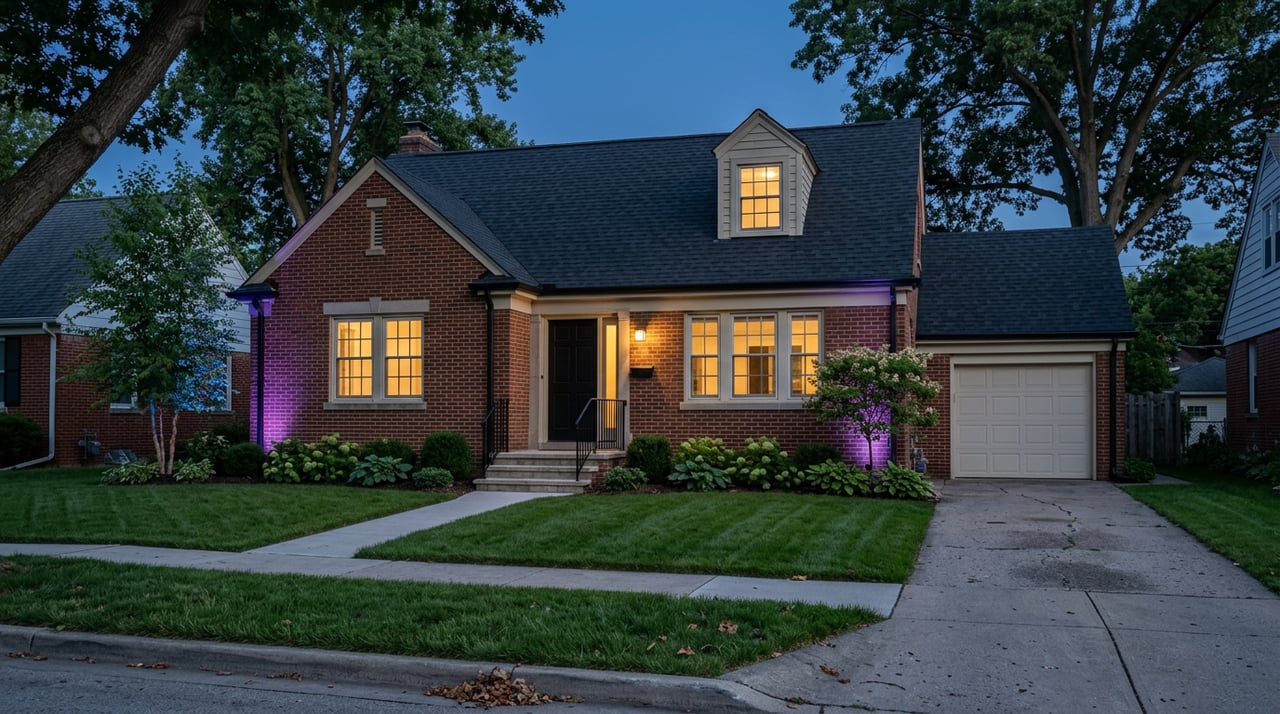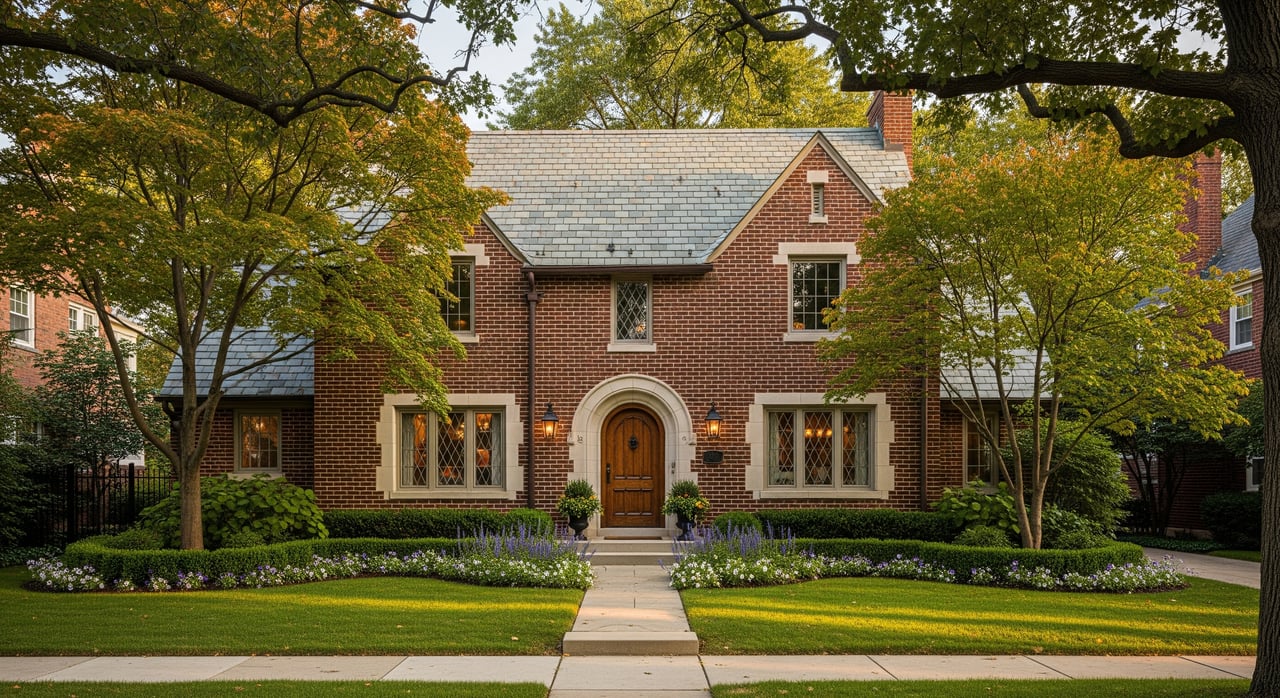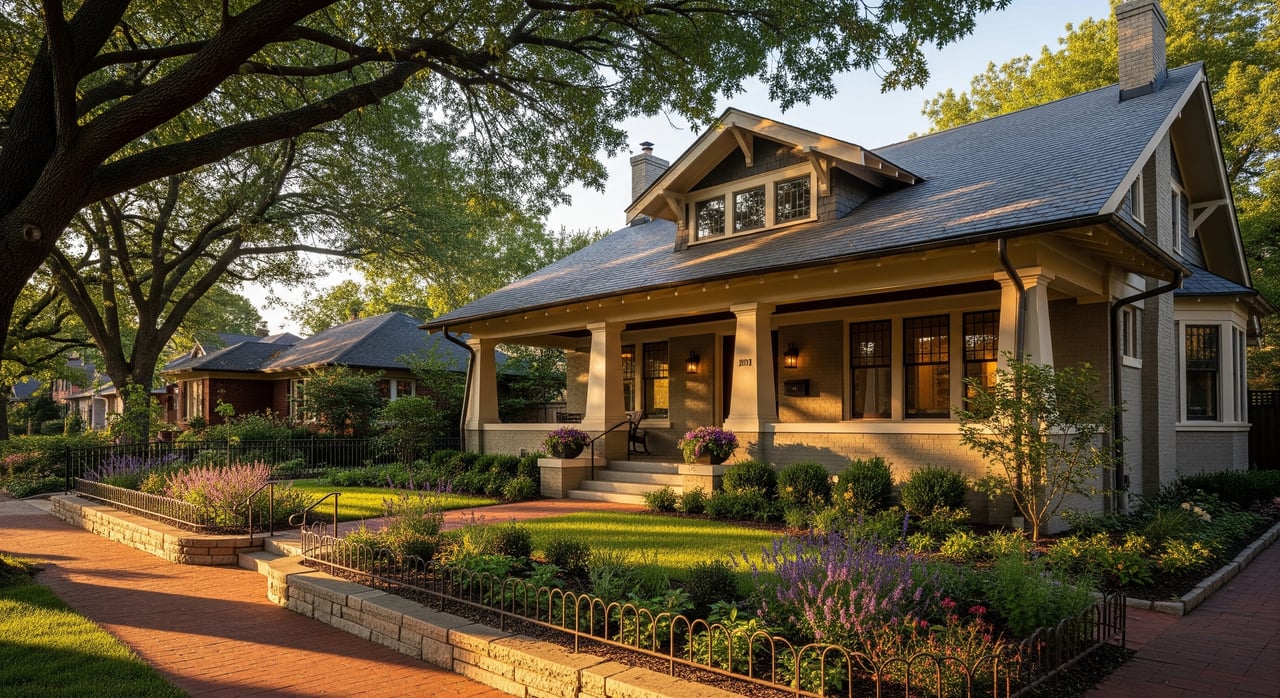
If you are comparing neighborhoods in Leawood, one of the first things you will notice is that buyers often talk about the city in two broad halves: north Leawood and south Leawood. That shorthand can be helpful, but it is only useful if you understand what it really means on the ground. In this guide, you will get a clear, practical look at how Leawood’s established and newer neighborhoods differ, what buyers tend to compare, and how to narrow your search with more confidence. Let’s dive in.
Why buyers split Leawood north and south
Leawood covers 14.7 square miles and sits about 10 miles southwest of downtown Kansas City. The city has developed over time in a pattern that makes the north-versus-south comparison a practical way to describe different housing styles, lot patterns, and neighborhood setups. According to the City of Leawood, I-435 crosses the city just north of center, and about 75% of the land area is already developed.
In everyday real estate conversations, north Leawood usually refers to the city’s original postwar core. South Leawood usually points to areas that developed later, including some of the city’s newer luxury communities. That said, these labels are broad and do not mean every neighborhood on one side looks or feels the same.
North Leawood at a glance
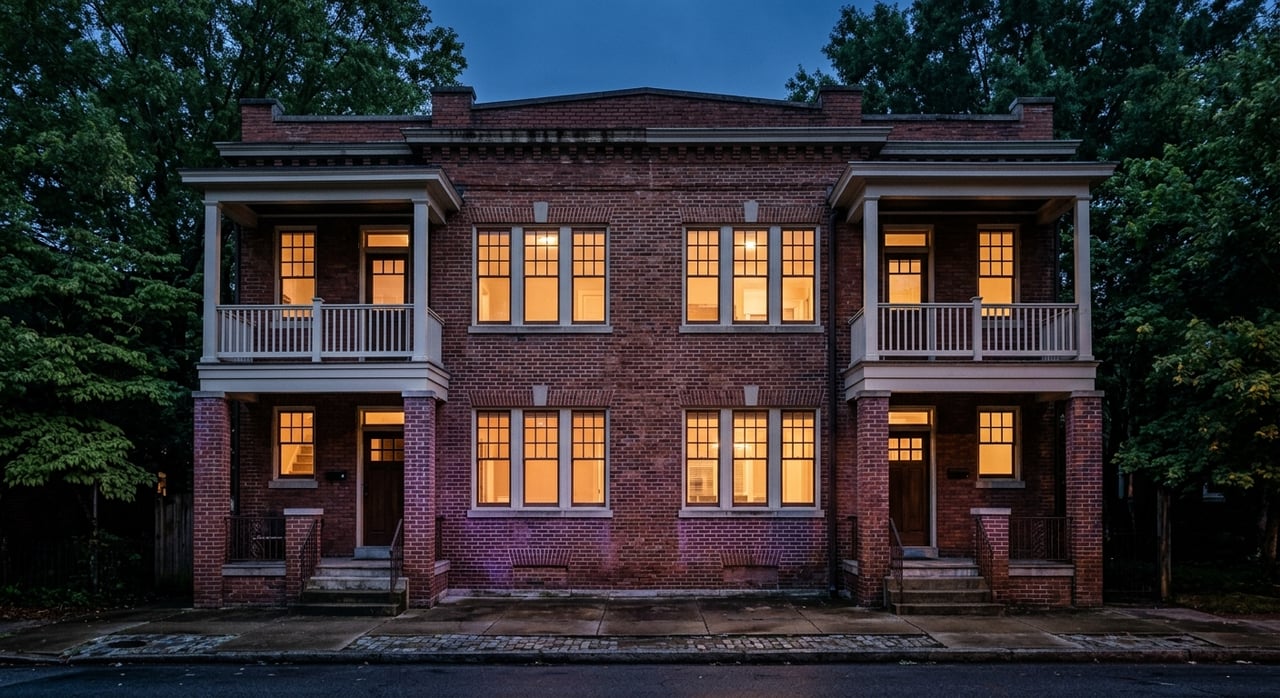
North Leawood is where you see much of the city’s original identity. The city’s history materials note that the original north-side development began around the end of World War II, after the city’s early land assembly and later incorporation in 1948.
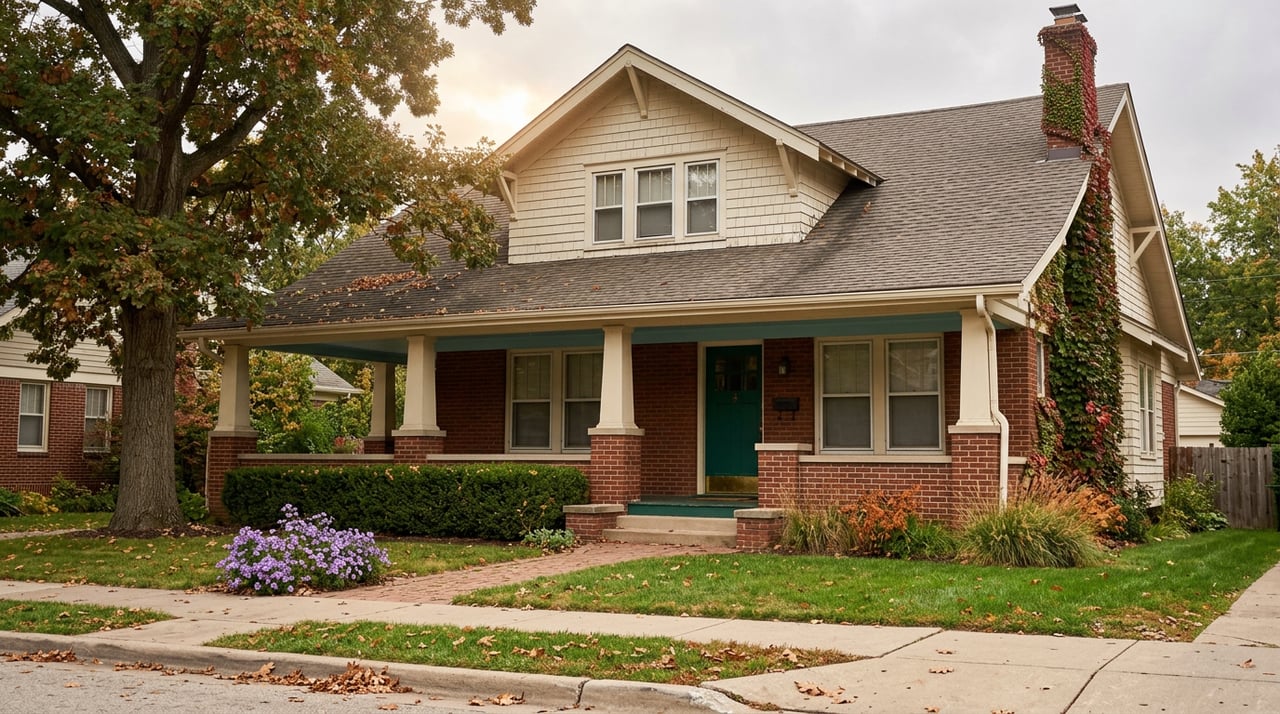
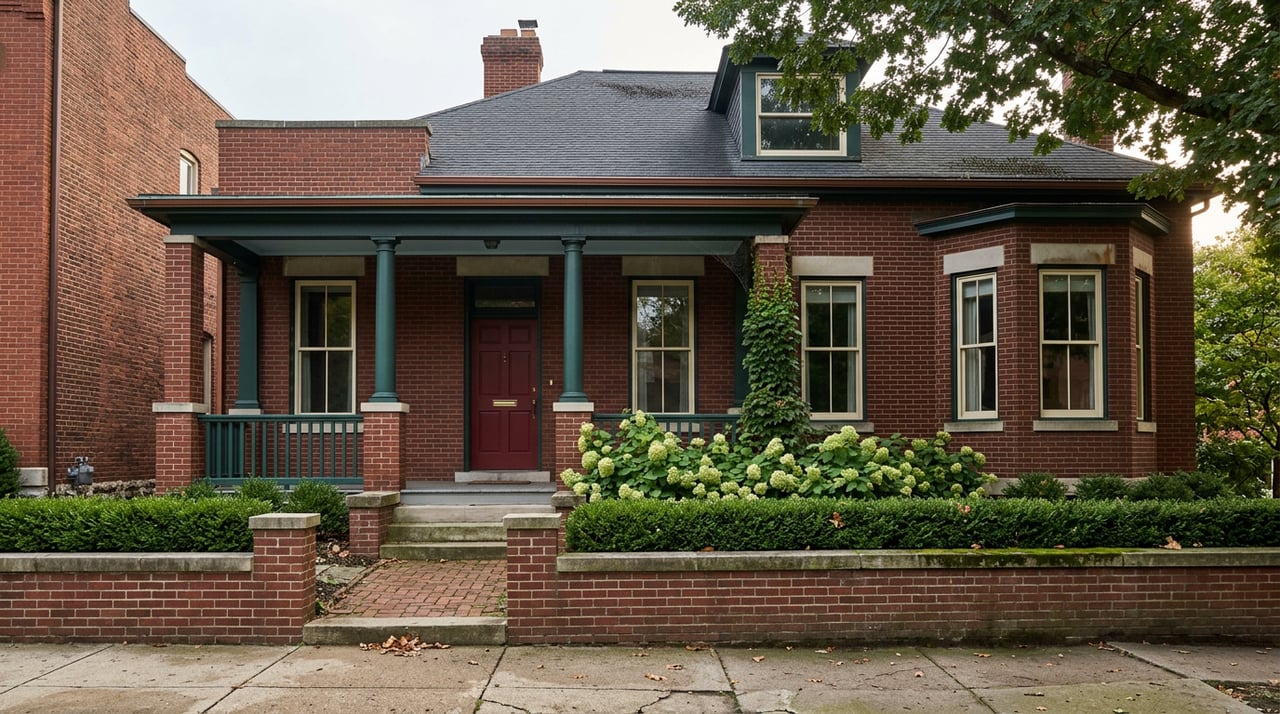
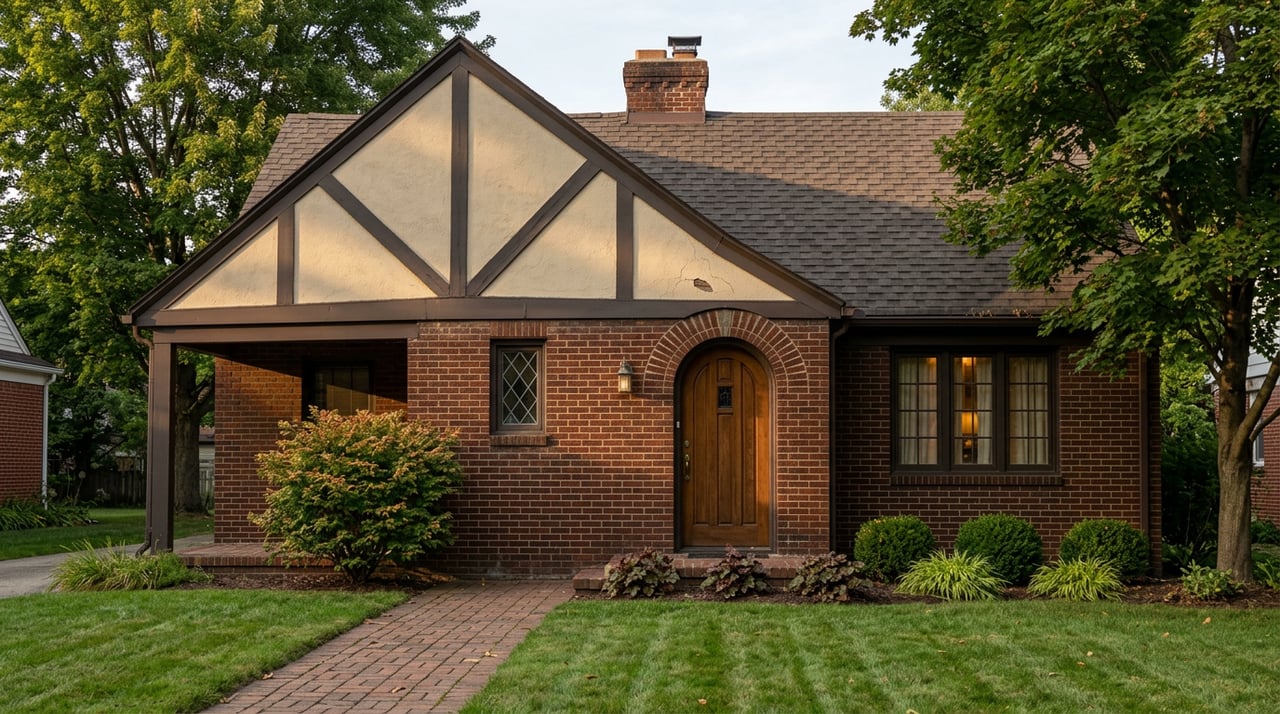
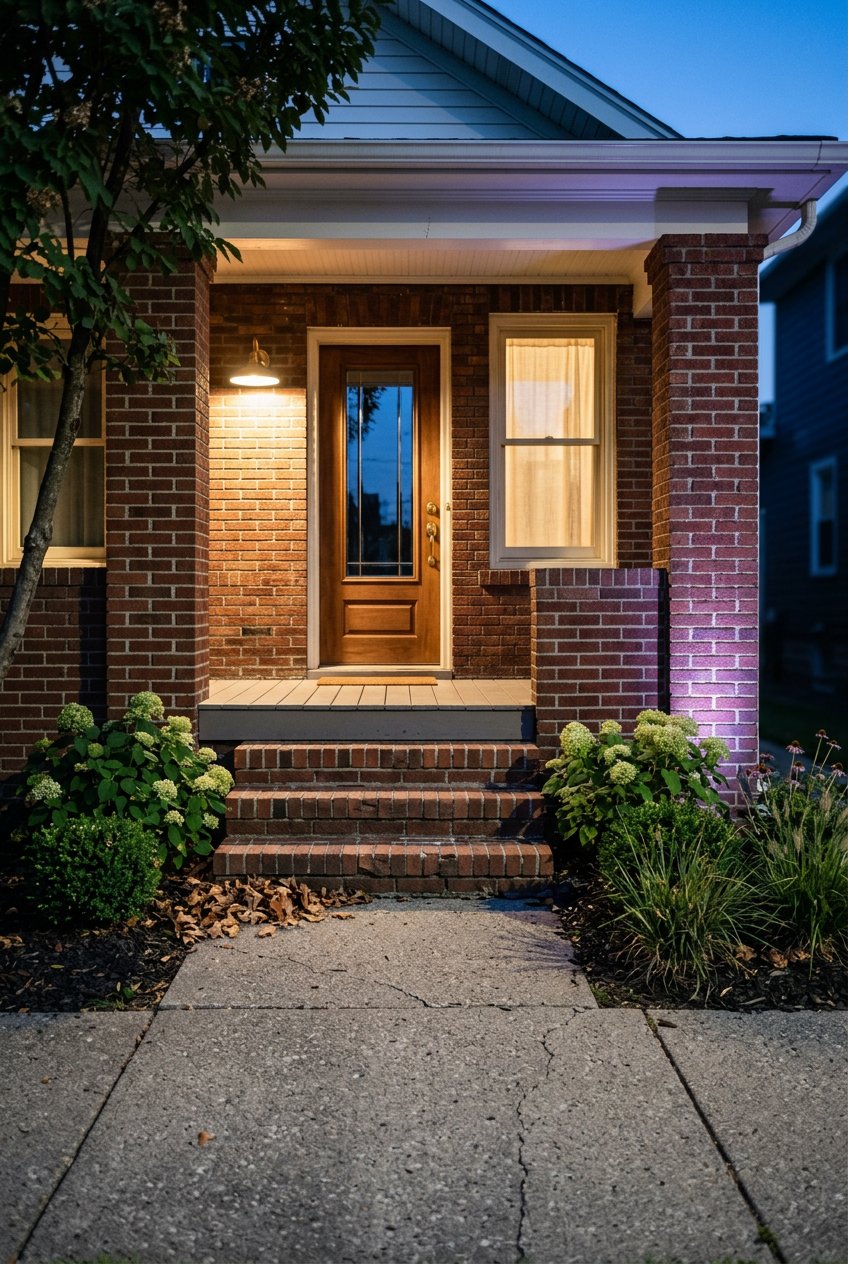
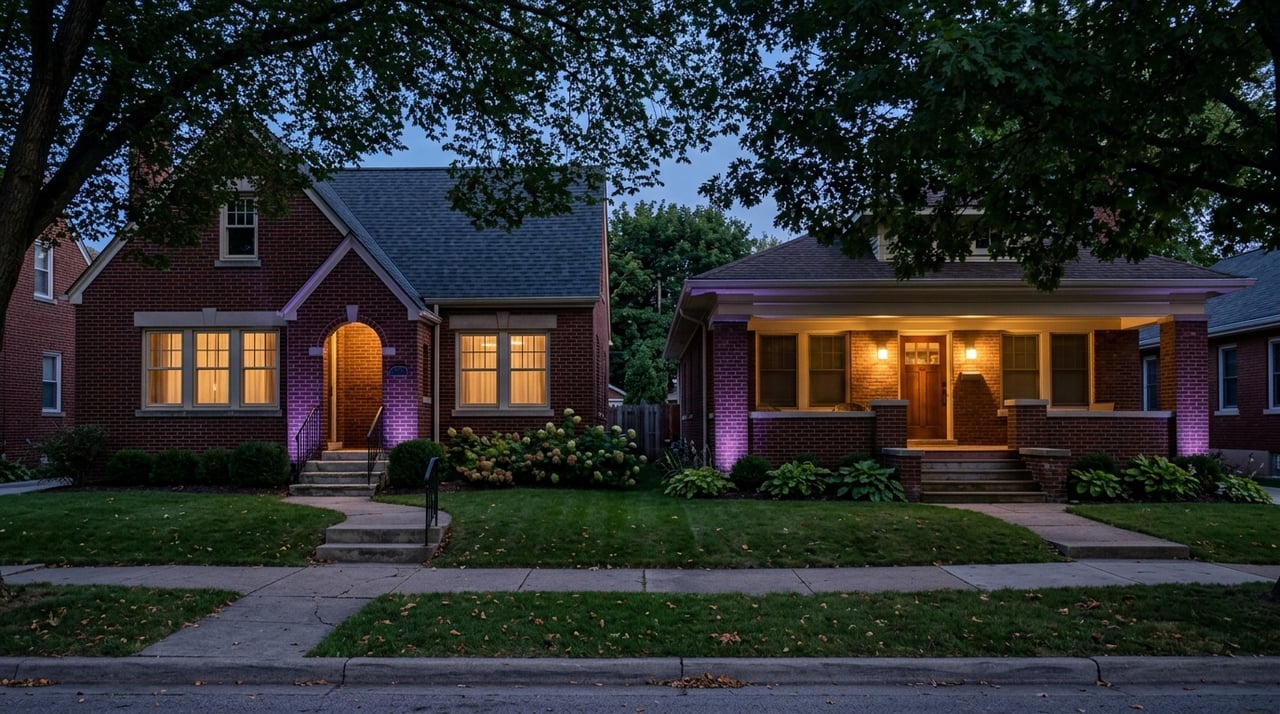
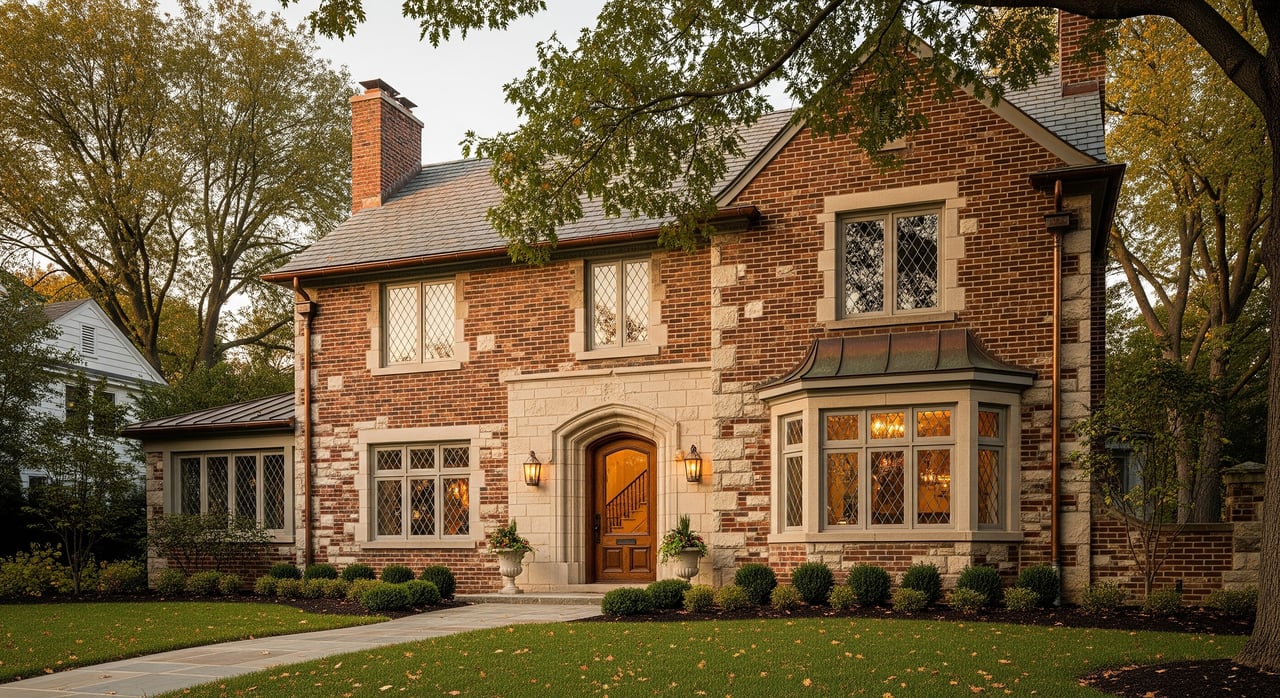
For buyers, that history often shows up in the street pattern, architecture, and overall feel. North Leawood is typically where people start if they want established neighborhoods, mature landscaping, and homes tied to the city’s earliest residential growth.
Historic roots and original plats
Some of north Leawood’s strongest anchors are its historic districts. The Leawood Historic Commission says Historic District I includes 130 homes in the original plat, Historic District II includes 355 nearby homes, and the Lee Farmhouse Road Historic District adds a one-street district along W. 96th Street.
These details matter because they help explain why certain areas in north Leawood feel especially established. Buyers looking for classic Leawood often focus on areas connected to the original plat and nearby historic surveys, including the general area around Somerset, 83rd, High, Meadow Lane, and Manor.
Mature canopy and established streets
One of the most noticeable differences in north Leawood is the streetscape. The city’s street-tree regulations explain that newer developments typically have 10-foot tree lawns, while older neighborhoods may have narrower rights-of-way and different replanting rules.
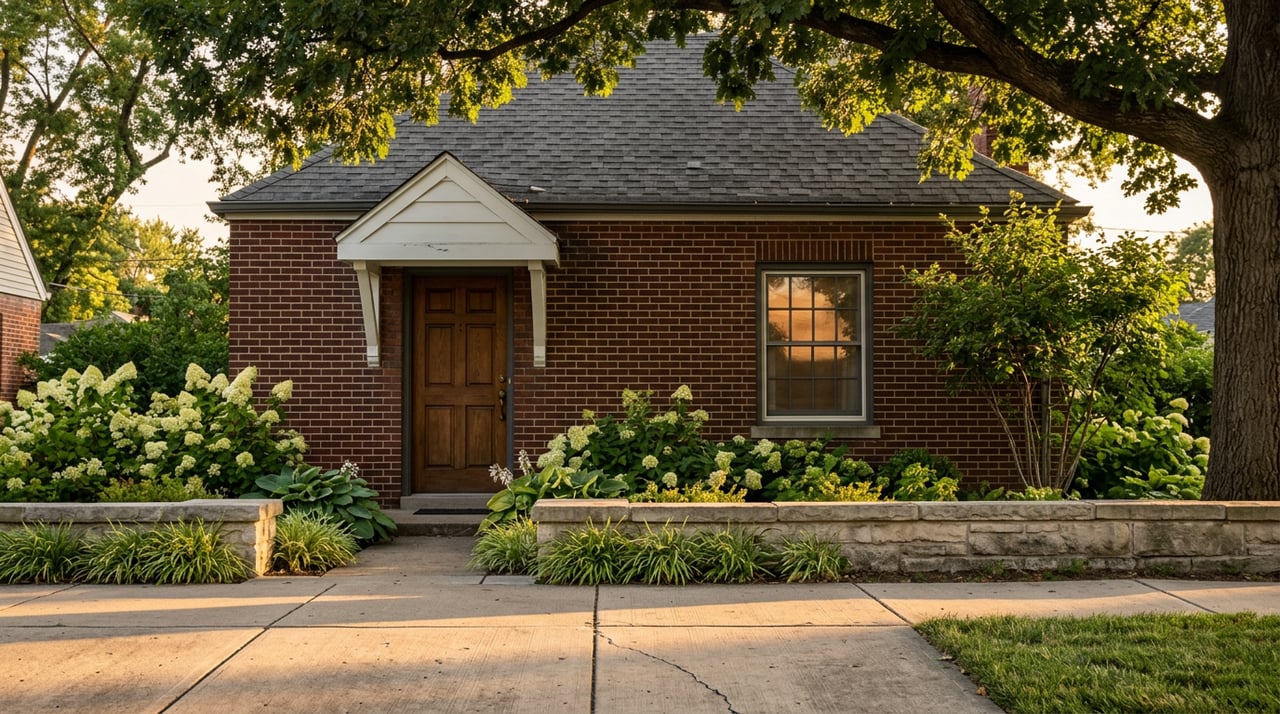
In practical terms, that helps explain why older north-side neighborhoods often feel more established and shaded. It is a useful way to think about north Leawood if you are drawn to mature trees and long-settled residential blocks, without assuming every street follows the exact same lot or layout pattern.
HOA structure tends to be simpler
North Leawood also reflects an older neighborhood model. The Leawood Homes Association says it was created in 1938 for roughly 1,500 homes bounded by 95th Street, Somerset Drive, State Line, and Mission Road.
Its core services include trash, street-tree maintenance, islands and monuments, and architectural review. For buyers, that often means north Leawood associations are more focused on upkeep, appearance, and continuity than on a long list of private amenities.
South Leawood at a glance
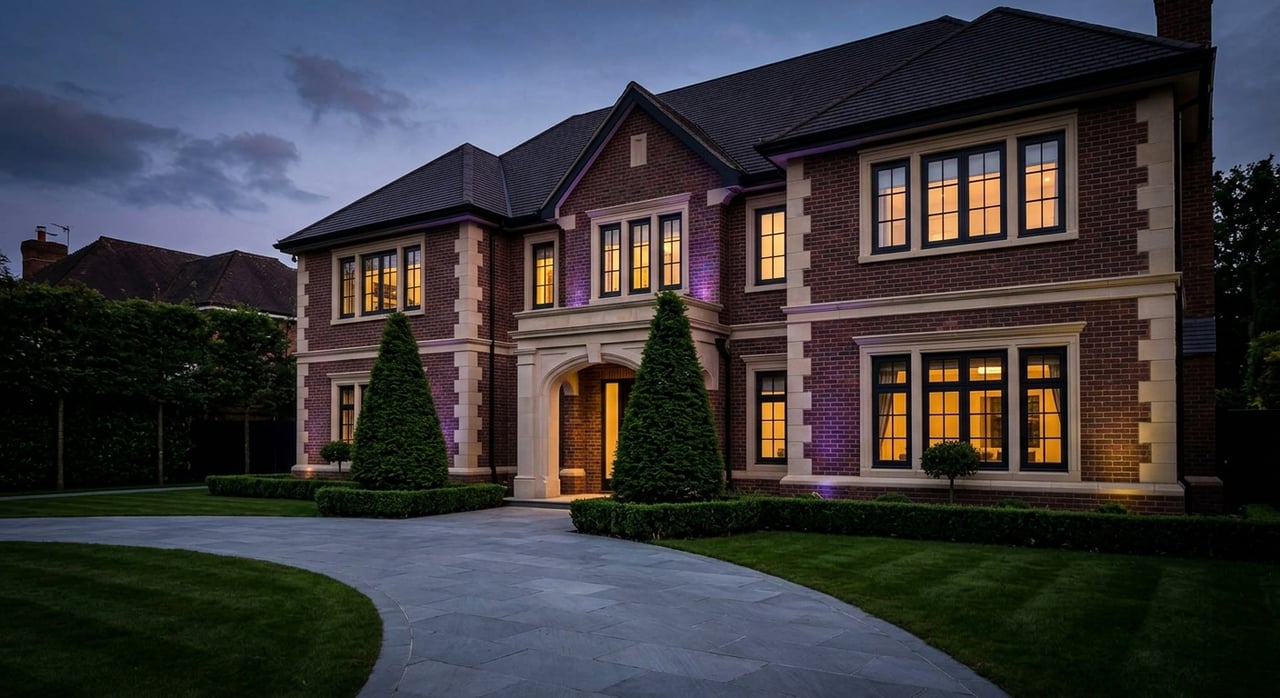
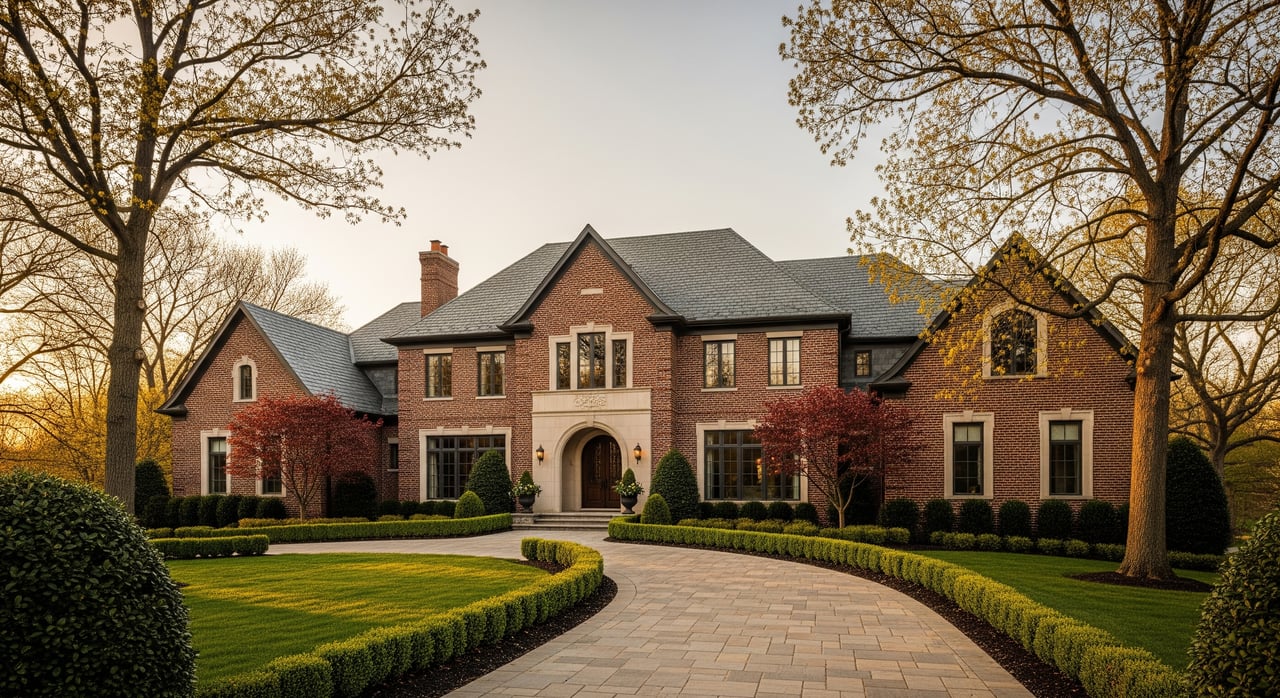
South Leawood developed later, but it is not one single neighborhood type. It includes both established areas and some of Leawood’s newer luxury communities, which is why it often comes up in searches for larger homes, newer construction, and more amenity-driven neighborhood design.
This part of Leawood is where many buyers look when they want later-build homes, more recent subdivision planning, or community features that go beyond basic maintenance. Still, it is important not to treat the entire south side as brand new.
Newer luxury communities stand out here
When buyers picture newer south Leawood, two names often come up: Hallbrook and The Hills of Leawood. According to the Hallbrook Community Association, Hallbrook Farms is at 119th and State Line, its homeowners association dates to 1999, and its common areas include entrances, berms, 93 islands, a guardhouse, mailboxes, security cameras, light poles, and street trees.
The Hills of Leawood is described by its developer as the newest luxury homes community in Leawood. Its features include a wooded entry, waterfall feature, walkout and wider lots, architectural variety, paved walking and biking trails, a pool, an open-air pavilion, and private gated access to Ironwoods Park.
South Leawood is not all new
It is easy to oversimplify south Leawood, but that misses part of the picture. The south side also includes established neighborhoods that have been part of the market for years.
For example, Leawood Meadows describes itself as an established neighborhood in southern Johnson County with spacious lots, walking trails, and parks. So if you are searching in south Leawood, you are not only choosing between new construction and older north-side homes. You may also find mature neighborhoods with a different layout and location than the city’s original core.
Key differences buyers compare
When you are deciding between established and newer neighborhoods in Leawood, the most useful comparisons usually come down to a few core questions.
Home style and age
If you want the older, more classic side of Leawood, north Leawood is usually the starting point. Its original-plat areas and historic districts are the clearest fit for buyers who value established architecture and the city’s earlier development pattern.
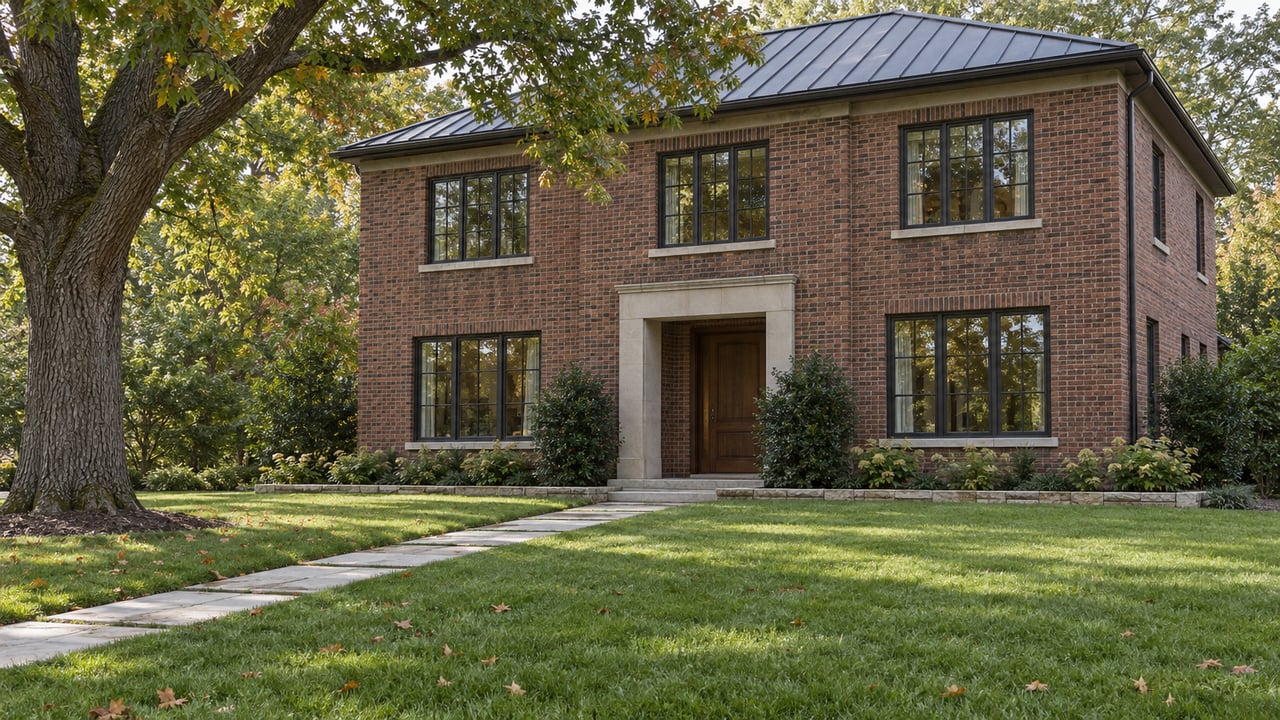
If you want newer homes or later-build luxury options, south Leawood usually offers more of that inventory. The newer communities there tend to reflect more recent design preferences, subdivision planning, and common-area features.
Lot feel and neighborhood layout
North Leawood often appeals to buyers who want a traditional, established streetscape. The mature canopy and older rights-of-way help create a distinct look and feel that many buyers associate with classic Leawood.
South Leawood, especially in newer luxury pockets, may appeal more if you are looking for features like walkout or wider lots. The Hills of Leawood is one of the clearest examples called out in the available source material.
Amenities and HOA expectations
Amenities are another common dividing line. In north Leawood, association structures often lean toward maintenance and architectural review rather than private lifestyle amenities.
In newer south Leawood communities, buyers may find more amenity-oriented setups. That can include neighborhood entries, trails, pools, pavilion space, gated access points, or more extensive common-area infrastructure depending on the community.
Access and commute patterns
Location within Leawood can also shape your daily routine. Based on the city’s geography and the 69Express corridor, north Leawood may be a better fit if your routine centers more on downtown Kansas City or the I-435 and State Line corridor.
South Leawood may fit better if your travel patterns lean toward US-69, 135th Street, 151st Street, or other south Johnson County destinations. This is not a strict rule for every household, but it is a useful way to think through convenience when comparing two homes in different parts of the city.
Parks and recreation across Leawood
No matter which side of Leawood you prefer, parks and trails are part of the city’s appeal. The city says it operates six parks, one greenway, and an 8.2-mile trail system, with features such as playgrounds, tennis courts, soccer fields, picnic shelters, and an Olympic-size 50-meter pool.
Ironwoods Park is especially relevant when you are exploring south Leawood. Located at 147th and Mission, the 115-acre park includes the Prairie Oak Nature Center, The Lodge, the Oxford School House, rental cabins, a challenge course, an amphitheater, trails, and open space.
How to verify school boundaries
If schools are part of your search, the most important step is to verify the exact address. Blue Valley specifically directs families to use its Find My School tool for address-based assignments.
That matters because neighborhood names and school assumptions do not always line up. Buyers often compare schools in different parts of Leawood, but the smart move is to confirm the assignment for any property you are seriously considering before making a decision.
How to choose the right fit
The best Leawood neighborhood for you depends less on a north-versus-south label and more on how you want to live day to day. If you are drawn to historic character, established streets, and the feel of Leawood’s original residential core, north Leawood may be your best match.
If you want later-build neighborhoods, larger-lot possibilities in select areas, or more HOA-style amenities, south Leawood may be where your search starts. And if you are open-minded, it is worth remembering that south Leawood also includes established neighborhoods, not just newer luxury pockets.
A neighborhood-first search usually leads to better decisions than filtering only by square footage or year built. When you compare how a home fits your commute, preferences, and daily routine, the right choice becomes much easier to see.
If you want help comparing Leawood neighborhoods at a more detailed, street-by-street level, the team at Livin KC can help you narrow the options and make sense of what fits your goals best.
FAQs
Which part of Leawood has the older, more classic homes?
- North Leawood is generally the area buyers associate with older, more classic homes, especially around the original plat and historic-district areas identified by the city.
Which part of Leawood has newer luxury neighborhoods?
- South Leawood is where buyers usually find the city’s newer luxury communities, including examples like Hallbrook and The Hills of Leawood.
Is all of south Leawood newly developed?
- No. South Leawood includes newer luxury pockets, but it also has established neighborhoods such as Leawood Meadows.
Which side of Leawood has more HOA amenities?
- Newer south Leawood communities generally offer more HOA-style amenities, while north Leawood associations tend to focus more on maintenance and architectural review.
How should buyers verify school assignments in Leawood?
- Buyers should use Blue Valley’s Find My School tool to verify the exact address rather than relying on neighborhood labels or general assumptions.
How does commute access differ between north and south Leawood?
- North Leawood may be more convenient for trips toward downtown Kansas City and I-435, while south Leawood often fits travel tied to US-69, 135th, 151st, and south Johnson County destinations.