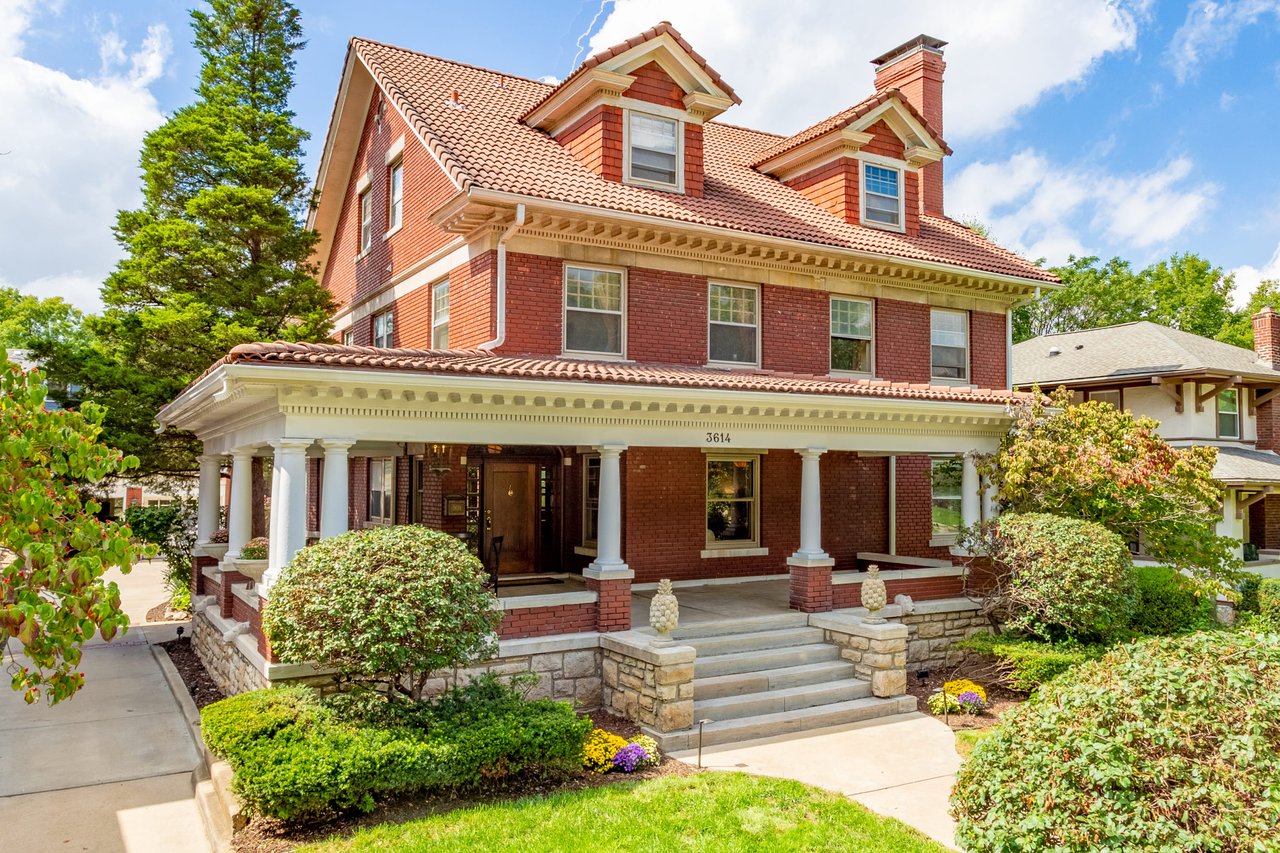
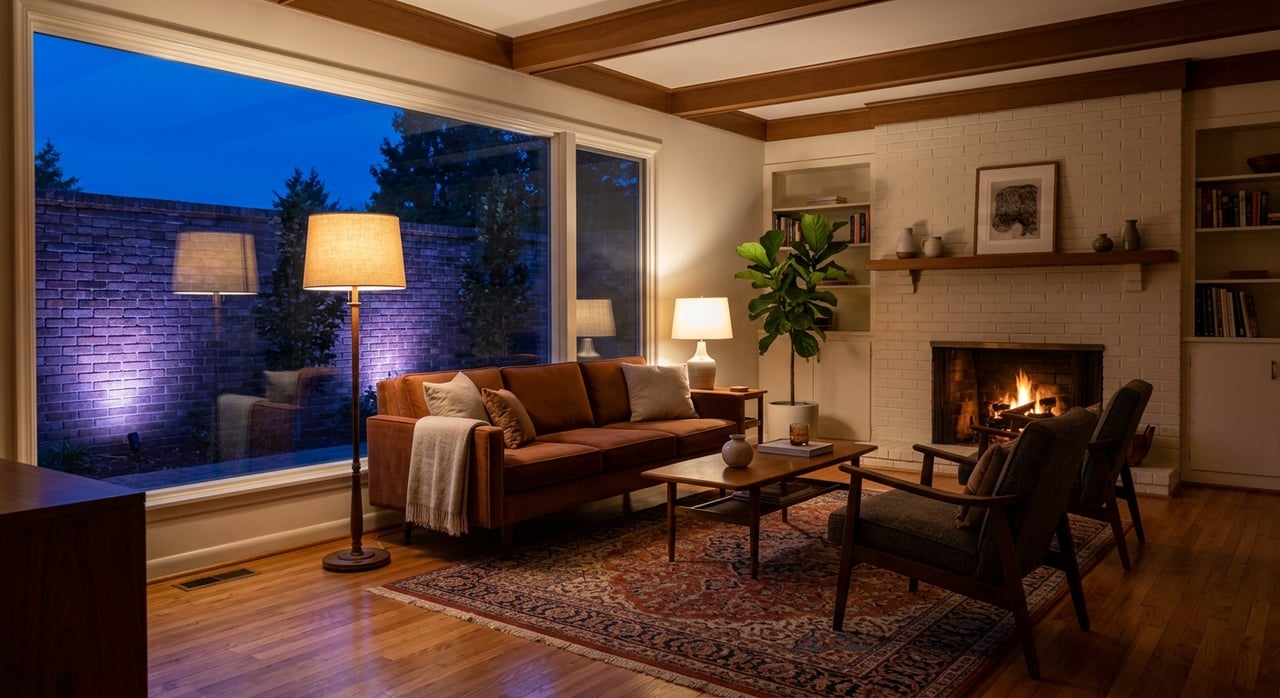
If you are preparing to sell a home in Prairie Village, you are not just putting a house on the market. You are positioning an older, neighborhood-specific property in a fast-moving market where small details can shape your result. The good news is that with the right prep, pricing, and presentation, you can make your home stand out and move forward with more confidence. Let’s dive in.
Why prep matters in Prairie Village
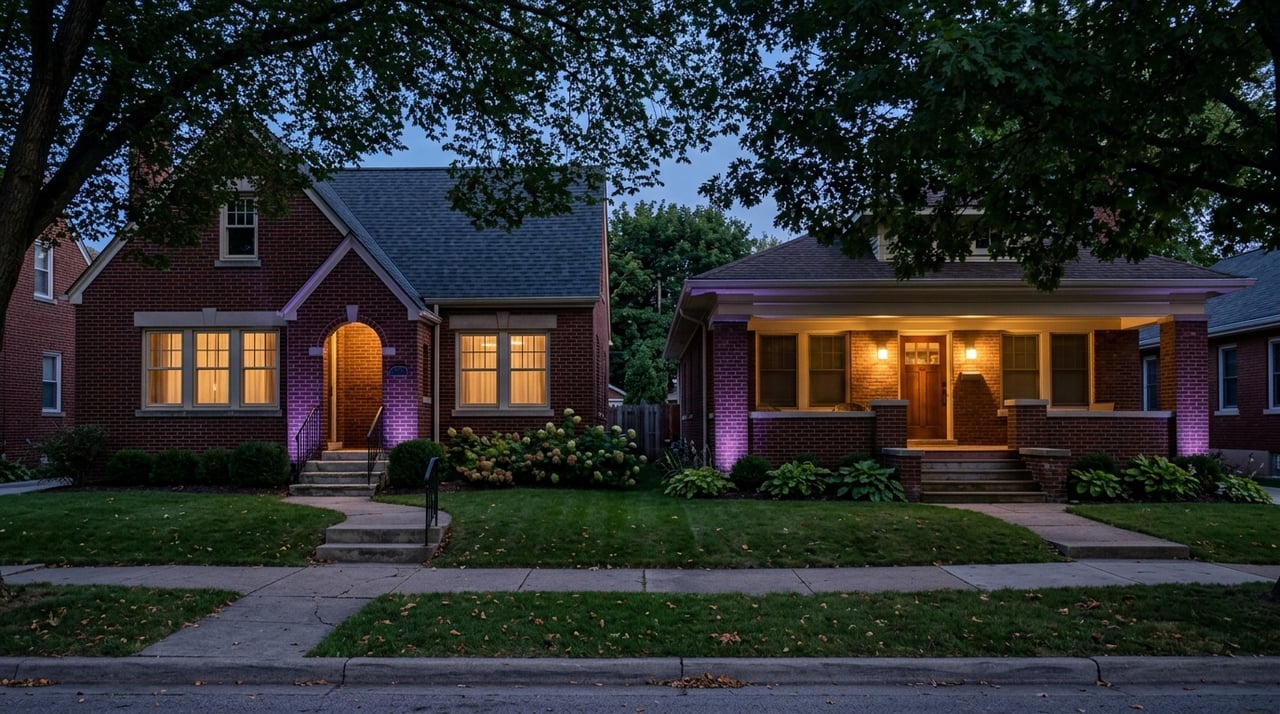
Prairie Village is a mature, built-out market with housing that was largely developed in earlier decades. The city notes that construction began in 1941, and many homes were built in clusters over time, which helps explain why pricing and presentation can vary so much from one pocket to the next.
That matters because buyers are not comparing your home to a generic city average. They are comparing your lot, layout, updates, and condition to very specific nearby options. In a market like Prairie Village, thoughtful preparation can help your home show better, attract stronger interest, and support cleaner negotiations.
Recent market data points in the same direction. Redfin reported a March 2026 median sale price of $553,500 and median days on market of 10, while Zillow reported a typical home value of $488,597, about 50 homes for sale, and homes going pending in around 3 days as of March 31, 2026. These are different metrics, but together they suggest a competitive market where condition, presentation, and price discipline matter.
Start with your goals and timing
Many Prairie Village sellers are not moving for just one reason. National seller data from 2025 found common reasons include moving closer to friends and family, needing more space, and needing less space. That fits well with what many move-up and downsizing homeowners experience in this area.
Before you make repair decisions or schedule photos, get clear on your timeline. If you need to buy and sell around the same time, want to minimize disruption, or are preparing a longtime home for market, your strategy may look different than someone doing a quick cosmetic refresh.
A solid plan usually starts with three questions:
- How soon do you want to be listed?
- What level of prep fits your budget and goals?
- Which improvements are likely to matter most to buyers in your specific pocket of Prairie Village?
Focus on repairs buyers notice first
Not every project adds the same value. In Prairie Village, visible and value-sensitive updates often make the strongest impression before a buyer ever studies the details.
The city’s 2026 Exterior Grant program identifies eligible improvements such as exterior paint or siding, roofs, gutters, windows and doors, front-facing concrete, foundation repairs, and energy-efficiency upgrades for qualifying owner-occupied homes. The city’s Sustainability Grant also supports items like insulation, windows or doors, HVAC, water heaters, solar, wind, geothermal, and duct sealing.
That does not mean you should complete every possible project before listing. It does mean that if your home has obvious exterior wear, deferred maintenance, or efficiency concerns, those items may deserve attention before cosmetic extras.
High-impact pre-list projects
In many Prairie Village homes, the most useful pre-list work includes:
- Freshening exterior paint or addressing worn siding
- Repairing roof or gutter issues
- Updating older windows or exterior doors where needed
- Fixing cracked or uneven front-facing concrete
- Addressing known foundation concerns
- Improving insulation or mechanical efficiency when condition is a concern
When buyers see visible maintenance issues, they often assume there may be larger hidden problems. Taking care of the right items early can help reduce that friction.
Organize permits and paperwork before listing
In Prairie Village, selling prep is not just about appearance. Documentation matters too, especially in older homes where improvements may have happened over many years.
The city states that contractors should be licensed and insured. It also notes that basement finishes require a permit, drainage permits can be required for additions, pools, driveway expansions, and grading, and all permits except roofs require a final inspection.
If you completed projects before listing, gather your records now. A cleaner file can make buyer questions easier to answer and may reduce stress later in the transaction.
Documents worth collecting
Try to organize:
- Permit records
- Final inspection approvals
- Contractor invoices
- Warranty information if available
- Dates for major repairs or replacements
This step is especially helpful if your home has had remodeling, drainage work, or system updates. It helps show buyers that work was completed with care and attention.
Be proactive about disclosures
Older housing stock can come with more history, and buyers in Prairie Village often pay close attention to it. Being upfront about known issues early can help avoid surprises once inspections begin.
Kansas real estate licensees must disclose adverse material facts actually known to them, including physical condition, material defects, title defects, and material limits on performance. Kansas also requires a radon notice in residential contracts and disclosure of known elevated radon concentrations. Federal law requires lead-based paint disclosures for most homes built before 1978.
For many Prairie Village sellers, the practical takeaway is simple. If you know about a past foundation repair, water issue, radon concern, or major system defect, address how it will be presented before the home hits the market. Clear communication often supports smoother negotiations than a last-minute surprise.
Stage for the way Prairie Village homes live
Staging does not mean making your house look like something it is not. In Prairie Village, the goal is usually to help buyers understand the home’s layout, scale, light, and function.
That approach lines up with current staging data. NAR’s 2025 staging report found that 29% of agents said staging a seller’s home increased the dollar value offered by 1% to 10%, and 49% said staging reduced time on market. The same research notes that staging helps buyers visualize the property as a future home, with the living room, kitchen, and primary bedroom being the most commonly staged spaces.
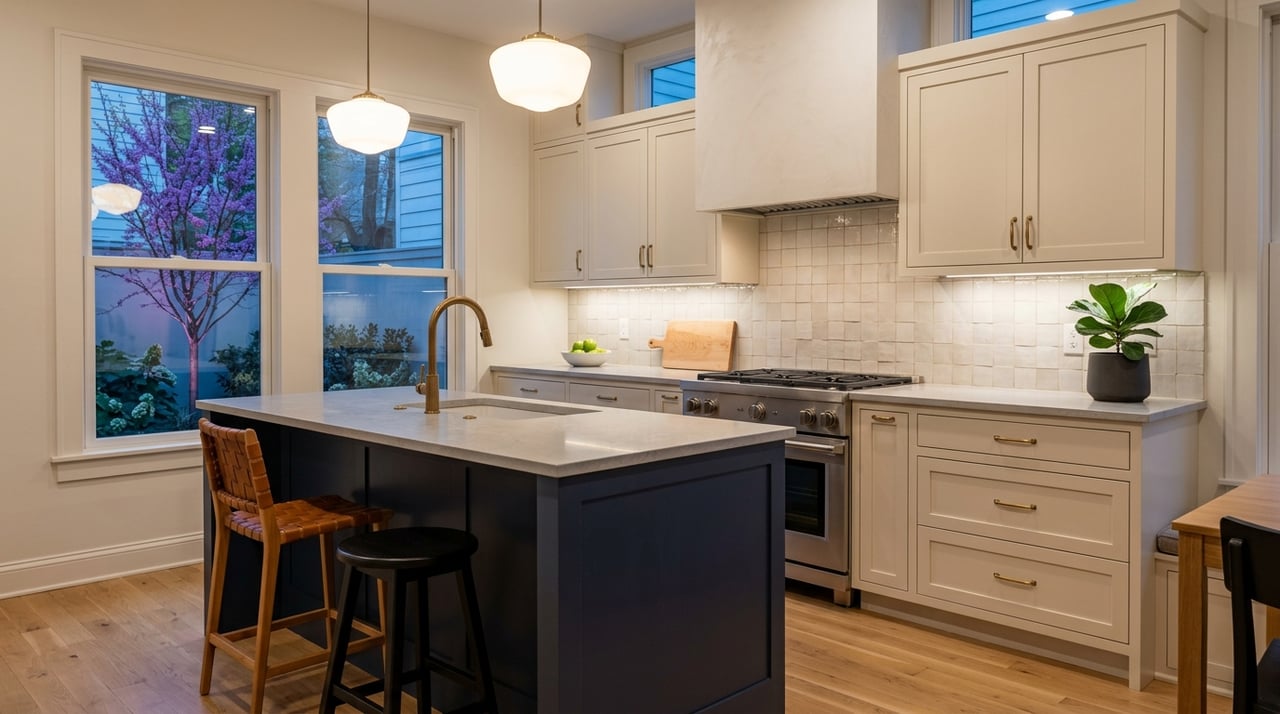
Because much of Prairie Village’s housing stock was built decades ago, room shapes and floor plans often need clarity more than reinvention. Mid-century ranches and split-levels usually benefit from staging that improves light, sightlines, and furniture scale. More traditional plans often benefit from clearly defining each room’s purpose, reducing visual clutter, and showing storage.
A smart lighter-touch staging plan
You may not need full staging to improve your presentation. A practical approach often includes:
- Deep cleaning throughout the home
- Removing excess furniture
- Editing personal items and visual clutter
- Brightening darker rooms
- Defining awkward spaces with a clear use
- Highlighting storage instead of overfilling it
- Correcting obvious cosmetic distractions
In many cases, clean, edited, and well-photographed wins over over-designed.
Price by pocket, not by headline
One of the biggest mistakes a Prairie Village seller can make is relying too heavily on broad citywide averages. Prairie Village includes different neighborhood types, lot sizes, and buyer expectations, and those differences can affect both value and market pace.
The city identifies Traditional Neighborhoods generally north of 83rd Street, Suburban Neighborhoods generally south of 83rd Street, and Village Neighborhoods near commercial centers. It also distinguishes between R-1A lots with a 10,000-square-foot minimum and R-1B lots with a 6,000-square-foot minimum, with R-1B concentrated more centrally near the Prairie Village Shops.
Those details matter because buyers notice them. Lot size, street feel, proximity to commercial areas, and neighborhood pattern all shape how a home is perceived against nearby alternatives.
Why like-for-like comps matter
Prairie Village also includes distinct pockets such as Prairie Fields, Indian Fields, and Corinth Downs, each with different housing patterns and ownership structures. For example, Corinth Downs has common-area ownership through its association, while other neighborhoods may differ more by lot size, age, and renovation level.
That means your best pricing benchmarks are usually the closest true comparables, not just anything with a similar bedroom count in Prairie Village. In a fast market, small differences in updates, yard usability, privacy, or street context can influence both price and days on market.
Build a sale plan that fits your home
The best listing strategy for Prairie Village is rarely one-size-fits-all. A renovated ranch on a larger lot may need a different prep and pricing plan than a split-level with deferred maintenance or a home near a commercial center with a smaller lot profile.
A thoughtful plan usually brings together four pieces:
- Preparation for visible condition issues and easy buyer objections
- Documentation for permits, repairs, and known history
- Presentation through decluttering, staging, and photography
- Pricing based on true neighborhood and property-level comparables
When those four pieces line up, you give your home the best chance to attract serious buyers quickly and negotiate from a stronger position.
Selling in Prairie Village can feel emotional, especially if you have owned your home for years and made meaningful updates along the way. But with local, pocket-level strategy and polished presentation, you can move into the next chapter with clarity. If you are thinking about selling and want guidance tailored to your street, lot, and home style, Livin KC can help you build a smart plan from prep through closing.
FAQs
What repairs matter most before selling a home in Prairie Village?
- The most impactful pre-list work is often visible, value-sensitive work such as exterior paint or siding, roof and gutter repairs, windows and doors, front-facing concrete, foundation repairs, and some energy-efficiency upgrades.
What permit records should Prairie Village home sellers gather before listing?
- It helps to gather permit records, final inspection approvals, contractor invoices, warranty information, and dates for major projects, especially for basement finishes, drainage-related work, additions, driveway expansions, or grading.
How should sellers stage an older Prairie Village home?
- In many Prairie Village homes, staging works best when it clarifies layout, improves light and sightlines, reduces clutter, defines each room’s purpose, and helps buyers understand storage and scale.
Why is pricing by neighborhood pocket important in Prairie Village?
- Prairie Village includes different neighborhood types, lot sizes, and housing patterns, so the best pricing strategy usually relies on the closest like-for-like comparable sales rather than broad citywide averages.
What disclosures should Prairie Village home sellers expect?
- Sellers should be prepared for disclosure of known adverse material facts, and many homes may also involve radon notice requirements and, for homes built before 1978, lead-based paint disclosures.