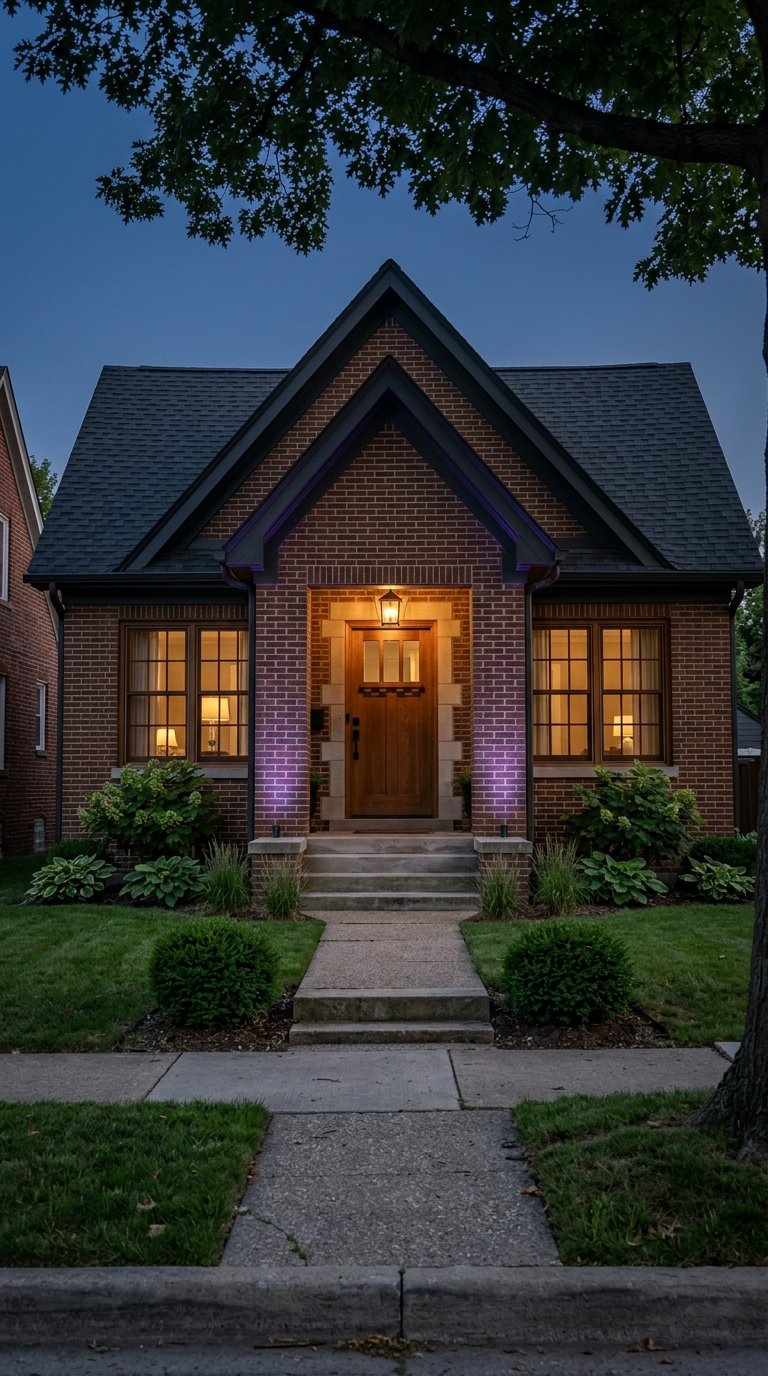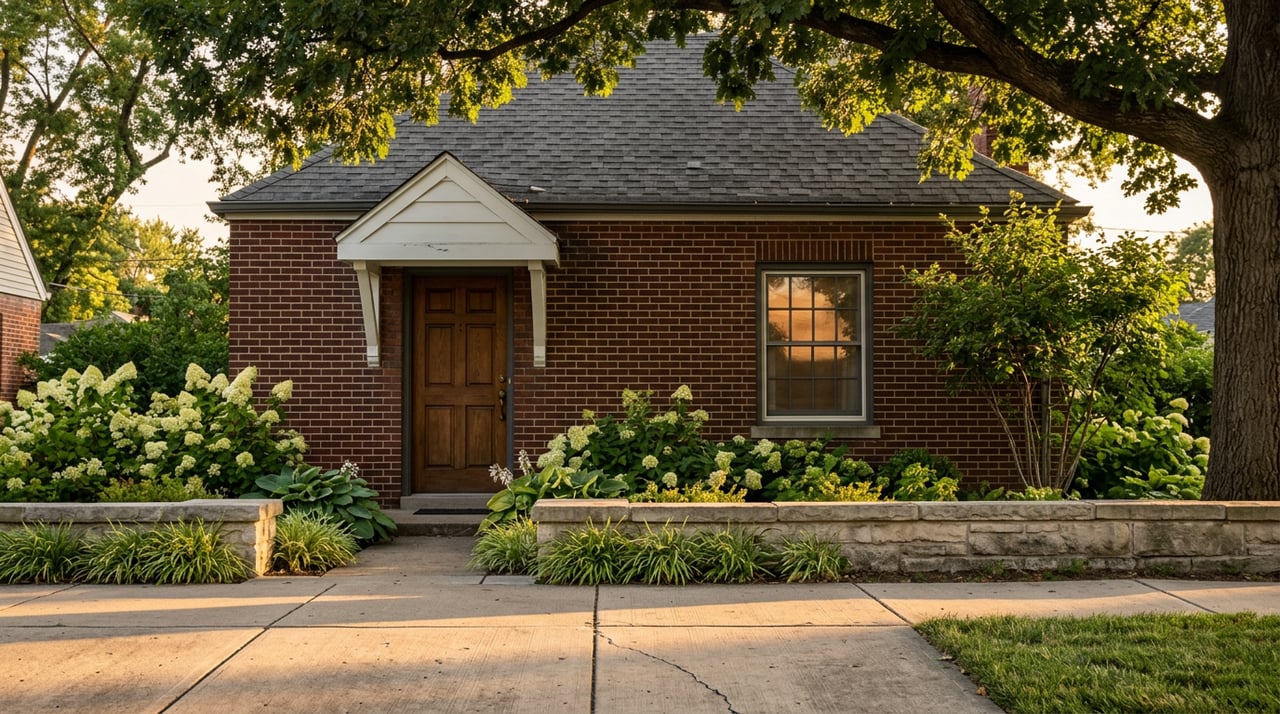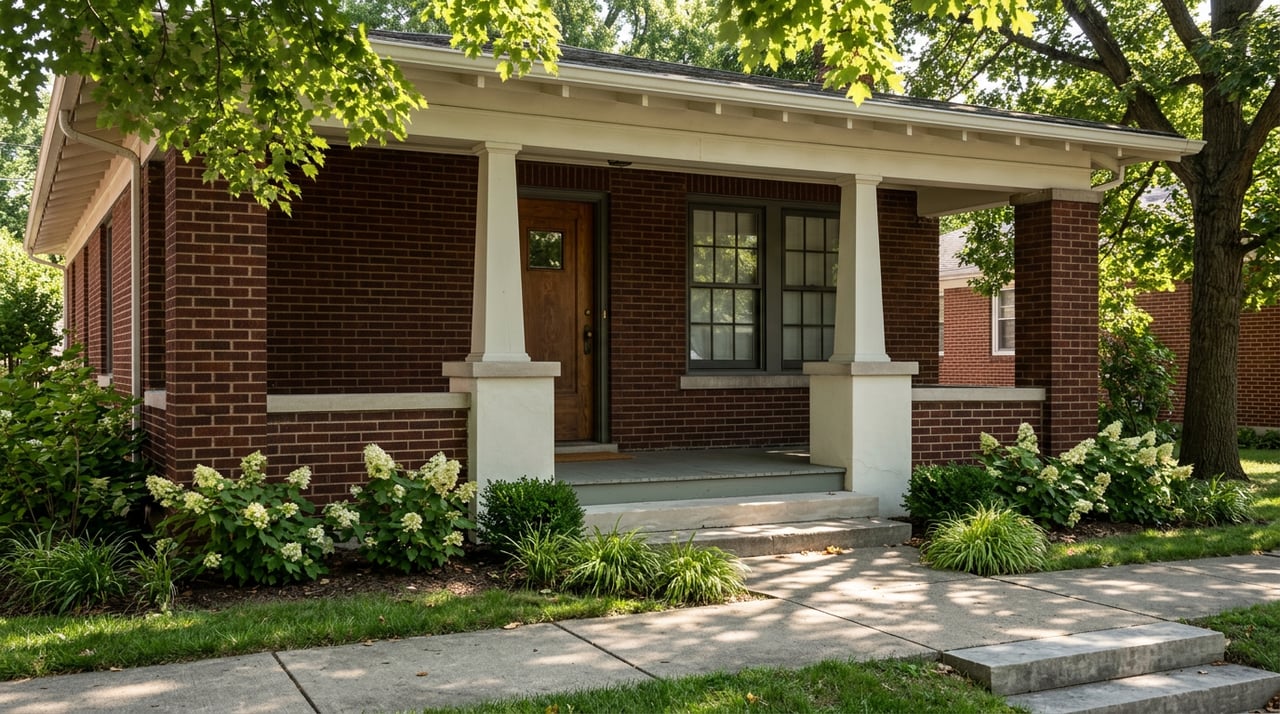

Thinking about buying or selling a home “as‑is” near the Kansas and Missouri state line? You are not alone. In Leawood and nearby Missouri suburbs, the wording in your contract and the expectations on each side of the line can shape price, timelines, and stress levels. In this guide, you will learn what “as‑is” really means, how Kansas and Missouri practices differ, and how to protect your interests from offer to close. Let’s dive in.
What “as‑is” really means
“As‑is” tells buyers the seller will not perform repairs or promise a specific condition beyond what is written in the contract. You can still inspect, appraise, and review title. The main shift is risk: more of the condition risk sits with the buyer, and repair negotiations are limited.
Important limits still apply. As‑is does not erase a seller’s duty to disclose known material defects. Fraud or intentional concealment can create liability in both states. Federal rules still apply, including lead‑based paint disclosures for homes built before 1978. If you are using a loan, your lender may require certain repairs for safety or habitability before funding.
In practice, many “as‑is” deals still include inspections. Buyers use the results to decide whether to proceed, request a credit, or cancel under a clear inspection contingency.
Kansas vs Missouri at the state line
Disclosure and forms
Kansas and Missouri both permit “as‑is” contracts, but the forms and disclosure rules are state specific. In the Kansas City metro, sellers commonly complete a property condition disclosure form. Whether a specific form is mandatory can depend on state law and the transaction type. Regardless of forms, sellers who know of material defects generally need to disclose them.
Key takeaway: Use the state‑specific contract and disclosure form for the property’s location. Cross‑state expectations and clauses differ, so you want the right language for your parcel.
Agent duties and local norms
Agents in both states must disclose material facts they know and cannot help conceal defects. Around Leawood and nearby Missouri suburbs, “as‑is” listings are common when there is deferred maintenance, estate sales, or investor and bank‑owned properties. In higher‑end suburbs like Leawood, buyers may resist homes that need major work unless the price reflects condition.
When “as‑is” shows up most
- Foreclosure and many REO sales
- Estate sales where the executor cannot complete repairs
- Properties with visible deferred maintenance
- Transfers with limited seller involvement
Buyer due diligence on “as‑is” homes
Inspections to prioritize
- General home inspection within the contingency period
- Pest or termite inspection, often required by lenders
- Specialty inspections based on age and signs: roof, foundation, HVAC, sewer scope, radon, or mold
- Title search and survey to uncover easements, encroachments, or liens
- HOA document review when applicable
- Municipal checks for permits, code issues, or floodplain status
Typical KC timelines
- Inspection period: commonly 7 to 14 days
- Repair response window after report: often 2 to 7 days
- Appraisal: usually within 2 to 3 weeks after underwriting begins
- Title commitment: often within 1 to 2 weeks of contract acceptance
- Closing: commonly 30 to 45 days, faster or slower based on financing and complexity
Financing and appraisal realities
Even with “as‑is,” lenders can require repairs prior to funding. Plan for this possibility. If repairs are needed, you can negotiate a credit, adjust price, or use an escrow holdback to complete specific items after closing under agreed terms.
Strategies to manage risk
For buyers
- Keep an inspection contingency with enough time to vet high‑cost systems
- Order specialty inspections when the age or condition suggests risk
- Request the seller’s disclosure and any repair invoices, permits, or past inspection reports
- Budget for repairs and get quotes before waiving or narrowing contingencies
- Include financing and appraisal contingencies so lender‑required repairs do not trap you
For sellers
- Provide a complete seller’s property condition disclosure form to reduce surprises
- Consider a pre‑listing inspection and share the report to support pricing
- Price for condition and offer limited credits rather than promising repairs
- Use clear “as‑is” contract language, while disclosing known issues
- Consider an escrow holdback or limited warranty for specific items to reassure buyers
Negotiation playbook
Smart moves for buyers
- Ask for closing credits rather than repairs to keep timelines cleaner
- Prioritize big‑ticket risks first: foundation, roof, HVAC, sewer
- Align your inspection and appraisal timelines with your lender’s pace
- Use conditional language that allows exit or renegotiation if lender‑required repairs are significant
Smart moves for sellers
- Attach an “as‑is” addendum that limits repairs to those agreed in writing
- Provide a recent inspection to lower walkaway risk
- Offer credits or targeted holdbacks for specific items
- Keep inspection periods short to reduce time off market and cancellation risk
Helpful clauses to consider
- As‑is clause that clarifies the seller will not perform repairs except as agreed
- Inspection contingency with a defined process and deadlines
- Financing and appraisal contingencies to address lender requirements
- Required federal disclosures for pre‑1978 homes
- Seller disclosure form attached as an exhibit
- Escrow holdback language for specific post‑closing repairs
- A schedule of known defects to avoid ambiguity
Key questions before you commit
Buyers: ask the seller or your agent
- Has the seller completed the state‑specific property disclosure, and can you review it before offering?
- Are there known defects, previous claims, or unpermitted work?
- Is there a pre‑listing inspection or any repair invoices, permits, or warranties to review?
- Is the property in a floodplain or under any municipal code issues or special assessments?
- What is the seller’s preference if issues come up: price reduction, credit, or escrow holdback?
- Will your lender accept the property’s current condition, or are repairs likely?
Sellers: ask your agent or counsel
- What disclosures are required by state law and local practice?
- Should you complete targeted repairs or get a pre‑listing inspection to net more?
- How should “as‑is” wording be presented to protect against claims of concealment?
- If buyers request help, what are typical costs for credits versus repairs in your price range?
- Are there HOA, permit, title, or survey issues to clear before listing?
Close smoothly and protect yourself
Escrow holdbacks can be a useful bridge when a lender requires a fix or a seasonal item cannot be completed before closing. Buyers should line up insurance early, especially if systems are older or unresolved issues exist. Both parties should document disclosures, inspections, and communications to reduce post‑closing disputes. If a defect surfaces later, the path forward can include negotiation, repair agreements, or legal remedies based on the facts and state law.
Ready to talk through an “as‑is” move in Leawood or across the line in Missouri? You get clear advice, local contract knowledge, and hands‑on help from contract to close. Reach out to Livin KC to map your best strategy today.
FAQs
What does “as‑is” mean in a home sale?
- It means the seller does not plan to make repairs, and the buyer accepts current condition unless the contract creates specific obligations.
Do sellers still have to disclose defects in Kansas and Missouri?
- Yes. As‑is does not remove the duty to disclose known material defects, and federal lead‑based paint rules still apply for pre‑1978 homes.
Can my lender require repairs on an “as‑is” purchase?
- Yes. Lenders may require safety or habitability fixes before funding, even if the seller lists the home as‑is.
How long is the inspection period in the KC area?
- It often ranges from 7 to 14 days, with a 2 to 7 day window to respond after receiving the inspection report.
When is “as‑is” most common near Leawood?
- You will often see it with estate sales, investor or bank‑owned properties, and homes with visible deferred maintenance.
What if issues appear after closing on an as‑is home?
- Outcomes depend on facts and state law; documented disclosures and inspections help, and remedies may involve negotiation or legal action for misrepresentation.