Wondering whether the KC Streetcar really changes what it feels like to live in Downtown Kansas City or the River Market? The short answer is yes, but maybe not in the all-or-nothing way people sometimes expect. If you are thinking about buying, selling, or simply comparing downtown lifestyles, understanding how the streetcar shapes daily routines can help you see these neighborhoods more clearly. Let’s dive in.
Why the KC Streetcar Matters
The KC Streetcar has become more than a visitor amenity. It now plays a real role in how people move through Downtown Kansas City, connect neighborhoods, and think about everyday convenience.
Official streetcar materials say the line runs from the Riverfront through Downtown to UMKC. The Riverfront Extension opens for passenger service on May 18, 2026, adding a 0.7-mile connection between 3rd Street and Grand Boulevard in the River Market and Berkley Riverfront. That matters because it expands the line from a downtown connector into a broader lifestyle corridor.
The system is also designed to be easy to use. Service is fare-free, trains arrive every 10 to 15 minutes during peak periods, and boarding is same-level and ADA accessible. Hours run from 5:00 a.m. to midnight Sunday through Thursday and 5:00 a.m. to 1:00 a.m. on Friday and Saturday.
What It Means for Daily Living
If you live near the line, the streetcar can make day-to-day movement simpler. Quick grocery runs, downtown work trips, coffee meetups, dinner plans, and event nights become easier to manage without needing to drive every time.
That said, Downtown Kansas City is still not a fully car-free environment. KC Streetcar notes that there are nearly 40,000 parking spaces around the downtown route, and local planning documents still describe downtown as car-centric in important ways, with bus, bike, and pedestrian networks that are still growing.
So the best way to think about the streetcar is this: it supports mixed-mode living. You may still own a car, but you may use it less often for short trips, weekend outings, or daily routines along the corridor.
Downtown Living Feels More Connected
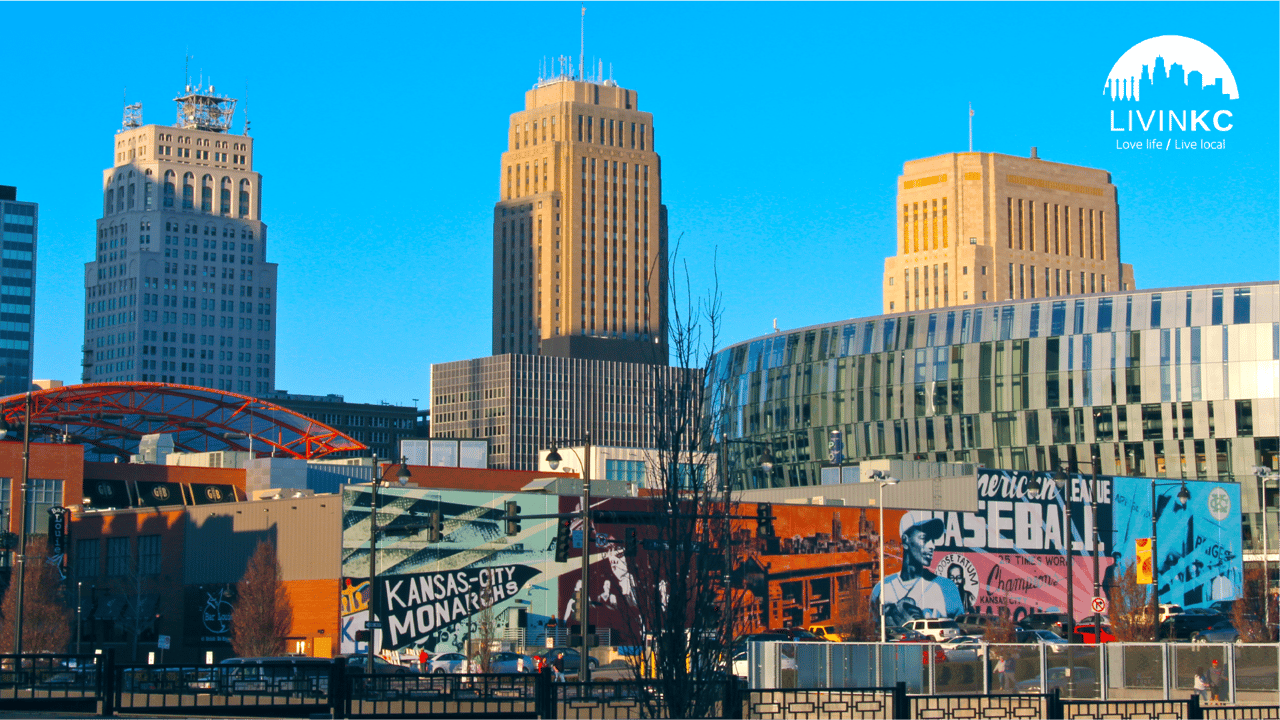
Downtown Kansas City is the region’s largest employment center and fastest-growing residential neighborhood, with more than 32,000 residents, according to Downtown Council. In a district with that many homes, jobs, and destinations close together, transit starts to shape lifestyle as much as commute patterns.
The city’s planning framework also treats the streetcar as part of a bigger goal for downtown. Downtown is intended to be more connected, walkable, bikeable, and transit-oriented, with future expansion and stronger east-west connections playing a role in that vision.
For you as a buyer or seller, that matters because transit access is no longer a side detail. It is part of how people evaluate convenience, neighborhood feel, and day-to-day livability.
River Market Living and the Streetcar
Daily errands get easier
River Market is one of the clearest examples of streetcar-supported living. The neighborhood sits north of 1st Street, west of Beardsley Road, south of Independence Avenue, and east of Oak Street, with City Market at its center.
City Market is built around everyday use, not just weekend browsing. Its official materials highlight restaurants, specialty grocers, produce stands, shops, and services open daily throughout the year, with the farmers market on Saturdays and Sundays.
That mix can make a big difference in how your week feels. If you live nearby, you can picture a routine where groceries, casual dining, specialty ingredients, and local shopping are all close at hand, with the streetcar connecting you south into the downtown core.
The neighborhood has its own identity
River Market is not just convenient. It also has a strong neighborhood identity shaped by local businesses, events, and an active community presence.
Just east of the market core, Columbus Park adds another layer to the area. The KC Streetcar entertainment guide describes it as a quaint residential area with Italian and Vietnamese influences, which helps explain why the River Market side of downtown can feel more layered and residential than many people expect.
Downtown Core Living Along the Line
The most urban stretch of the route
The North Loop, Library, Metro Center, and Power & Light segment is the most central and event-focused part of the corridor. Downtown Council highlights this area as home to the convention center, major hotels, the central branch of the public library, KC Live! Block, Midland Theatre, and T-Mobile Center.
If you want the most immediate version of downtown life, this is where the streetcar has a strong effect. It becomes easier to move between home, work, restaurants, and entertainment without the friction of parking at every stop.
Events become part of your routine
Living near this stretch can change how often you say yes to downtown plans. Arena events, theater nights, happy hours, and quick meetups feel more spontaneous when the trip is simple and predictable.
That does not mean every block feels the same. One of the strengths of the corridor is that it connects several distinct districts rather than creating one single downtown experience.
Crossroads, Union Hill, Westport, and Plaza Access
Your lifestyle radius gets bigger
The streetcar line connects downtown residents to a wider set of destinations that appeal to different routines and interests. The entertainment guide describes Crossroads as a district of galleries, local shops, First Fridays, breweries, distilleries, cocktail bars, live music, and dining.
Farther along the corridor, Union Hill offers patios, dining, dive bars, and local retailers. Westport is described as Kansas City’s original entertainment district, while the Plaza stands out for shopping, dining, fountains, and Spanish-inspired architecture.
For someone living in River Market or Downtown, that means your lifestyle is not limited to your immediate blocks. The streetcar broadens your access to arts, dining, nightlife, and shopping in a way that makes the urban core feel more connected.
This helps buyers picture everyday use
For many buyers, the appeal is not just the ride itself. It is the ability to picture a Saturday that starts with coffee and market shopping, moves into an afternoon gallery stop, and ends with dinner or a show, all without constantly moving the car.
That small-radius flexibility is one of the strongest advantages of living along the line. It turns separate destinations into a more unified daily experience.
Riverfront and Berkley Riverfront Growth
The north end is evolving
The Riverfront Extension adds a new dimension to the system. Streetcar materials describe Berkley Riverfront as a riverfront-trail gateway with CPKC Stadium, green space, and lodging and entertainment options that are still emerging.
This makes the north end of the route feel different from the market core or downtown center. It introduces more recreation-focused access and strengthens the connection between urban living and outdoor space.
Multimodal access is improving
KC Streetcar also notes that the city is working on the Grand Boulevard bike and pedestrian bridge to create a safer and more continuous connection between River Market and Berkley Riverfront. Along with the Riverfront Heritage Trail, that supports a more multimodal lifestyle at the edge of downtown.
If you are drawn to a mix of skyline access, trails, and newer development patterns, this part of the corridor is worth watching closely.
What This Means for Buyers and Sellers
For buyers
If you are shopping for a condo, loft, or downtown home, the streetcar can help you compare neighborhoods based on how you actually want to live. River Market may fit you best if daily errands and easy market access matter most. The downtown core may fit better if you want immediate proximity to offices, events, and the city’s busiest activity centers.
If arts, dining, and nightlife shape your routine, access to Crossroads and nearby districts may matter just as much as your exact building address. The line helps tie those preferences together in a practical way.
For sellers
If you own near the route, the streetcar is part of your home’s lifestyle story. Buyers often respond to convenience, neighborhood access, and the ability to enjoy more of downtown without planning every trip around parking.
That does not mean every property near the line should be marketed the same way. The strongest presentation connects your specific location to the nearby routines it supports, whether that is market errands, event access, restaurant options, or riverfront recreation.
The Big Picture for Downtown Kansas City
The KC Streetcar helps turn Downtown and River Market into a more connected lifestyle market. Instead of thinking about each district as isolated, you can think about them as linked pieces of one larger urban routine.
In practical terms, that means market errands in River Market, work and events in the downtown core, arts and nightlife in Crossroads, and recreation at Berkley Riverfront all feel more accessible from one home base. That is a meaningful shift for people deciding where to live and for owners thinking about how to position a property in today’s market.
If you are weighing a move in Downtown Kansas City or the River Market, local context matters. The block, building, and nearest stop can all shape your experience in ways that broad citywide descriptions often miss. When you want neighborhood-level guidance, Livin KC can help you make sense of the options.
FAQs
How does the KC Streetcar affect Downtown Kansas City living?
- The KC Streetcar makes it easier to move between Downtown, River Market, Crossroads, and other connected districts for errands, work trips, dining, and events, especially with fare-free service and frequent peak arrivals.
What is it like to live near the KC Streetcar in River Market?
- Living near the KC Streetcar in River Market can support a car-light routine because City Market offers daily shopping, dining, specialty grocers, and weekend farmers market access close to the line.
Does the KC Streetcar make Downtown Kansas City car-free?
- No. Downtown Kansas City still has a strong car presence, and local planning documents note that bus, bike, and pedestrian networks are still developing, so the streetcar supports mixed-mode living more than fully car-free living.
What neighborhoods does the KC Streetcar connect for downtown residents?
- The KC Streetcar corridor connects Riverfront, River Market, Downtown, Crossroads, Union Station, Union Hill, Westport, Southmoreland, Plaza, and UMKC-area destinations.
Why does the KC Streetcar matter when buying a condo in Downtown Kansas City?
- The streetcar matters because it can change how convenient a location feels day to day, helping you compare homes based on access to errands, work, entertainment, and recreation along the route.