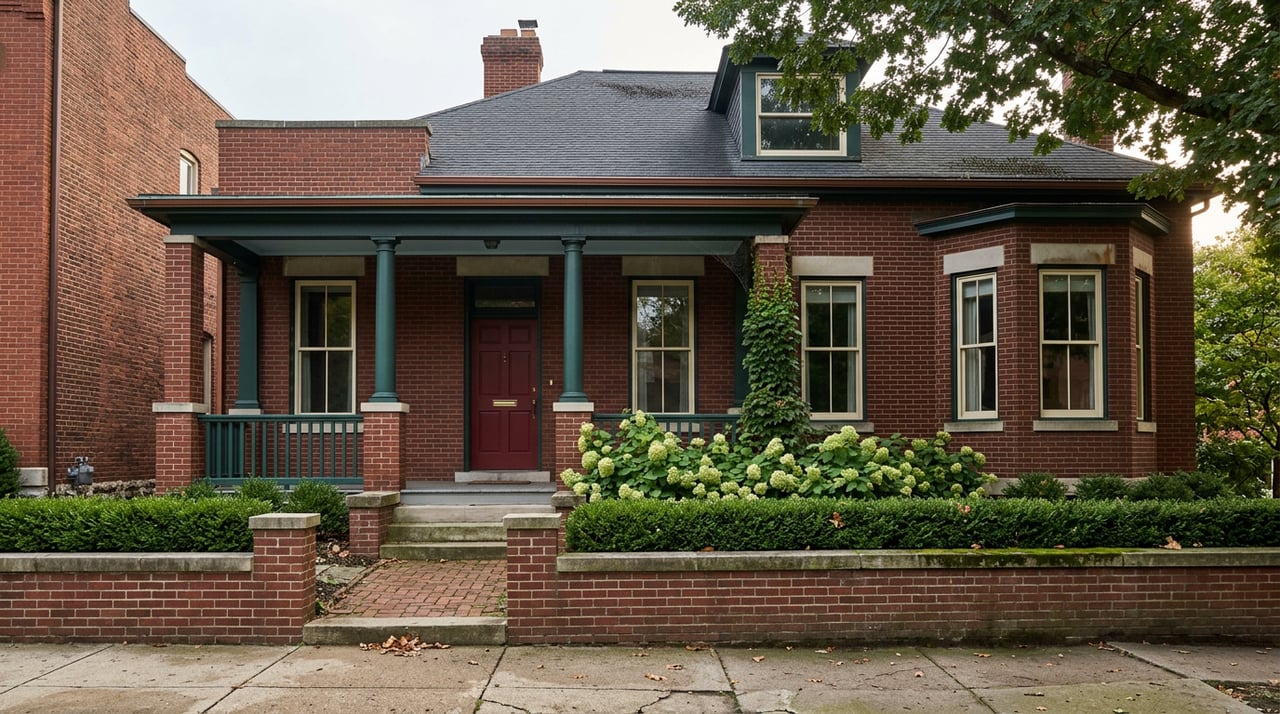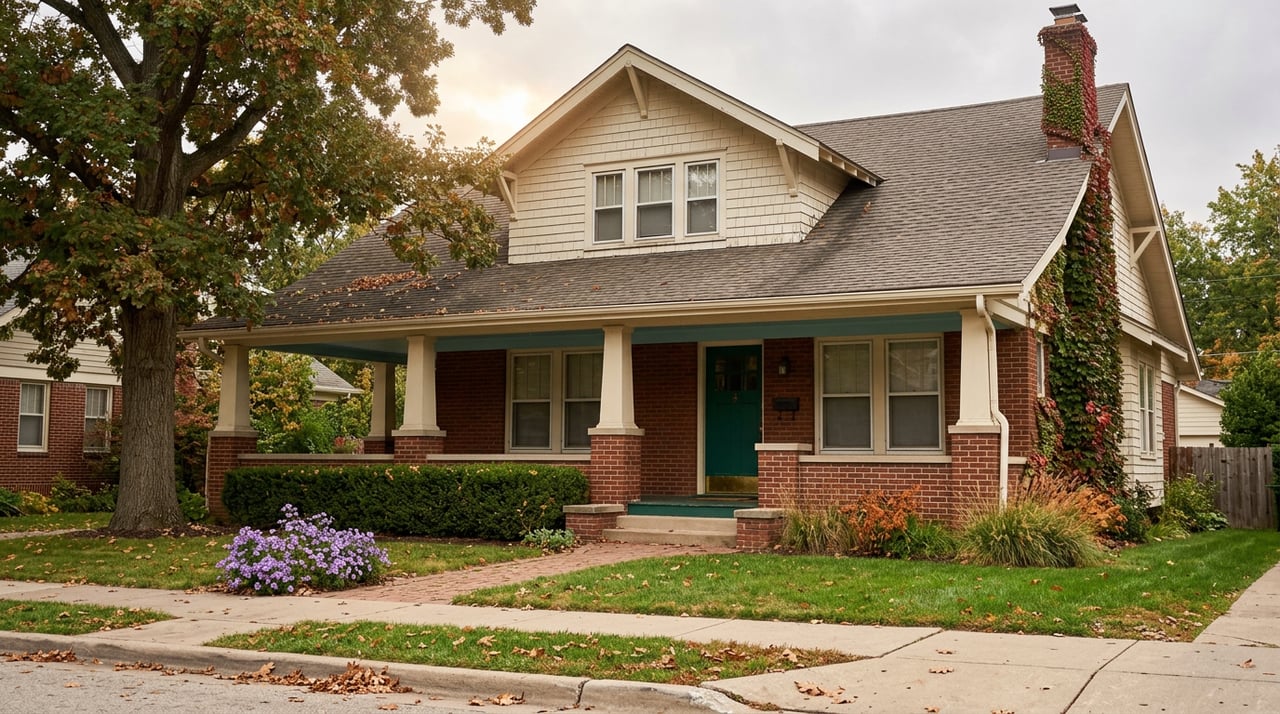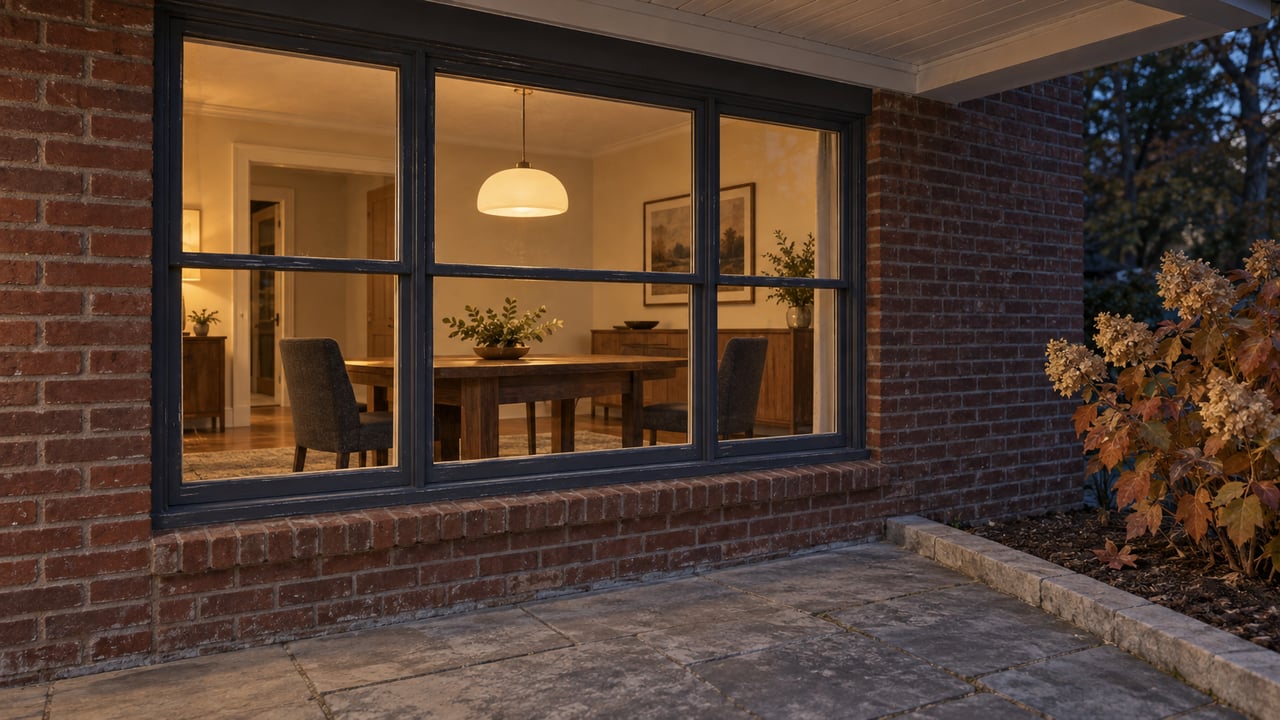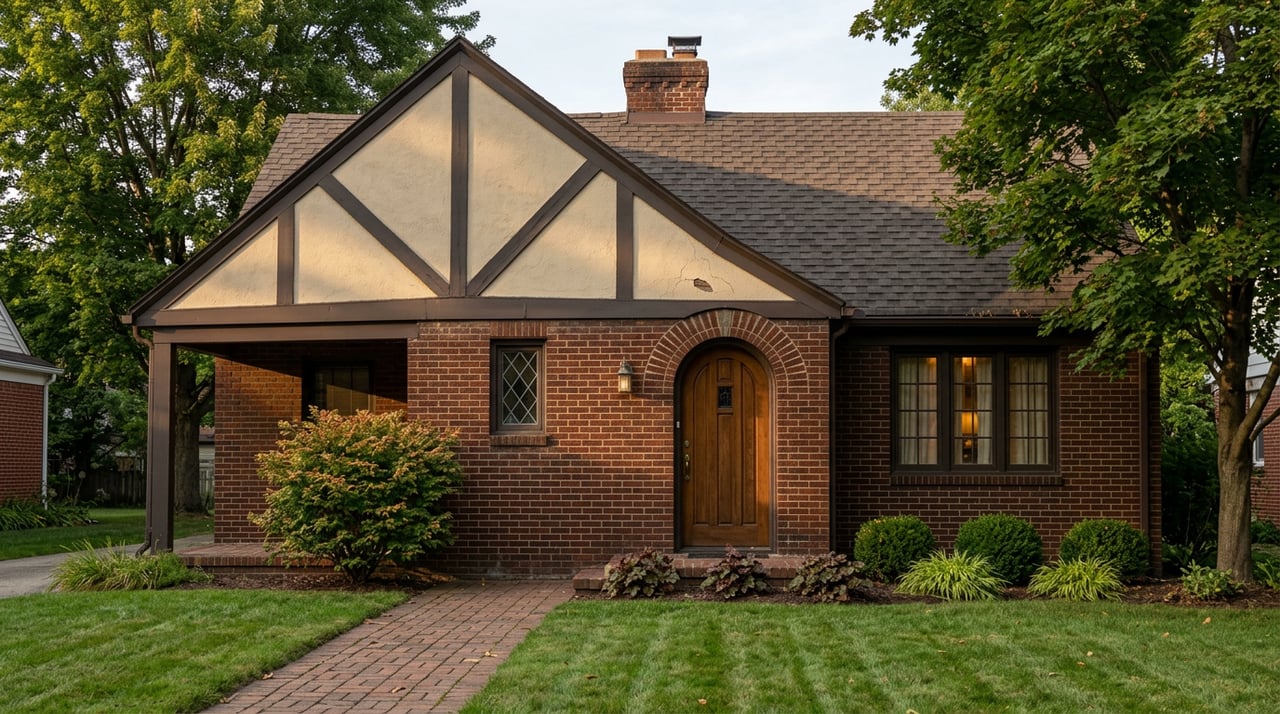

If you check the City of Mission Hills website this week, the entire homepage boils down to two lines: registration is open for the annual Diner à Verona, scheduled for September 19 at 6 p.m., and residents are asked to bring their own dinner party to the Verona Columns. That is the extent of the announcement. No menu, no vendor list, no ticket tiers. You bring your own table, your own food, your own chairs, and you set up in the middle of an intersection that has no address, because the intersection itself is the landmark.
That single sentence tells you more about how this city actually works than any listing description ever will. Mission Hills has no downtown. It has no coffee shop, no corner grocery, no bar you can walk to. That absence isn't an oversight. It's the design, and it shapes how residents fill a Friday night far more than the acreage of any given lot.
A Residential Zoning Choice
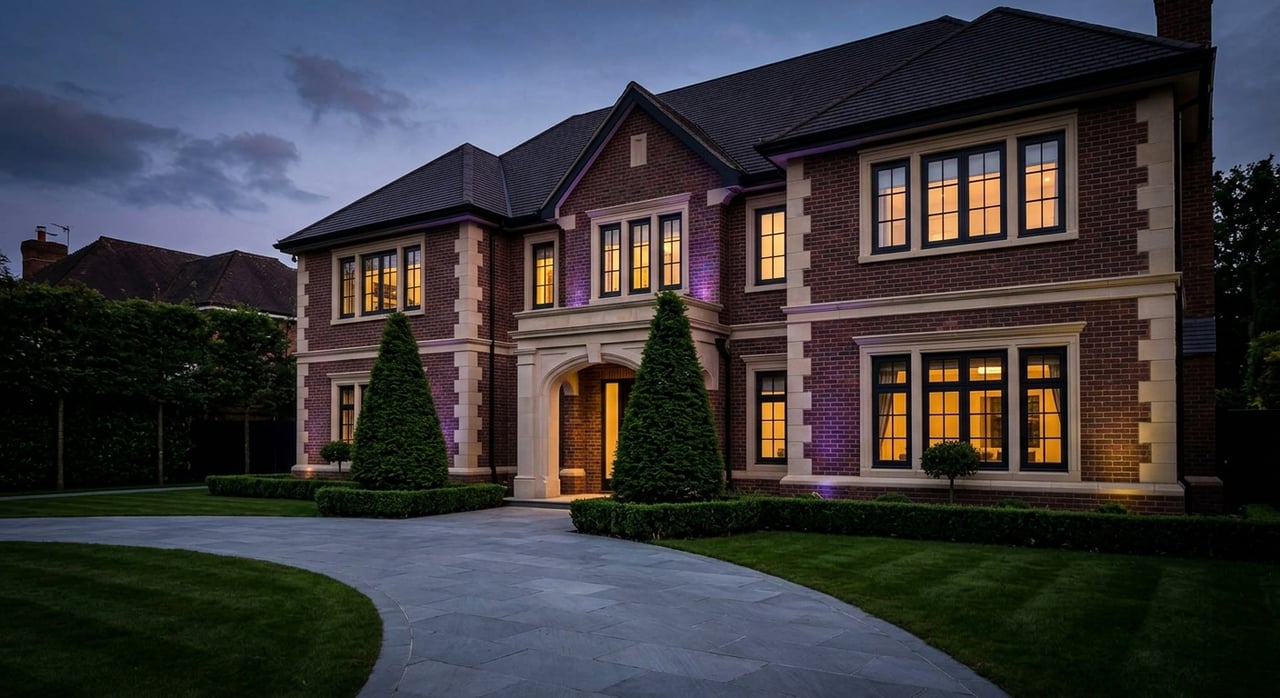
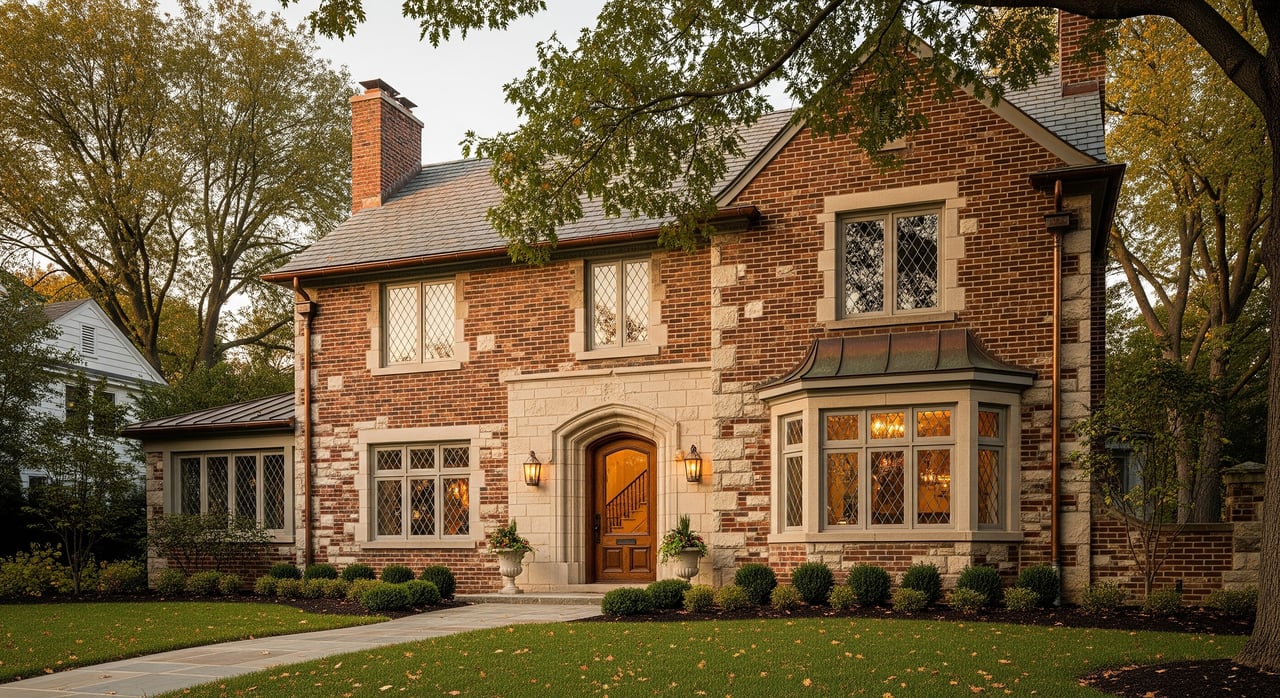
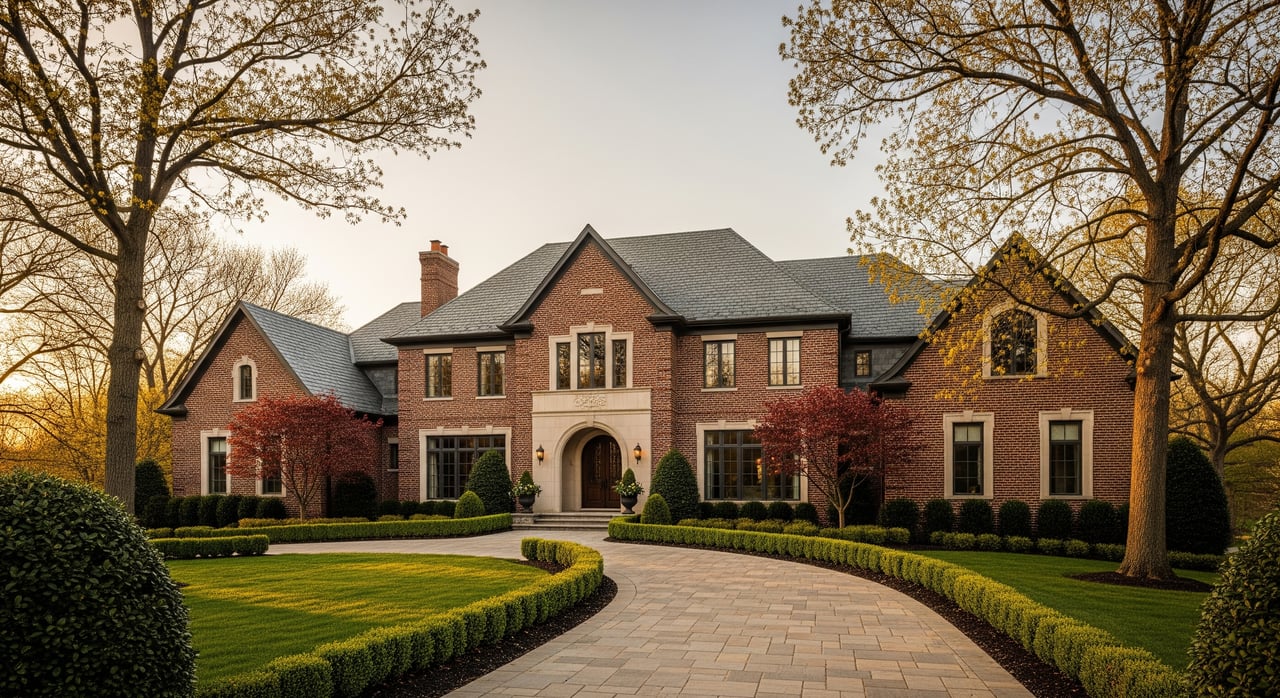
Mission Hills covers about 2.02 square miles and counted 3,594 residents as of the 2020 census. J.C. Nichols platted the community starting in 1914 as the Kansas extension of his Country Club District, and the plan never included a retail strip. There is no zoning category here for a bistro or a bakery. Every acre inside the city limits is residential, which means the things that anchor most neighborhoods, a diner on the corner, a bar with regulars, a bookstore you duck into on a Tuesday, simply don't exist within the boundary.
That zoning has real consequences. In a city built entirely on quiet residential streets, the question of where the community actually gathers has to be answered by something other than commerce. Mission Hills answers it with two things: a single ornamental intersection, and a shopping center that technically belongs to the town next door.
The Verona Columns As A Gathering Place
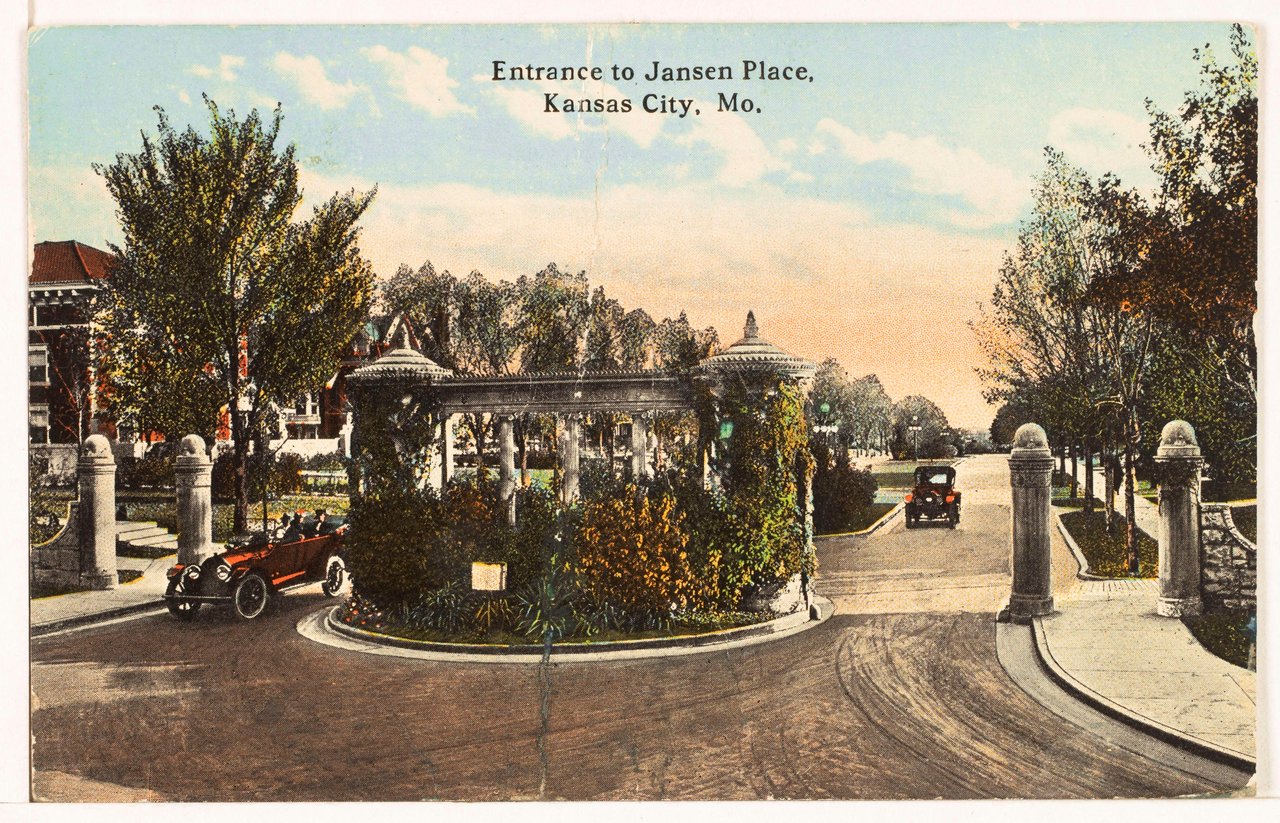
The Verona Columns sit at the meeting point of Ensley Lane, Overhill Road, and Mission Drive. They're 12 feet tall, carved from pinkish Verona marble, completed in 1925, and important enough to the city's self-image that they appear on the official seal. For most of the year they're just a striking piece of infrastructure drivers pass on the way home.
At events throughout the year, the city turns them into something else. The Verona Columns Concert is one of the two events the city's own description names as central to community life here, alongside the annual Street Fair. Diner à Verona is another annual event, and it is deliberately unstaffed. The city doesn't cater it, doesn't program it beyond opening registration and picking the date. Residents supply the folding tables, the coolers, the candles. What the city provides is permission and a landmark. Everything else is assembled by the people who live here, for one evening, and then packed back into garages until next September.
One distinctive communal ritual in Mission Hills isn't a gala or a fundraiser. It's a picnic at a traffic island.
The Landscape That Fills The Rest Of The Week
Between civic events, the texture of daily life runs through infrastructure rather than storefronts. Brush Creek cuts through the northern half of the city, and one of its crossings is a literal ford, a place where the road simply dips into the water instead of routing around it with a bridge. Nearby, a water garden holds still long enough that residents describe watching a heron work the shallows. Indian Village Park and a scattering of pocket parks and traffic island gardens do the job that a town square would do elsewhere: they're where people walk dogs, push strollers, and run into neighbors without needing a reason to be out.
None of this replaces a commercial district. It coexists with the absence of one. The winding, curb-cut streets that Nichols and landscape architects Hare & Hare laid out a century ago were built for exactly this kind of walking, not for foot traffic to a shop.
Dinner Happens Somewhere Else
Which raises the obvious question: where do residents actually go when they want a meal they didn't cook? The answer, most nights, is Corinth Square, a shopping center that sits just over the line in Prairie Village at 83rd Street and Mission Road.
This past June, that answer got more interesting. The Johnson County Post reported that Casa Ama opened in the space that had been Salty Iguana for more than 30 years before its 2025 closure. The new restaurant is run by Robin Krause, the same owner behind Billie's Grocery, and by her own account the opening was something of a homecoming: she's a Prairie Village native who went to Shawnee Mission East, just up the road. Casa Ama now sits near two other Corinth Square regulars, Va Bene Italian Eatery and SPIN! Pizza, in a strip that also includes Meddys, the Mediterranean spot a few doors down that draws lines on weekend afternoons.
For a Mission Hills resident, none of that is a special occasion. It's the closest place to get dinner that isn't your own kitchen, and it happens to sit in a different municipality. The walk or short drive from a Mission Hills front door to a Corinth Square table crosses a city line every single time, a quiet consequence of a zoning map drawn more than a century ago.
What This Says About Living Here
Put those two facts next to each other and the pattern gets clearer. The annual Diner à Verona is a communal, city-sanctioned social event staged at a landmark instead of a business, assembled by residents rather than a caterer. Every other night, the actual mechanics of eating out, running into people, killing an evening, happen a few blocks away in someone else's downtown.
That's not a complaint about the neighborhood. It's the tradeoff the original plan made on purpose: privacy and quiet inside the boundary, in exchange for depending on a next-door business district for the rest. Anyone who has lived here for a while already knows this instinctively. What's easy to miss is how deliberately it's built into the map itself, not just the culture.
If you're weighing whether that tradeoff still makes sense for your household, or you're simply curious what a home in this kind of market looks like right now, the team at LIVIN KC spends its time in exactly these details, the ones that don't show up on a listing sheet. Reach out when you're ready to talk through what your Mission Hills property is actually worth in today's market.
This article is general information, not legal, tax or financial advice. Consult a qualified professional about your situation.